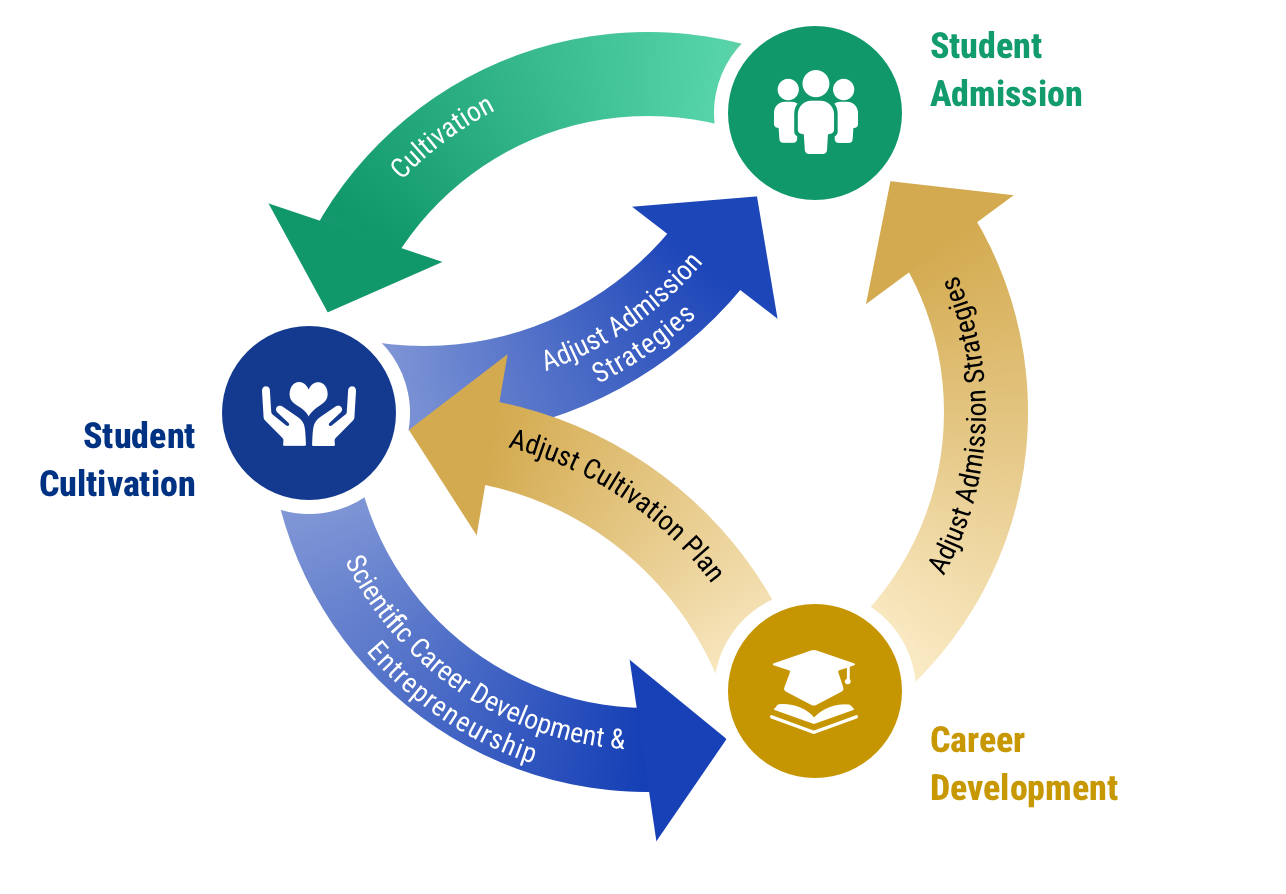
The Red Bird MPhil (RBM) Program upholds a student-centered educational philosophy, adopting a group-based, project-driven learning model that emphasizes cross-disciplinary integration to address complex real-world problems. By taking projects as the primary learning vehicle, the program enables students to enhance both their knowledge structure and transferable capabilities through problem-solving practice, cultivating future leaders capable of navigating the AI era and beyond.

Objective of
Talents Cultivation
Knowledge Structure
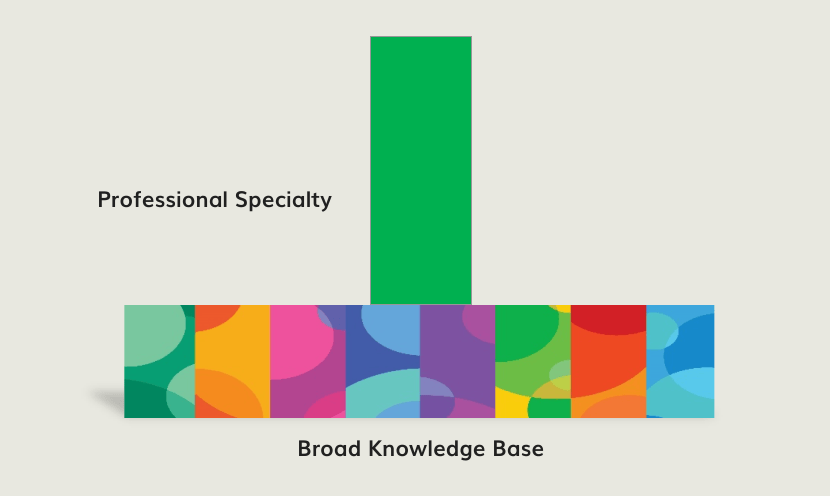
RBM Project-based Teaching &
Learning Pedagogy
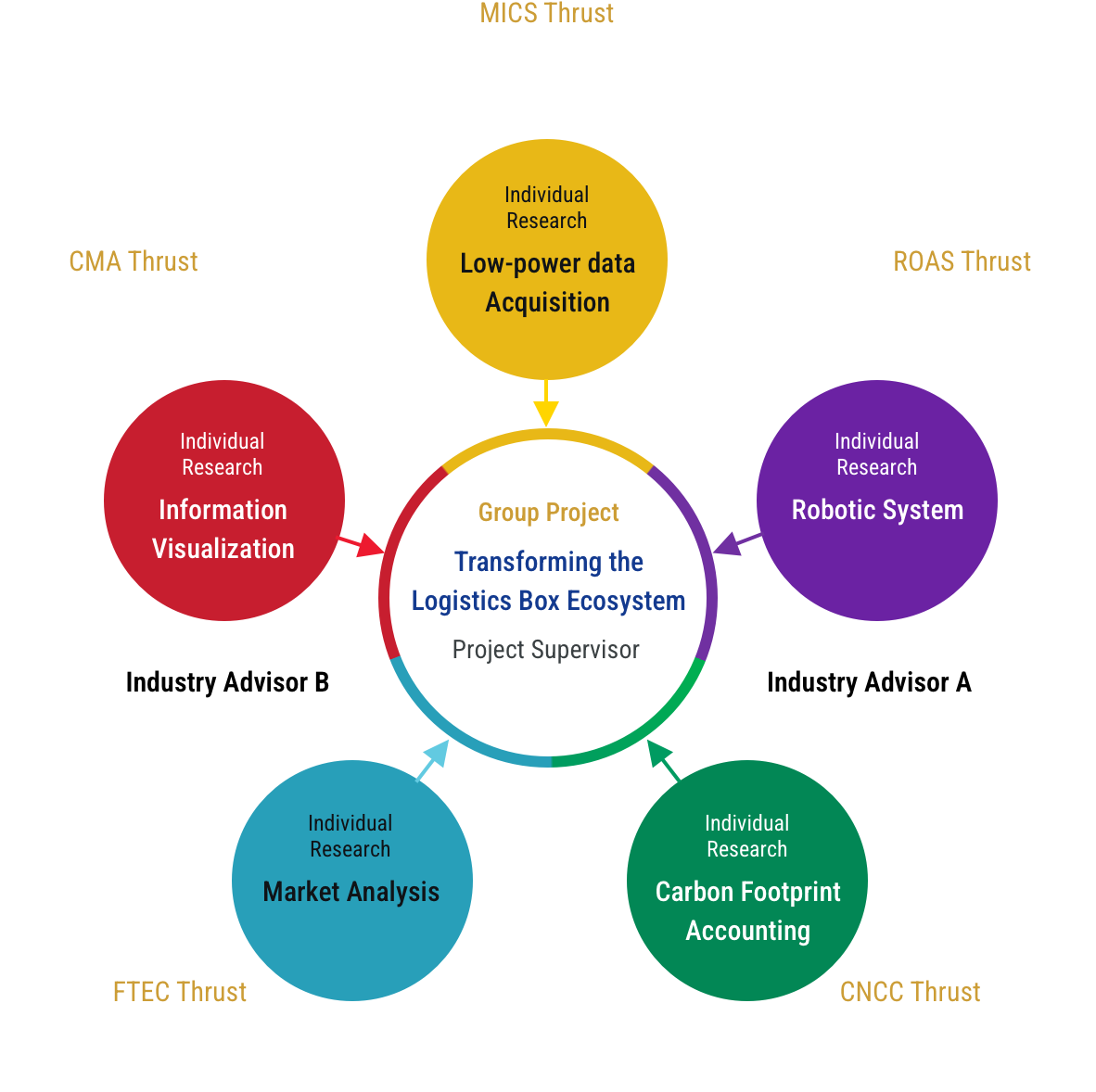
RED BIRD MPHIL STUDY PATHWAY
The Red Bird MPhil (RBM) Program is built upon a student-centered and capability-oriented philosophy, establishing an integrated system that connects admission, cultivation, and career development. The program admits students with strong research potential and interdisciplinary interests, valuing ability and passion over background or institutional prestige. During the first six months, students are not assigned to any specific thrust and are encouraged to freely explore different fields and methodologies. They then enter a thrust to pursue transdisciplinary projects under faculty supervision. Coursework runs in parallel with project work, fostering research skills, systems thinking, and innovation capability. RBM program also provides comprehensive career support and industry connections, and through initiatives such as the Bridge program, helps students expand into diverse career pathways in research, industry, and entrepreneurship.