
PILLAR PROJECT
Embodied Intelligence for Real-World Service and Production
Background & Significance
Embodied AI is moving rapidly from laboratory demonstrations toward real-world deployment.
Advances in humanoid robots, multimodal AI, sensing, control, and low-cost robotic platforms are enabling intelligent systems to perceive, reason, interact, and act in physical environments. The key challenge is increasingly shifting from “Can a robot perform an action?” to:
“Can a robotic system operate reliably, continuously, safely, and economically in the real world?”
This project explores this challenge through real service and production environments, including campus and community services, industrial production, and challenging environments such as mines and tunnels. For students, the project provides an opportunity to work with real robotic platforms, explore open-ended interdisciplinary problems, and move from ideas to physical prototypes and real-world validation.
Core Problem & Application Directions
Central Question
How can we design, build, and deploy affordable, reliable, and human-centered embodied AI Intelligence for real-world living and production environments?
Direction 1 — Autonomous Service & Inspection
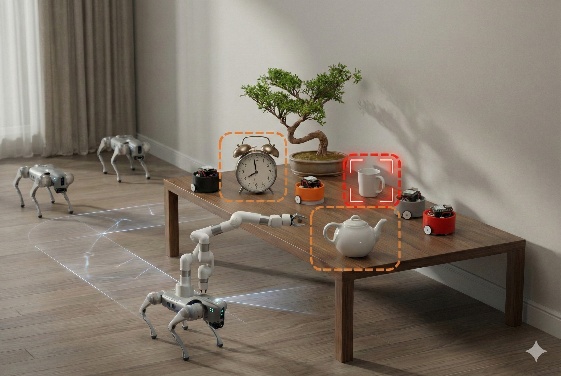
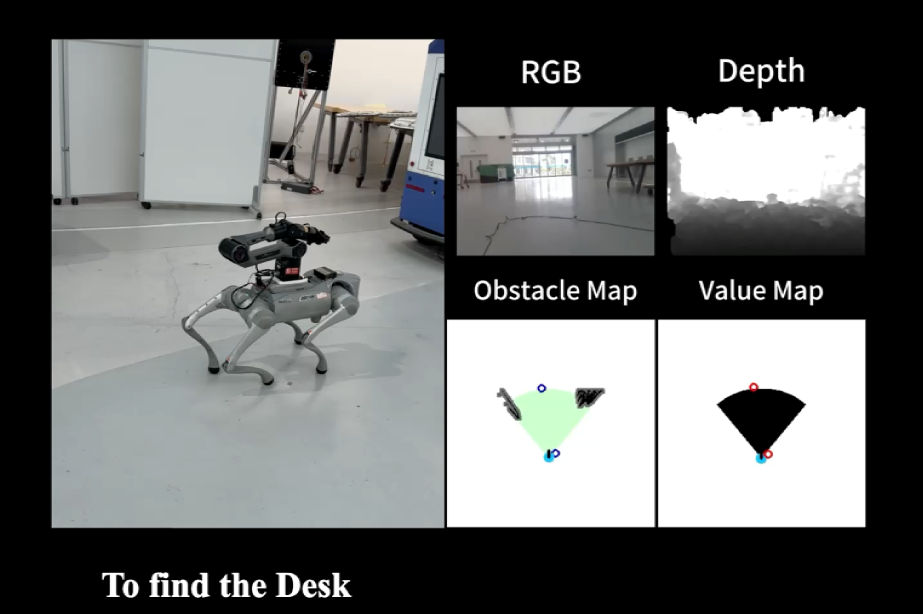
Imagine a robot that can patrol the campus, deliver items, provide information, or respond to abnormal events — not just once in a demo, but reliably every day. Real environments are dynamic: people move, routes change, unexpected events happen, sensors may fail, and hardware wears over time. We can start from a concrete campus or community task and explore how AI, robotics, interaction, hardware, and system reliability must work together to make embodied systems useful in the real world. The same ideas can later be extended to more challenging environments such as mines, tunnels, and hazardous inspection areas.
Example Applications
- Patrol & Inspection
- Delivery
- Information Service
- Human-Robot Interaction
- Safety Monitoring
Direction 2 — Embodied Intelligence for Industrial Production
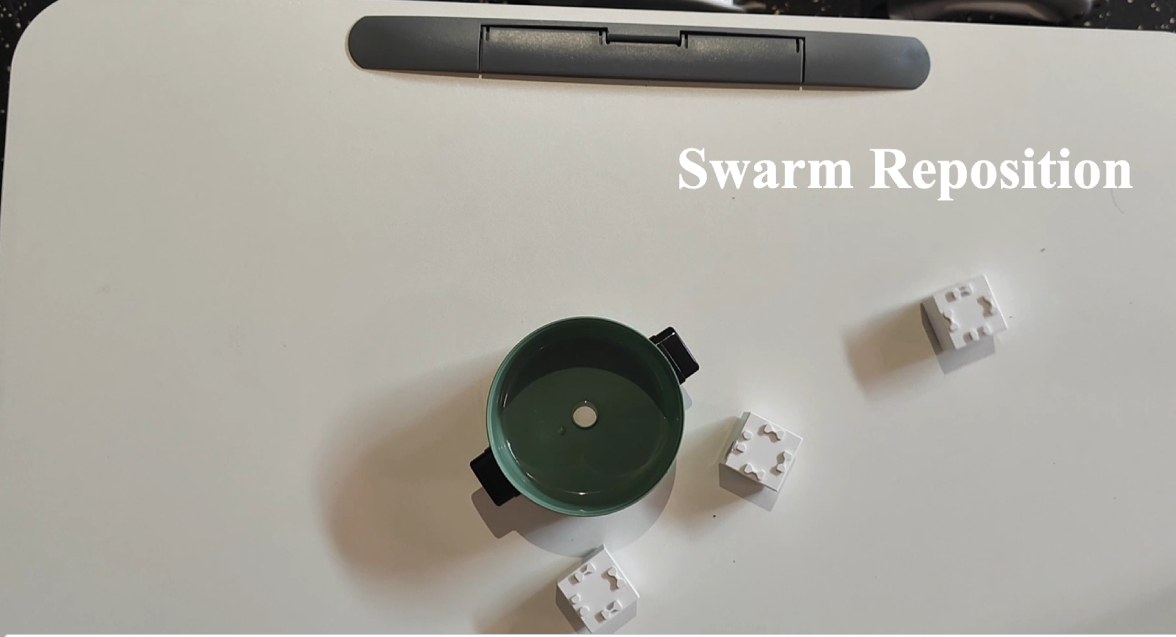
Factories already use large numbers of robots, but many seemingly simple tasks remain difficult when objects vary, physical contact matters, or unexpected failures occur. Inserting a connector, handling flexible components, or recovering from a failed grasp requires much more than repeating a programmed motion. We can choose a real production task and investigate what perception, reasoning, control, physical interaction, and system design are needed for a robot to complete the whole task robustly under uncertainty.
Example Applications
- Material Handling
- Connector Insertion
- Fine Manipulation
- Flexible Assembly
- Industrial Inspection
- Failure Handling
Existing Resources & Works
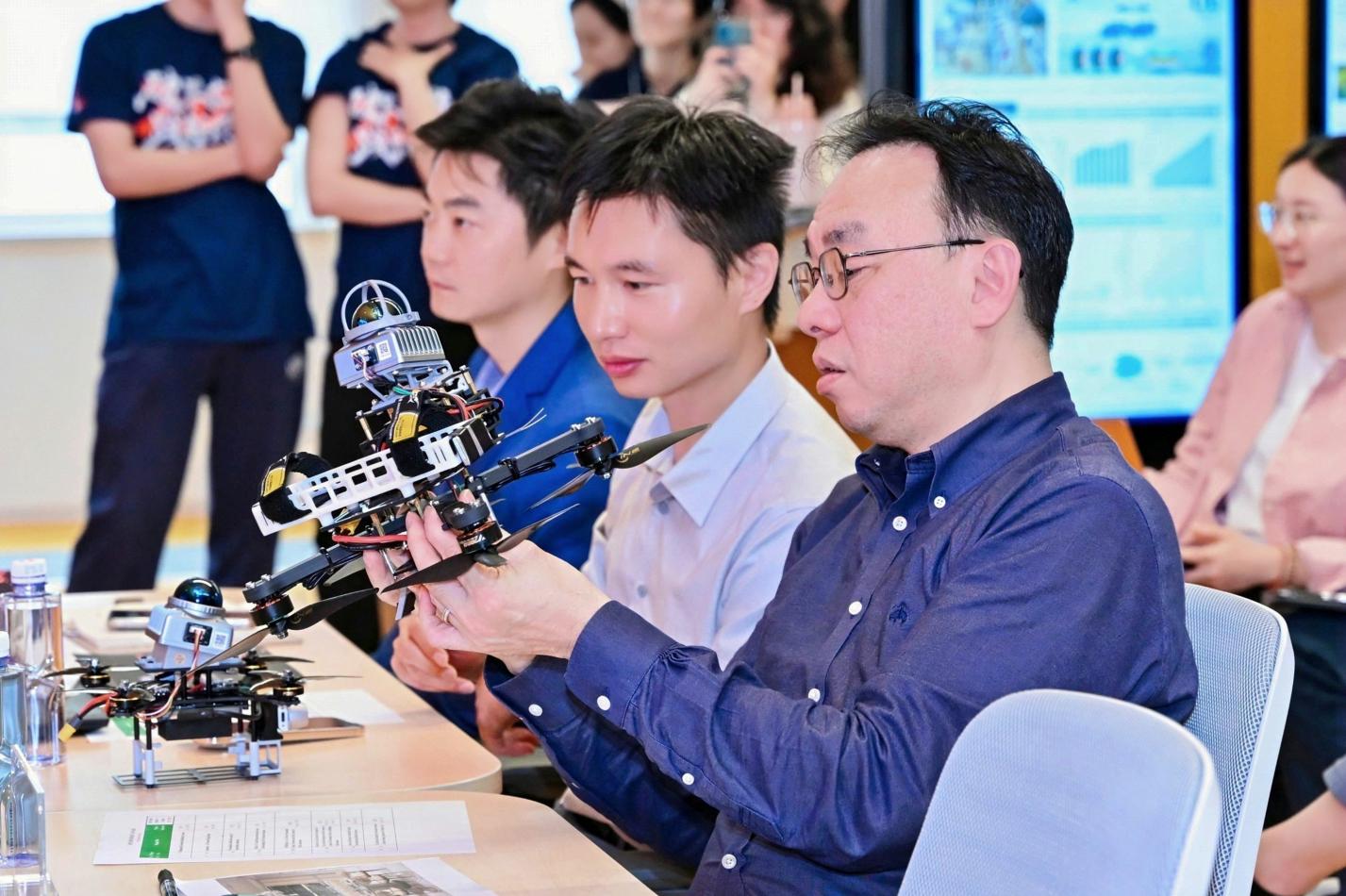
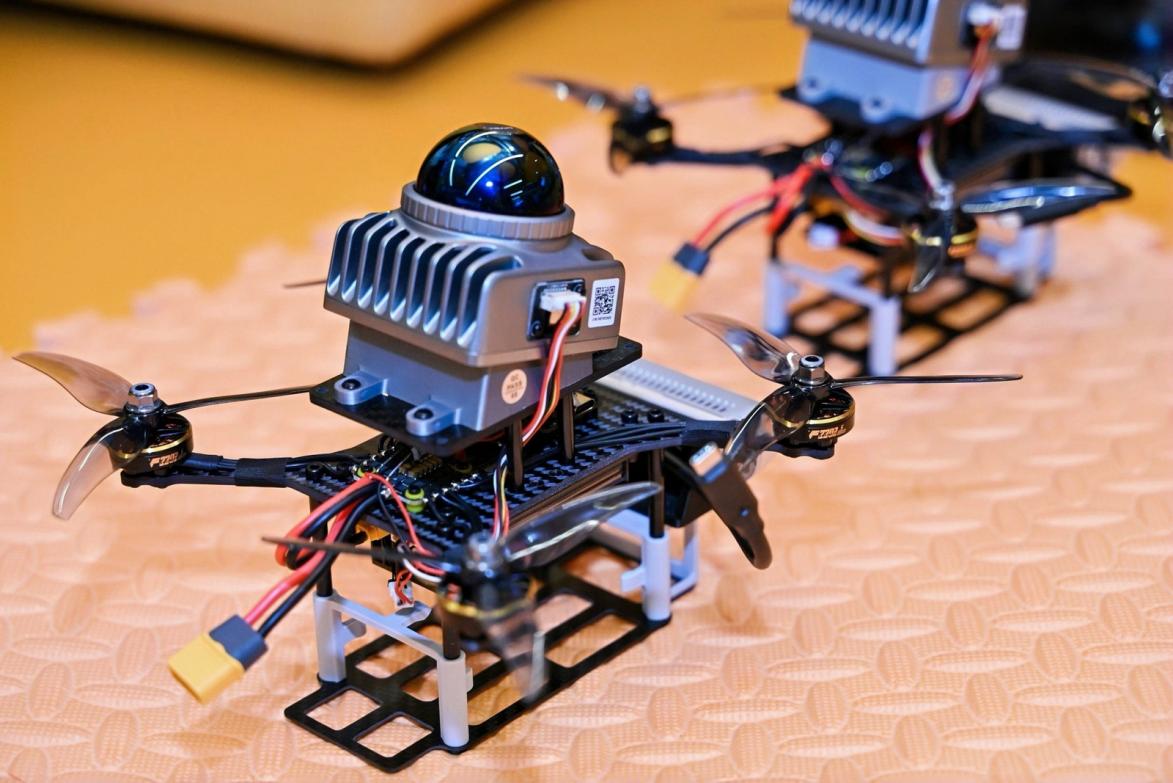
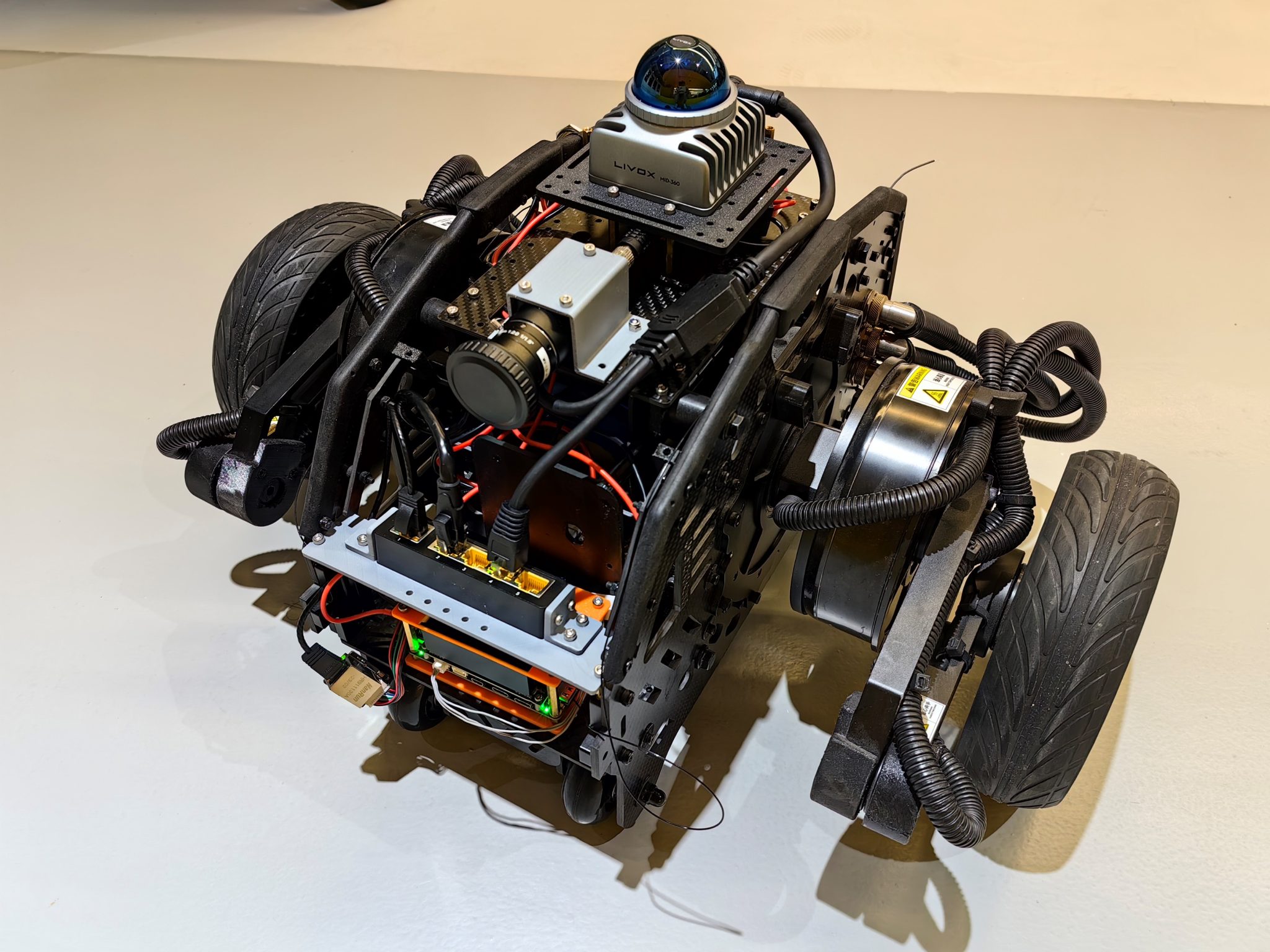
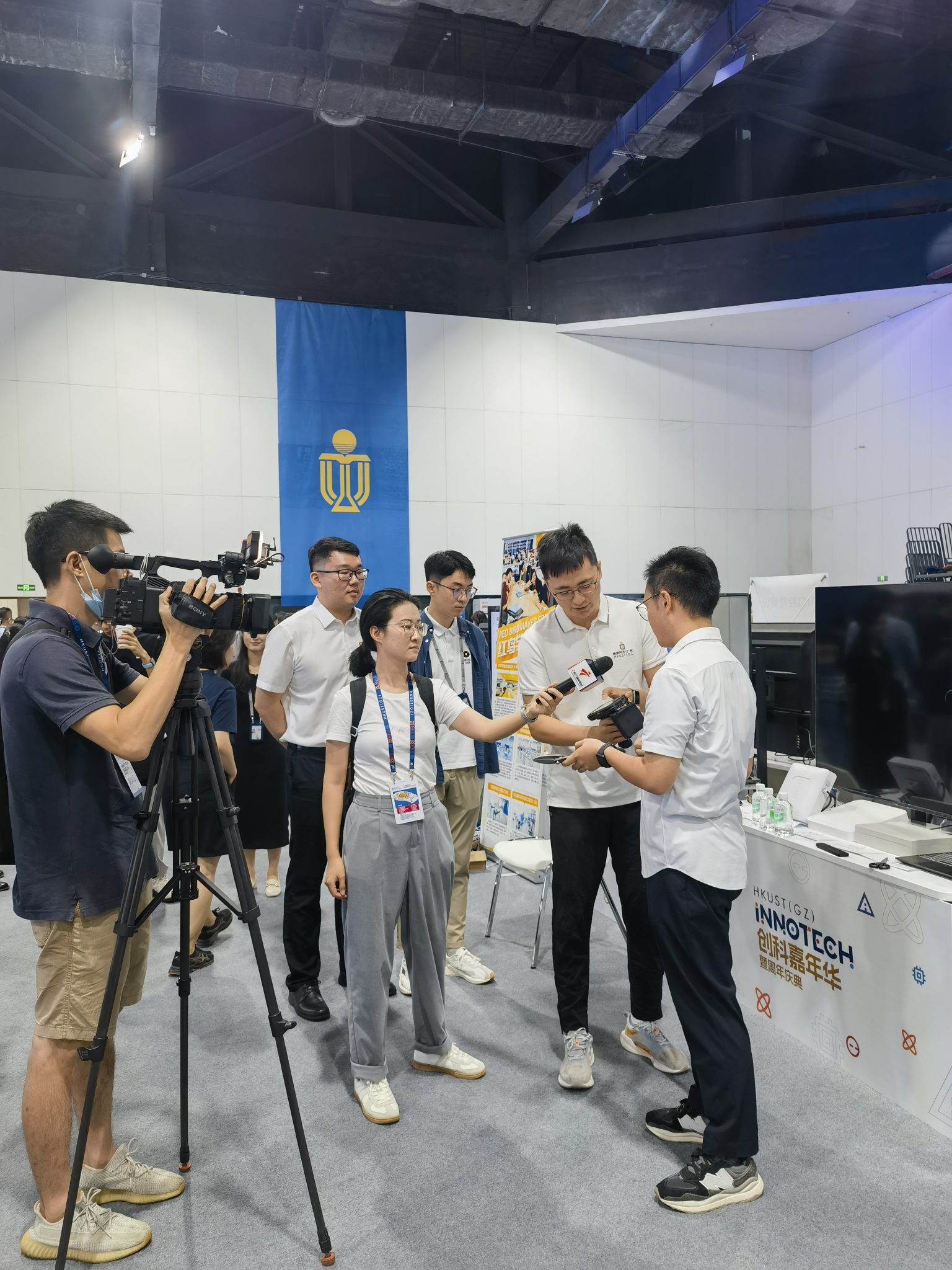
The project is supported by a dedicated 6/F Maker Space, providing an experimental environment for robotic system development, integration, prototyping, testing, and iterative deployment.
Current Platforms & Resources
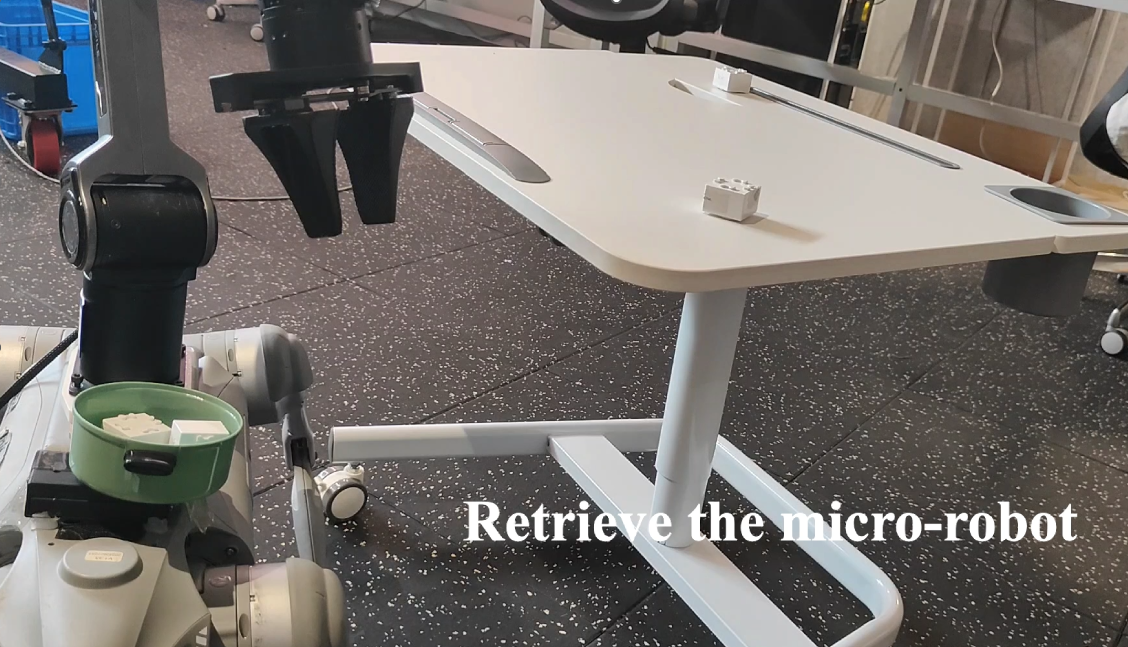
- Astribot S1
- Unitree G1
- Mobile robotic platforms
- Sensing and computing resources
- Physical prototyping and testing facilities
- HPC & etc.
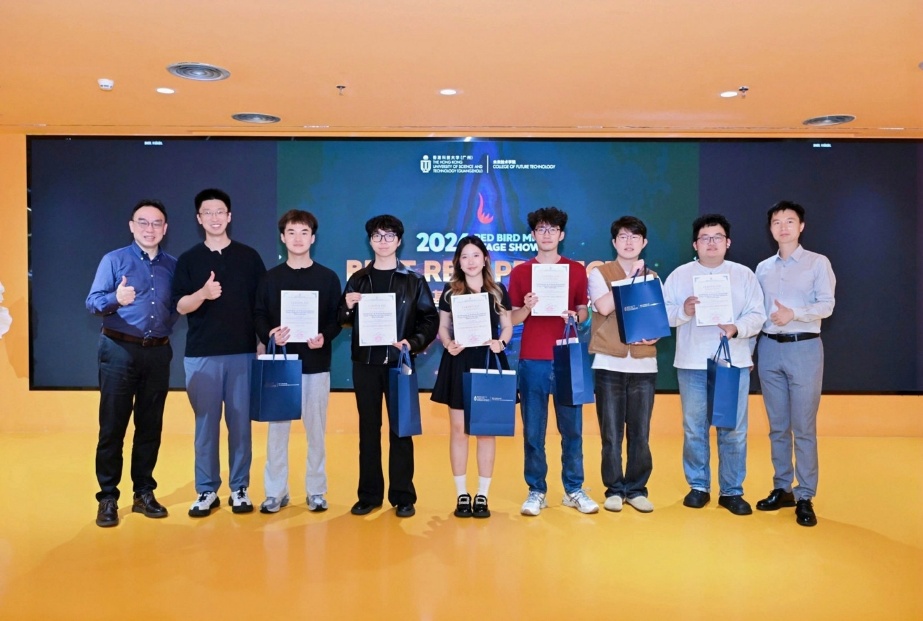
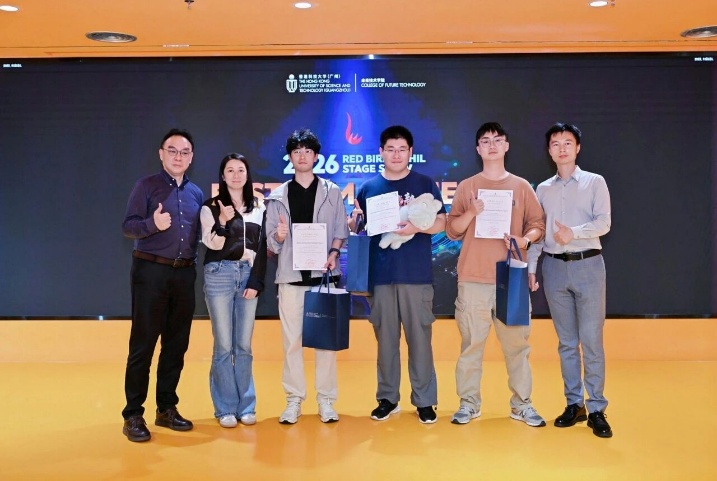
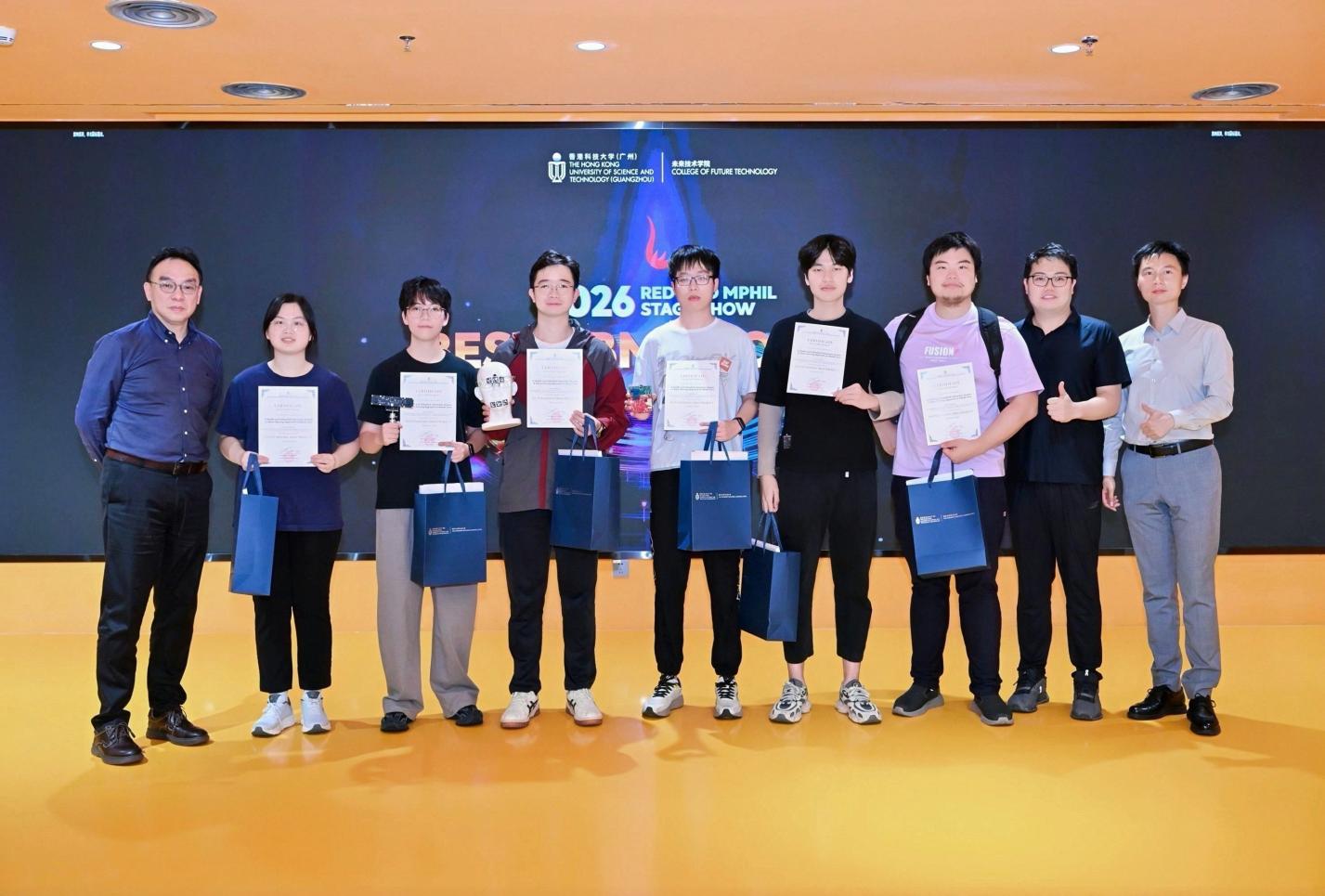
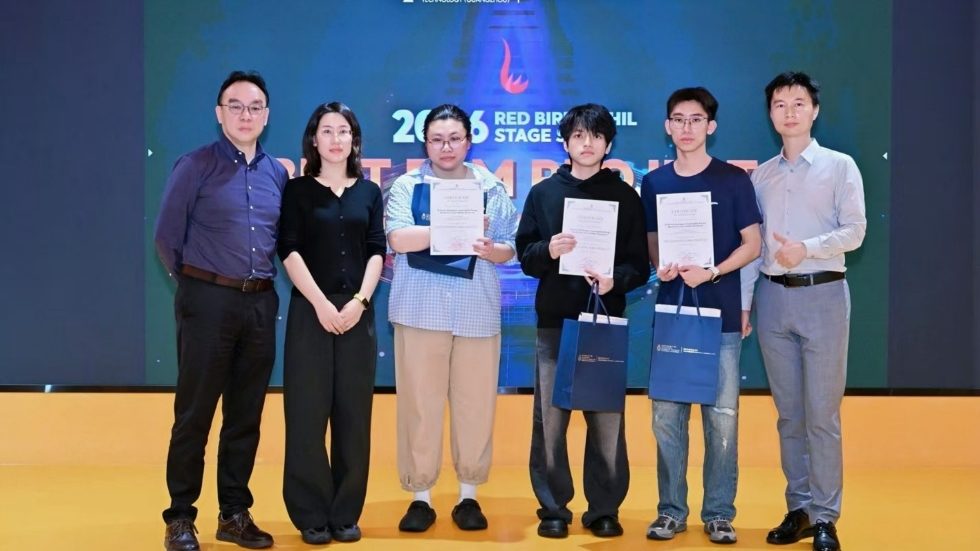
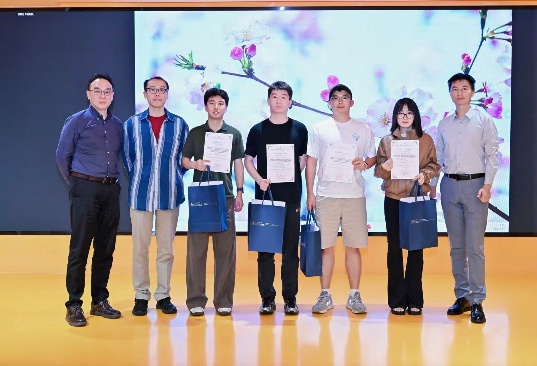
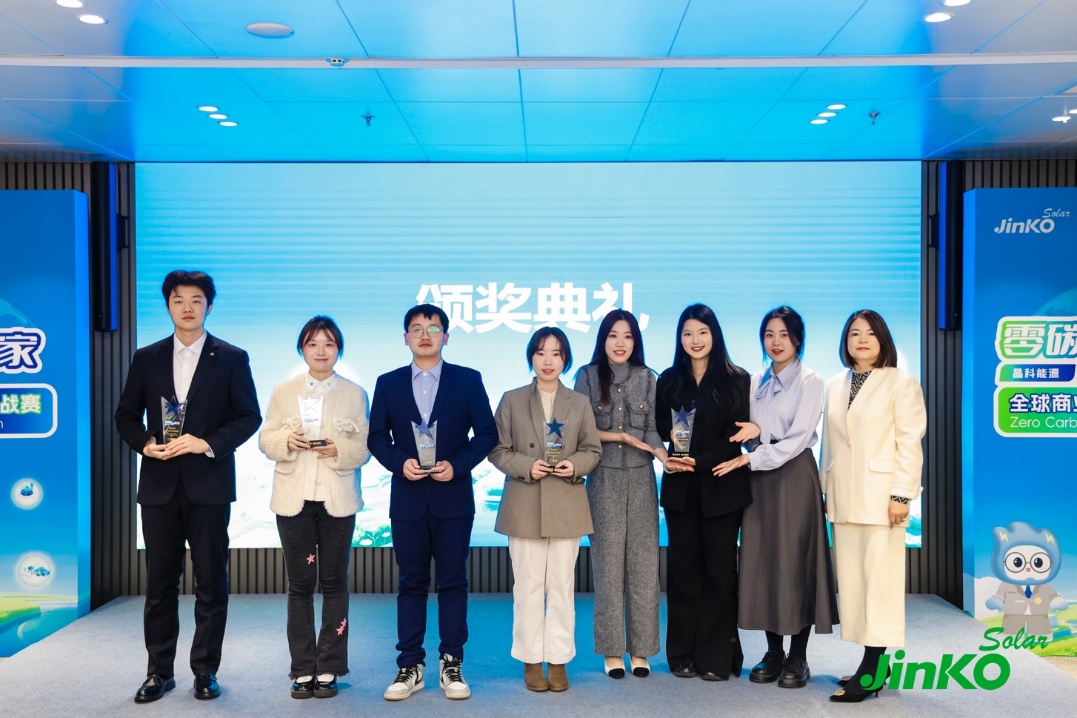
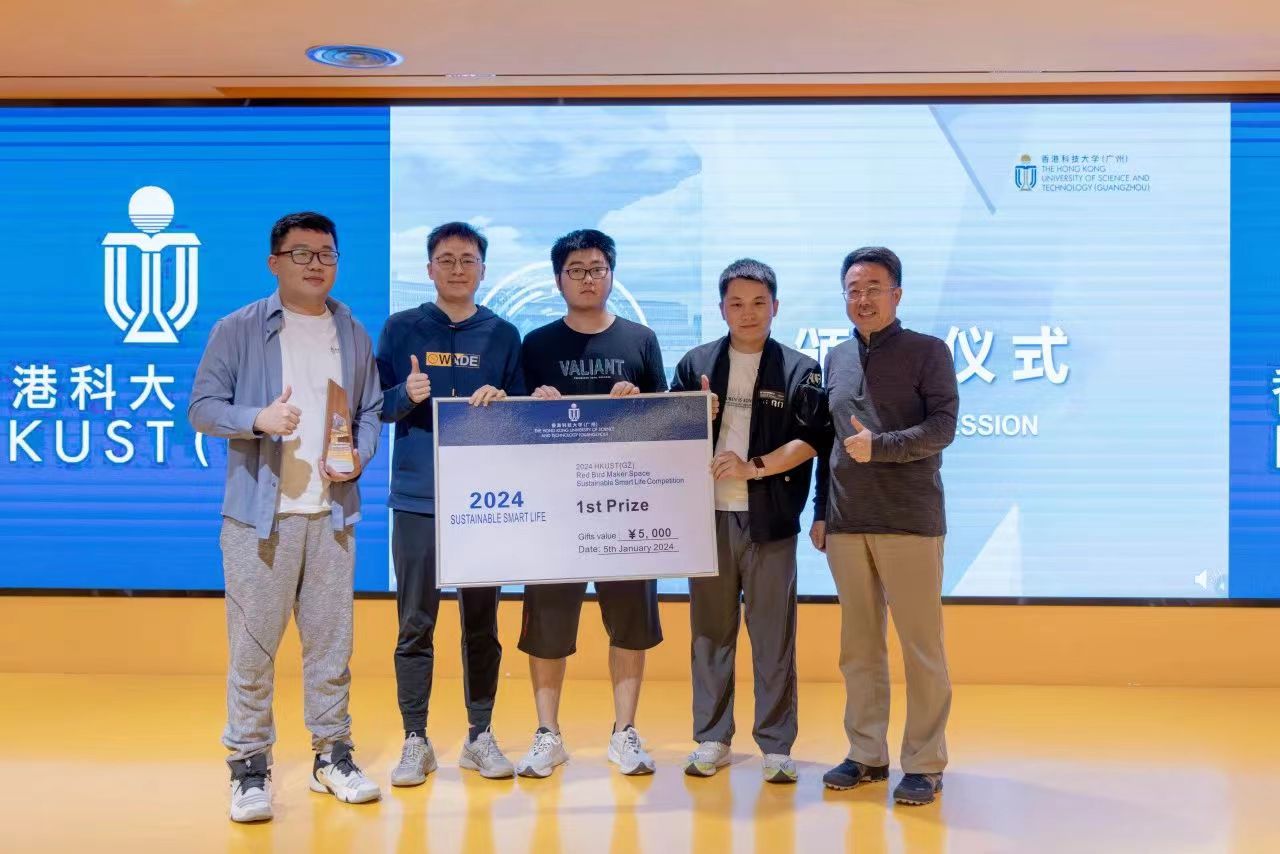
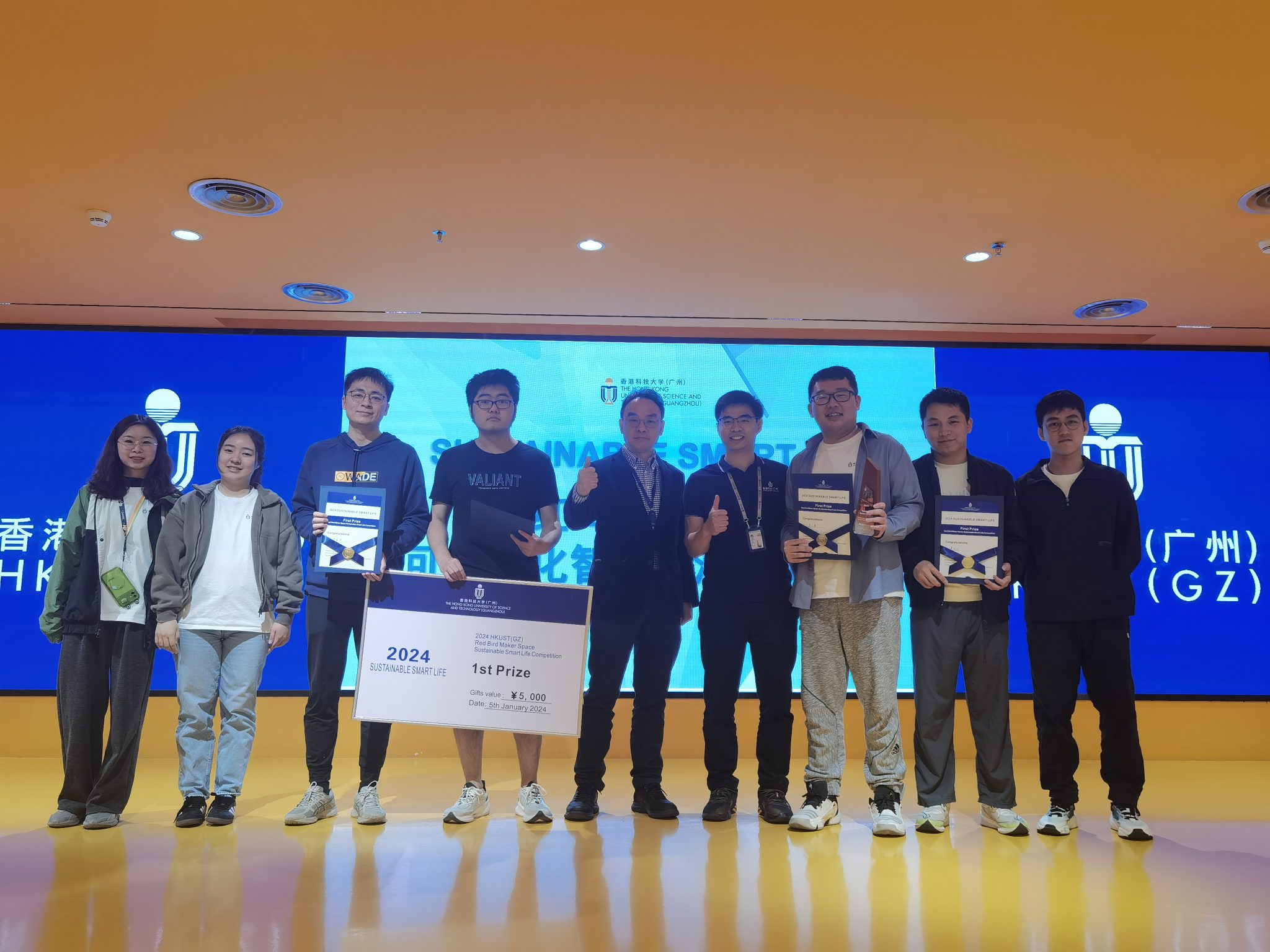
Selected Awards
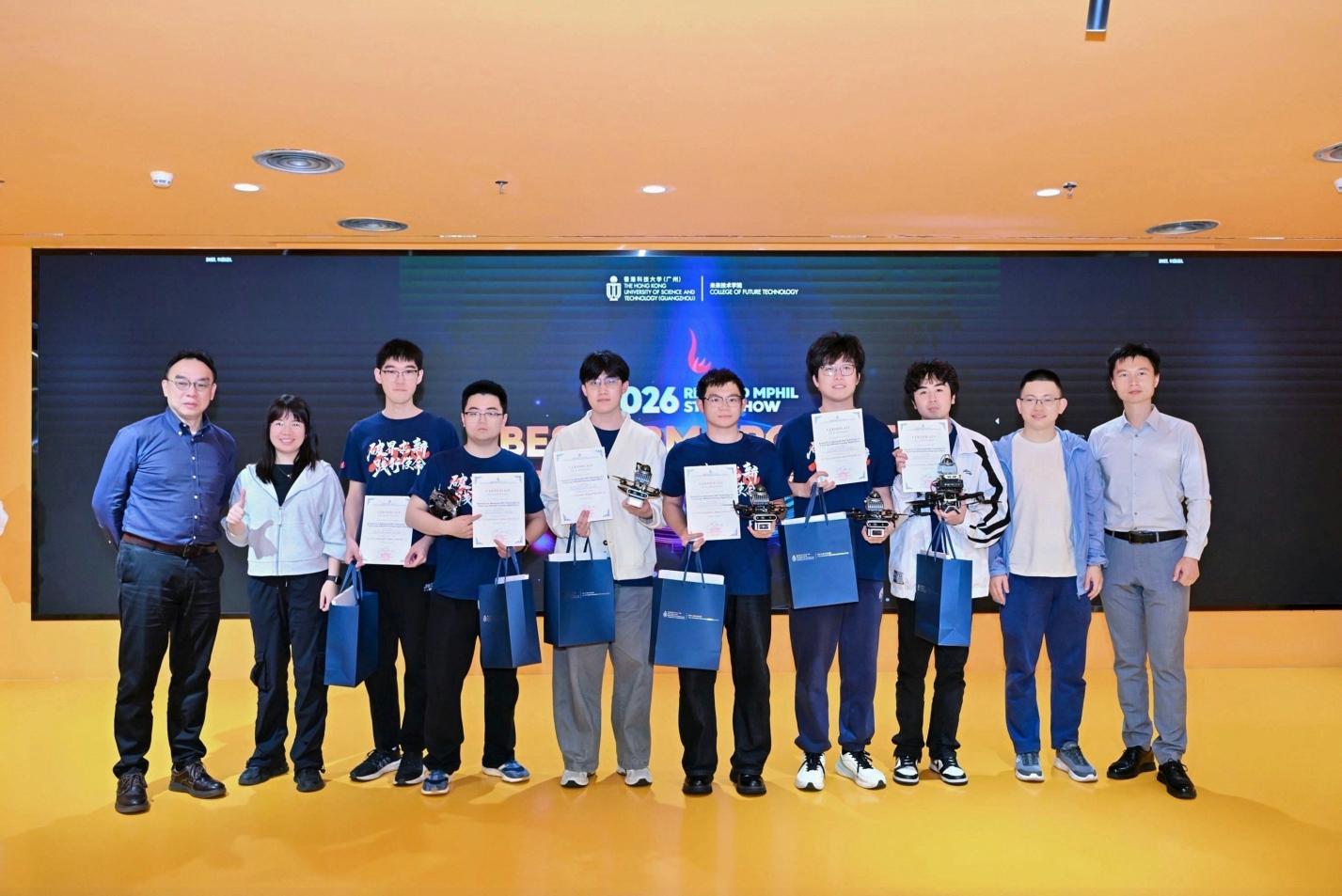
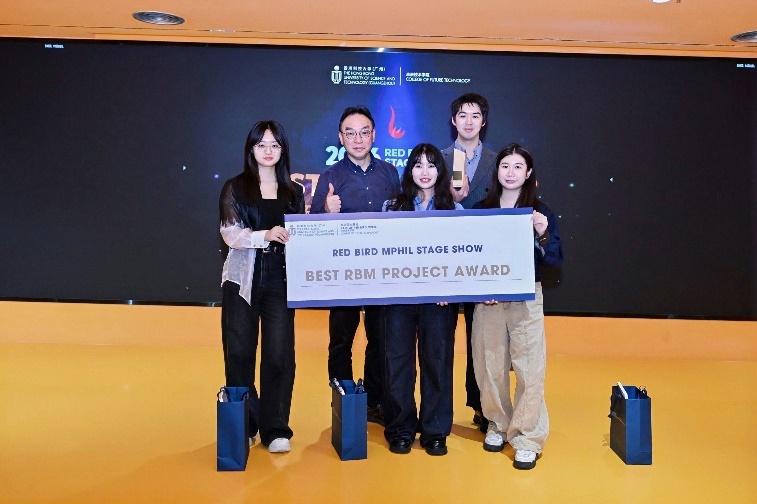
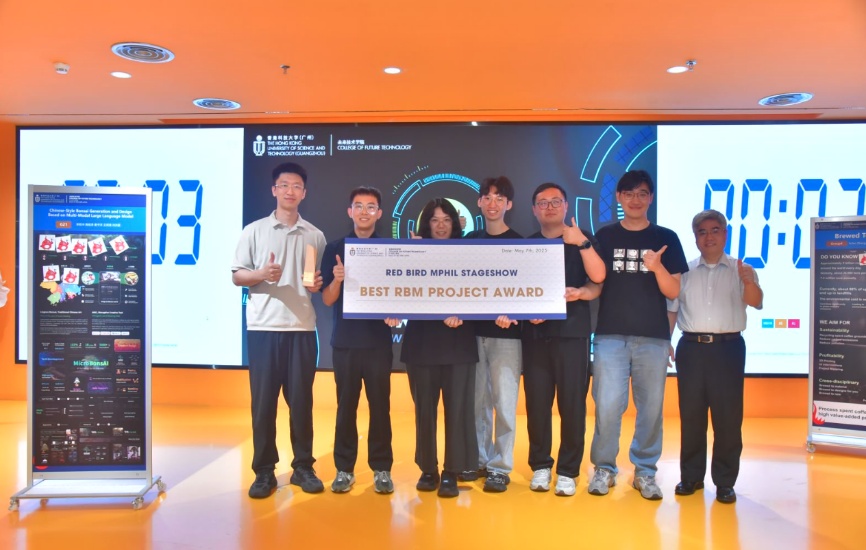
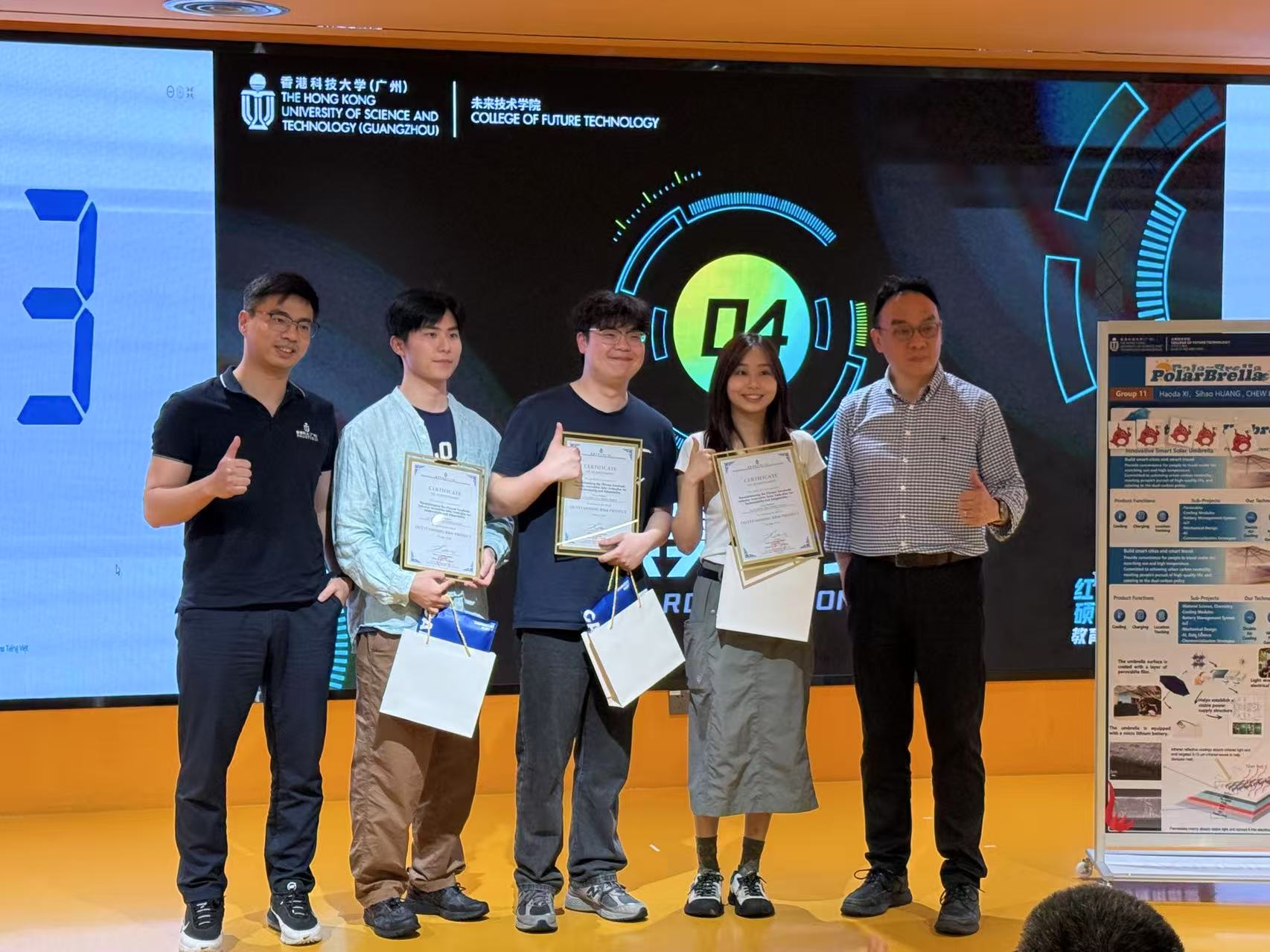
- Best RBM Project Award
- Outstanding RBM Project Award
- Geneva Inventions Gold Medal
- Greater Bay Area Innovation Recognition
- RBMS Competition Awards
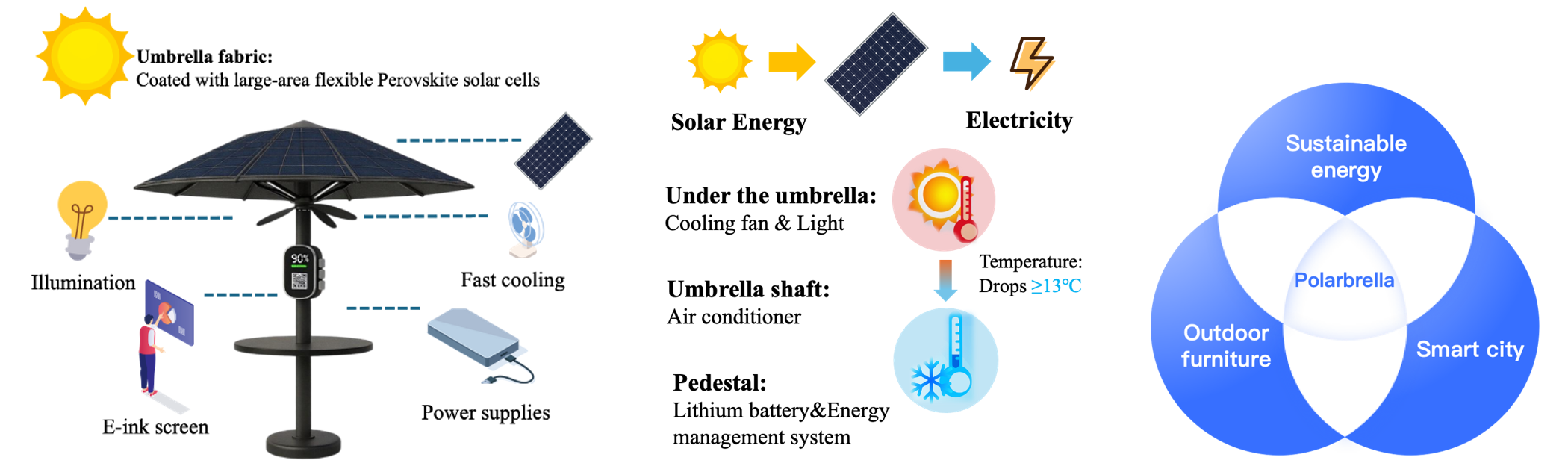
- CES 2025 Innovation Award

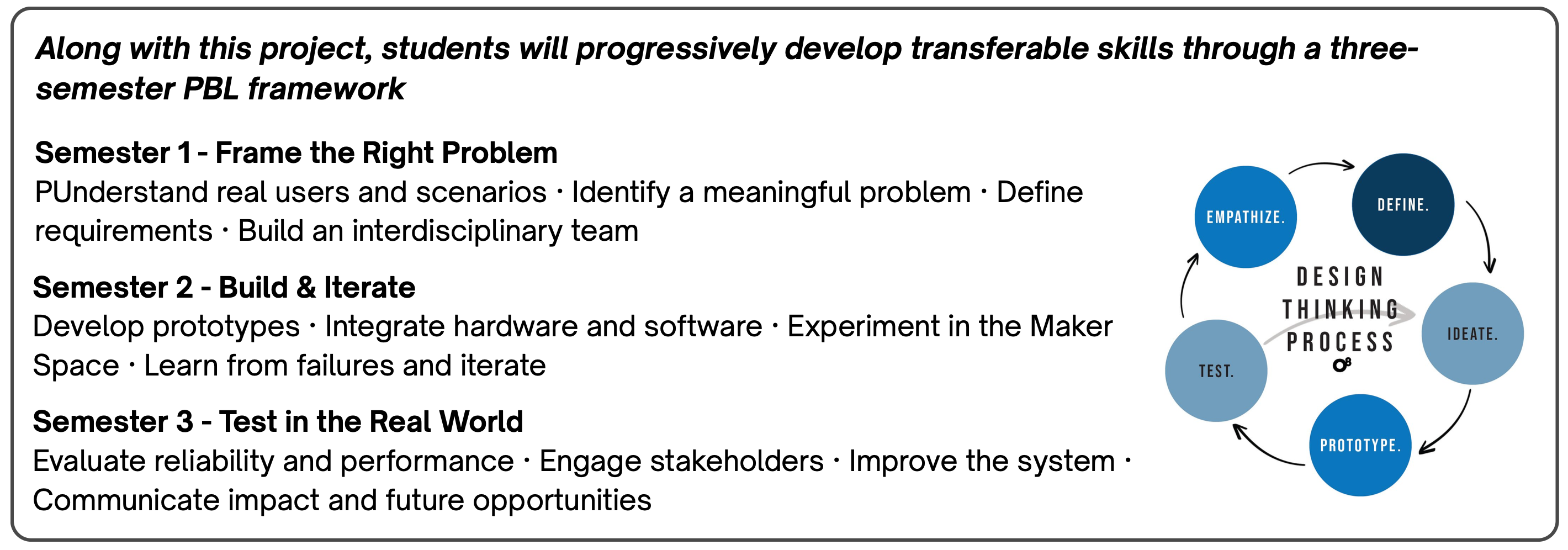
Three-Semester PBL Framework