Project Team
Project Supervisor
Dr. Tongge HUANG
Academic Supervisor
Hui XIONG, Yingcong CHEN, Hao WANG, David Kei Man YIP
Team members
Caiyi CHEN, Xingbo YAO, Yusen MA, Yuxin DU, Zijian WANG
Project Overview
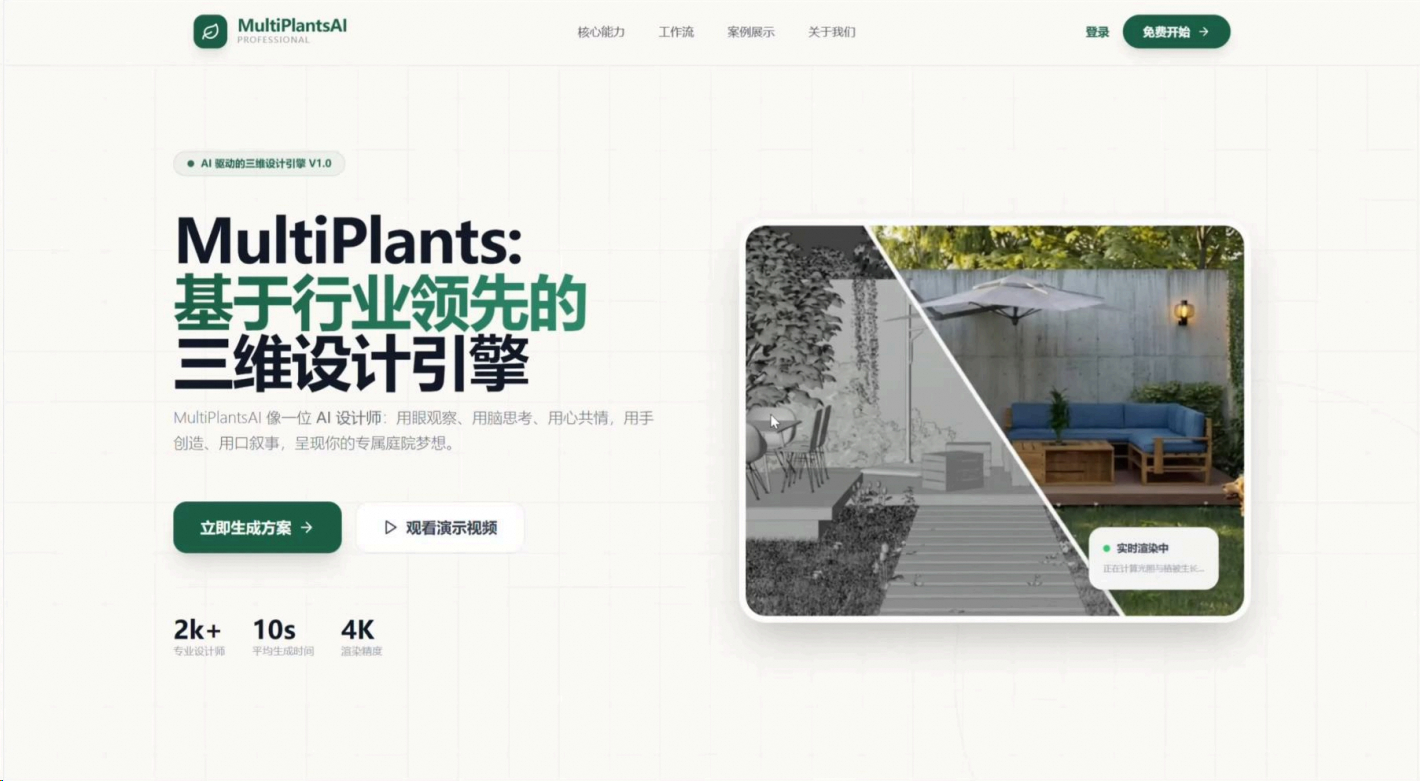
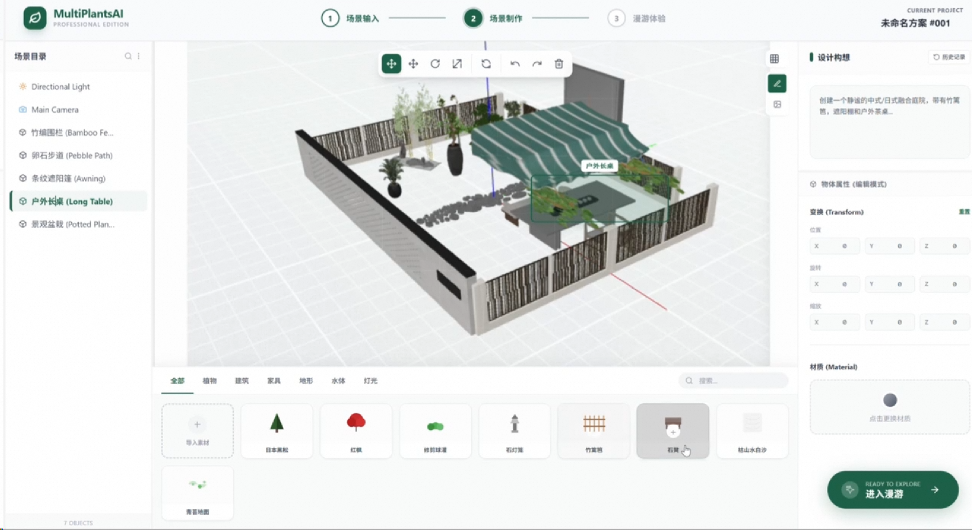
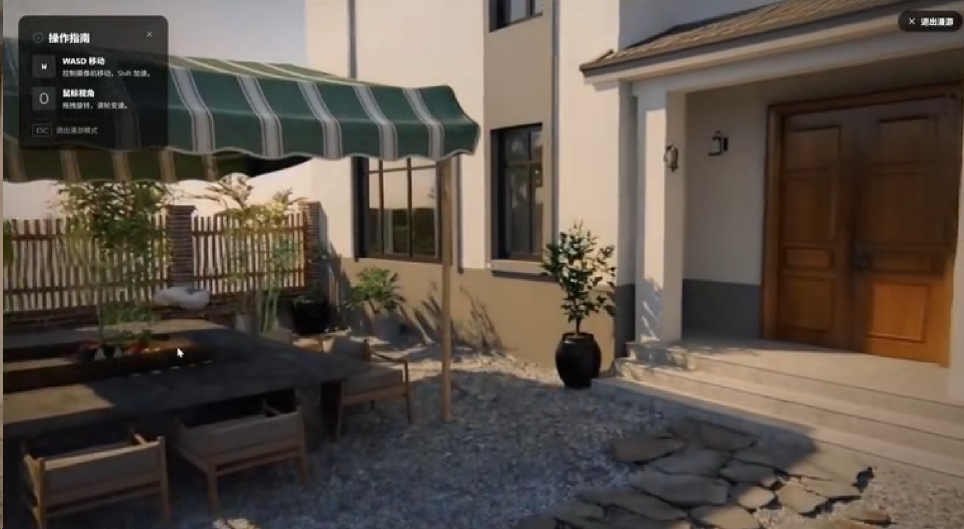
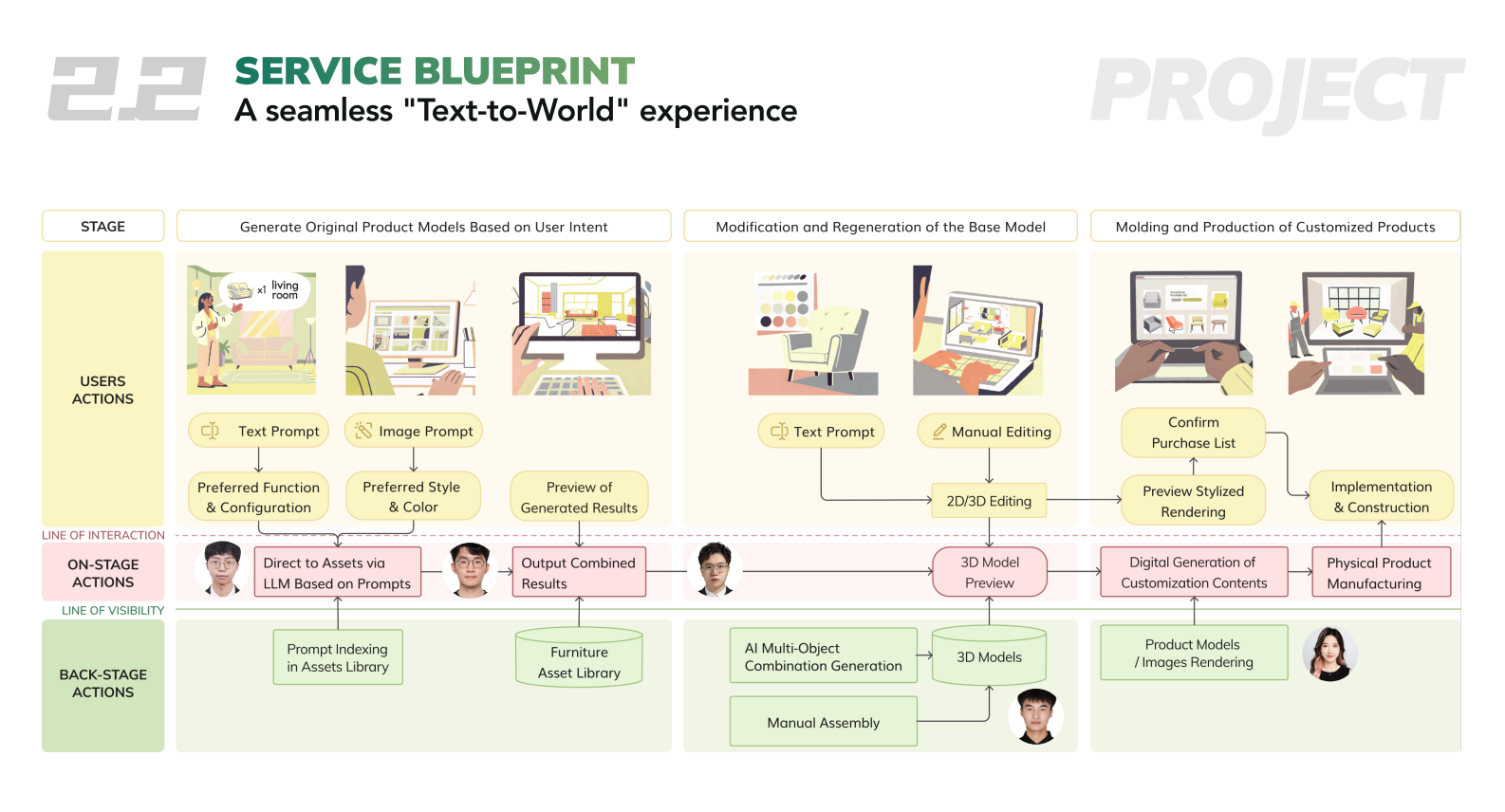
MultiPlantsAI is an AI-driven system for the full workflow of plant landscape design, production, and sales. With only text prompts or image inputs, users can quickly generate personalized landscape solutions, visualize them in real spaces, refine the results, and move toward product realization. Centered on a “Text-to-World” experience, the project transforms traditional landscape design from a complex, high-threshold process into an accessible, efficient, and scalable intelligent service.
Student Research Areas
Caiyi CHEN
Narrative Design and Content Integration
Xingbo YAO
3D Generation and Layout Generation
Yusen MA
Asset Retrieval Algorithm
Yuxin DU
Spatial Perception and Team Collaboration
Zijian WANG
3D Reconstruction for Converting Courtyard Images into Editable 3D Scenes

Project Team
Project Supervisor
Lujia WANG
Academic Supervisor
Yutao YUE, Dengbo HE
Team members
Zihe ZHAO, Boyu JIN, Xiao YANG
Project Overview
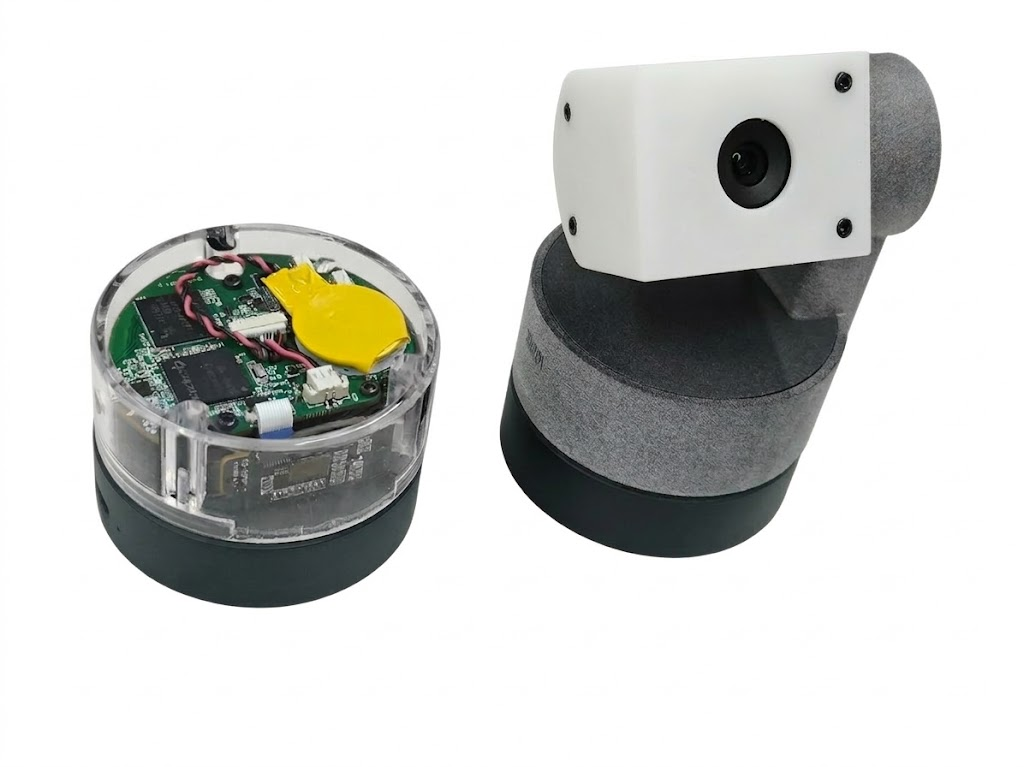
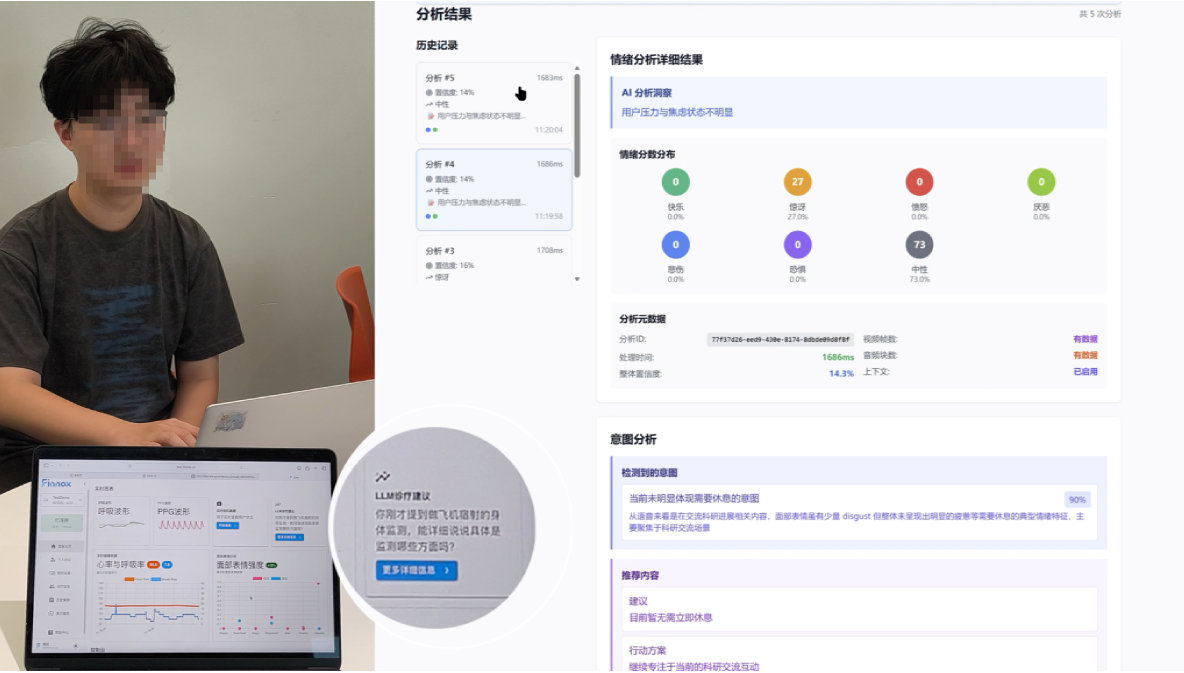
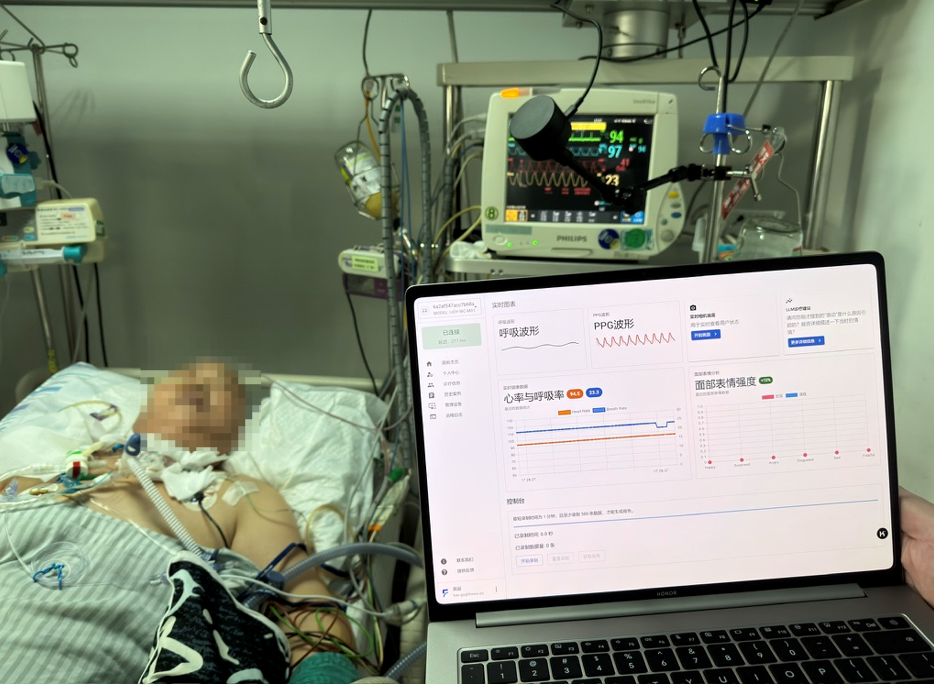
Emotion is not a decoration—it is the foundational protocol that underlies human decision-making and collaboration. To accelerate the industrial adoption of AI in healthcare, education, and human-computer interaction, we have engineered a comprehensive multimodal affective intelligence system. Our solution integrates a specialized hardware suite capable of simultaneous non-contact physiological monitoring, facial Action Unit detection, and audio acquisition. By leveraging a cloud-based Multimodal Large Language Model (MLLM) for sophisticated data analysis and dynamic interaction, we are evolving AI from static brains into adaptive minds. This establishes “understanding humans” as a standard capability for the next generation of intelligent systems, paving the way for more empathetic and effective technology.
Honor and achievements
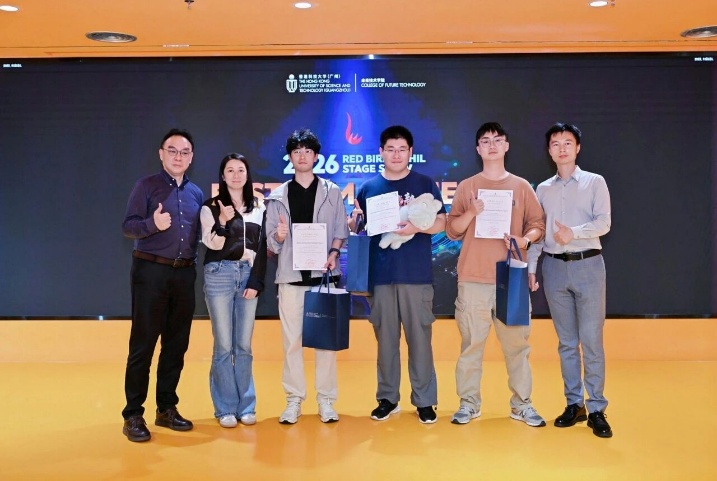
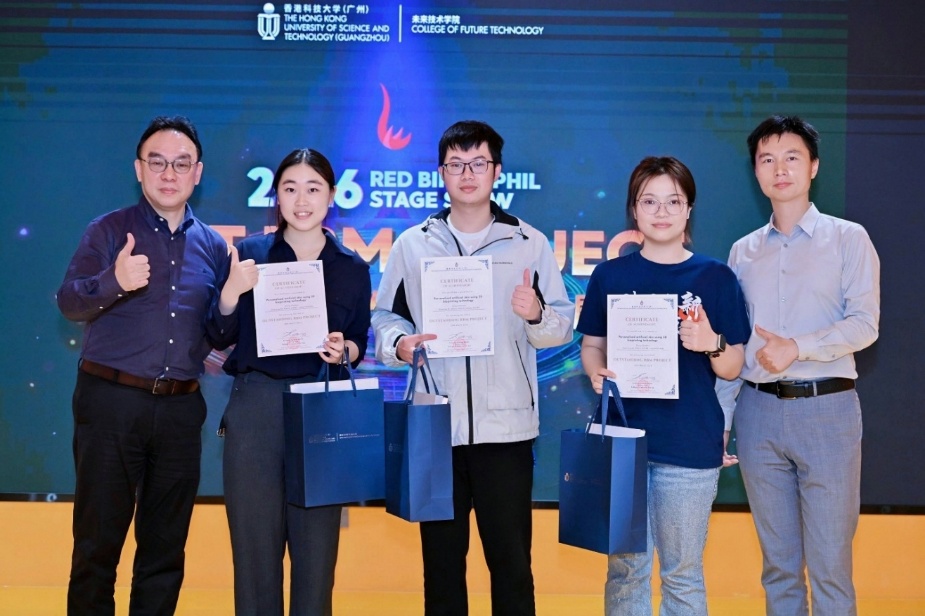
The Emotional Intelligence System was awarded the Gold Medal at the International Exhibition of Inventions Geneva in March 2026
Student Research Areas
Zihe ZHAO
Multimodal Large Language Model
Boyu JIN
Emotional Intelligence System, Intelligent Hardware Integration
Xiao YANG
Non-contact Physiological Signal Processing
Project Team
Project Supervisor
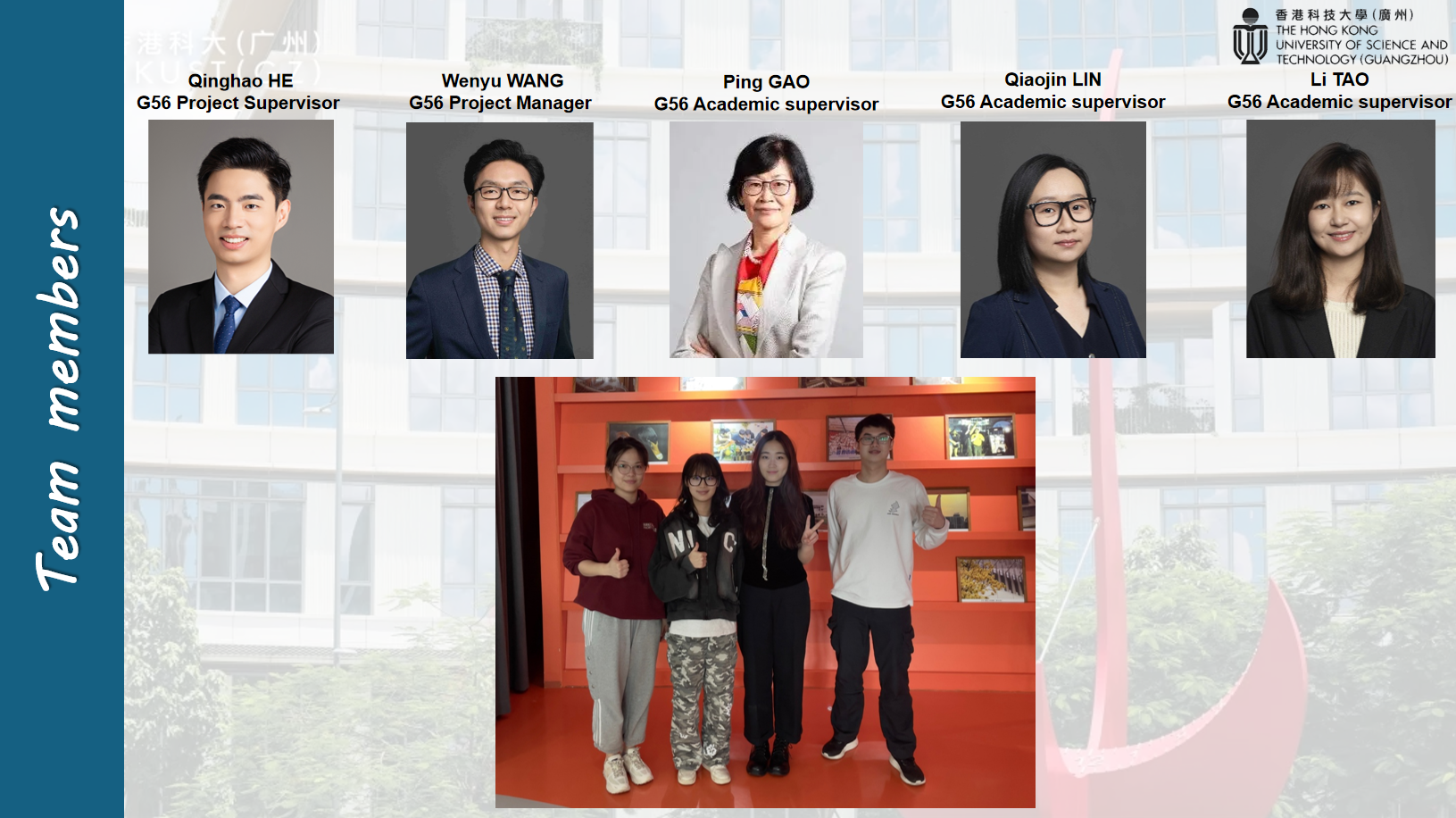
Qinghao HE
Academic Supervisor
Wenyu WANG, Qiaojin LIN, Ping GAO
Team members
Quanying MI, Jiashen HUANG, Wenrui WANG
Project Overview
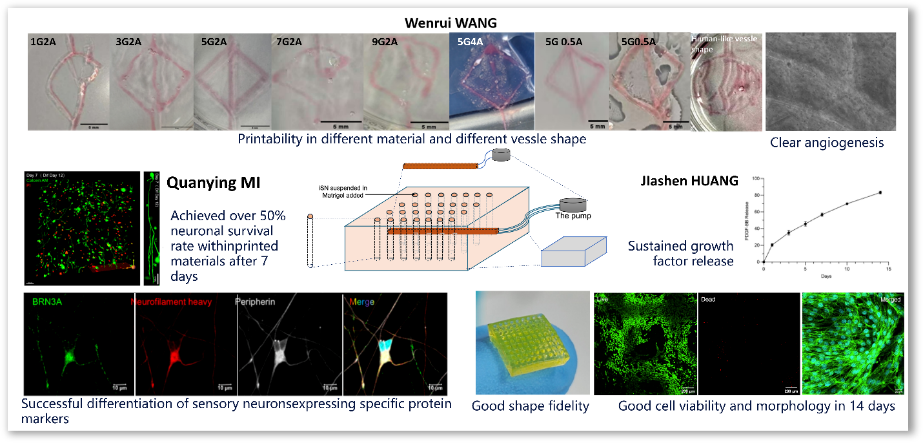
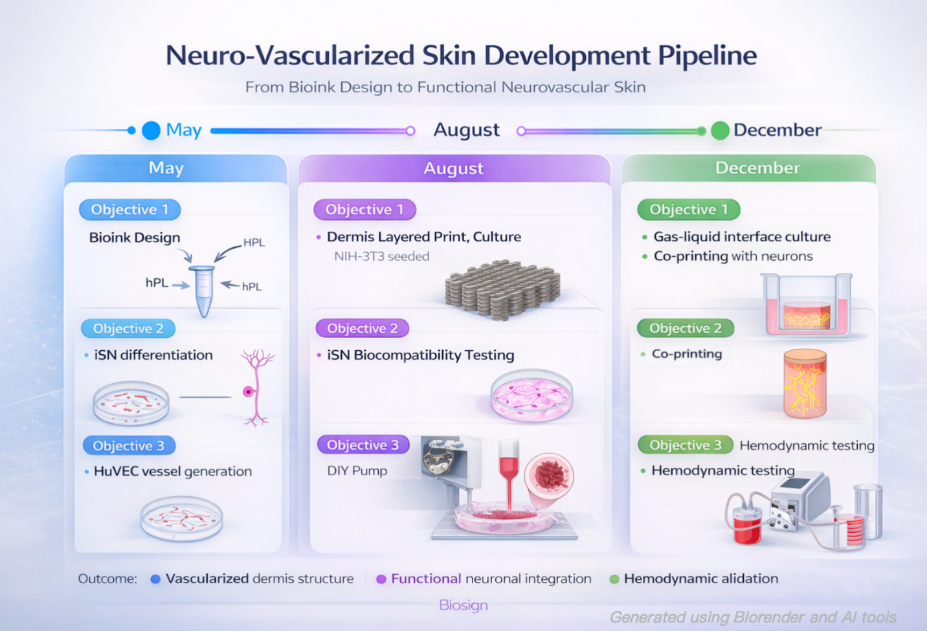
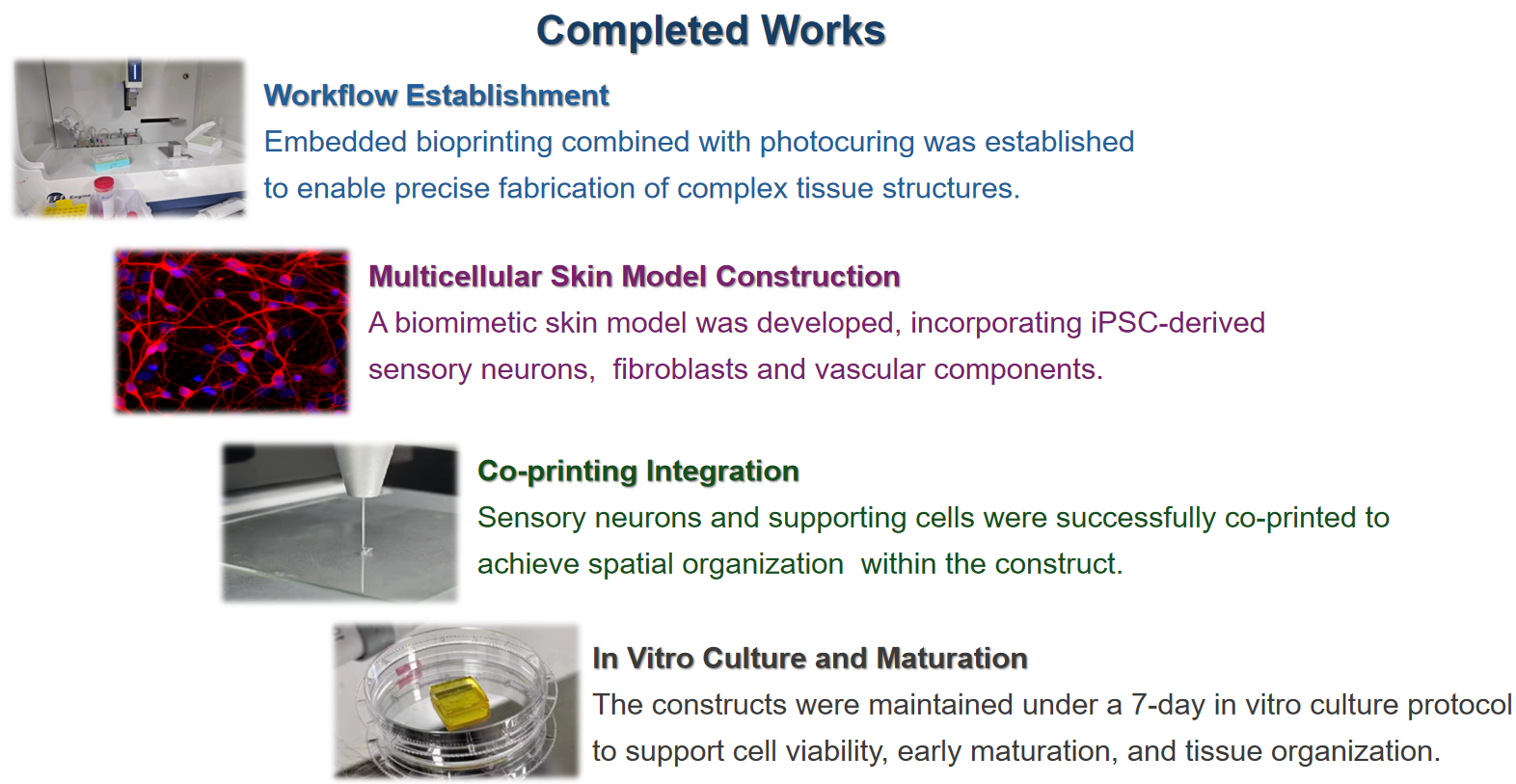
We are developing a 3D-printed biomimetic skin model that integrates physiological layers, vascular networks, and iPSC-derived sensory neurons to restore both structure and perception. By combining bioprinting, stem-cell engineering, neural differentiation, and biomaterials design, this interdisciplinary project addresses the limitations of current grafts—scarring, rejection, and loss of function—and provides a functional platform for regenerative therapy and in-vitro testing.
Student Research Areas
Quanying MI
Stem cell differentiation, Molecular Neural Biology
Jiashen HUANG
Biomaterials, Cell biology
Wenrui WANG
3D Bioprinting Technology

Project Team
Project Supervisor
Landu JIANG
Academic Supervisor
Kaishun WU, Zeyu WANG, Lei ZHU
Team members
Jiarong ZHANG, Yimin CHEN, Zekai LIU, Xingyu LI, Jinyu LIN, Linlin CAI
Project Overview
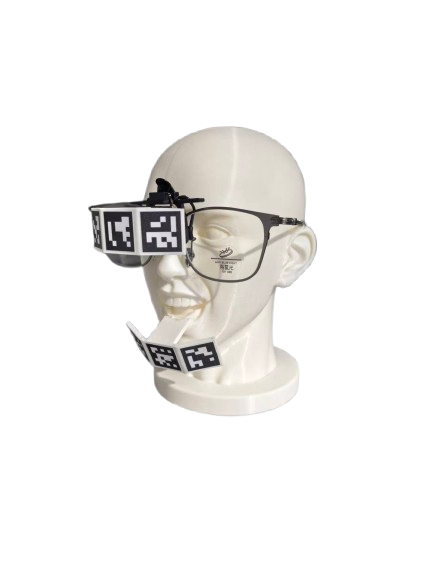
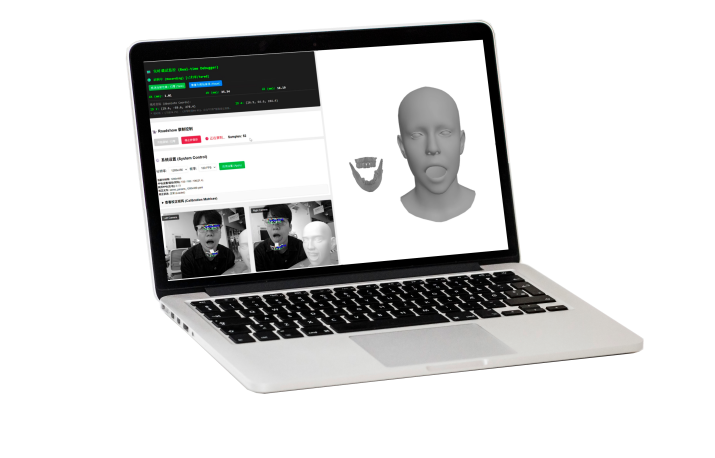
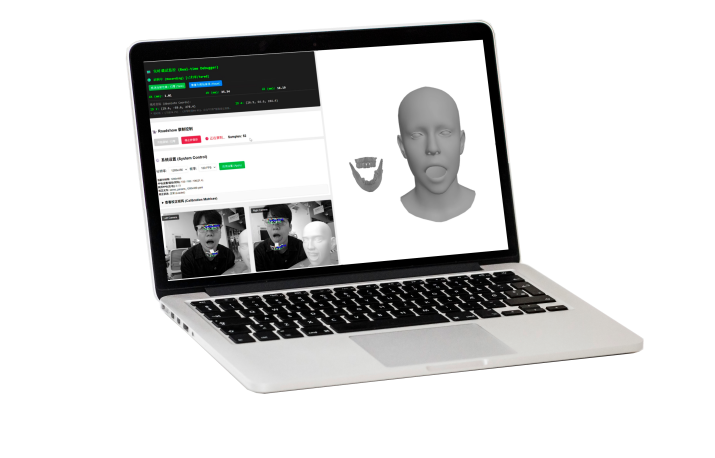
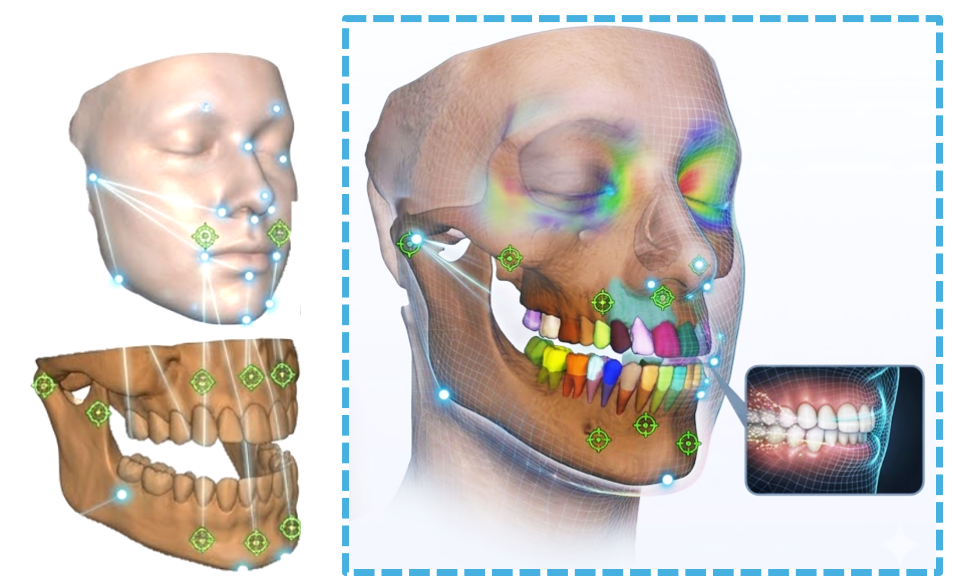
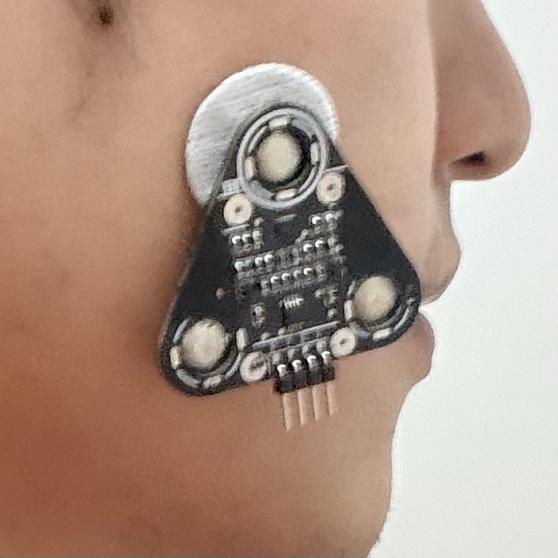
Our project addresses the high clinical overhead of traditional electronic facebows by introducing a multi-modal intelligent sensing framework. By integrating vision-radar fusion with wearable technology, we shift the focus from absolute spatial precision to dynamic functional biomarkers captured under daily-life environments. This interdisciplinary approach provides a cost-effective, screening-oriented solution for routine dental practice, enabling the early detection of functional erosion and supporting data-driven clinical decision-making.
Project Team
Project Supervisor
Xiaoyan WANG
Academic Supervisor
Jian ZENG, Sheng ZHOU, Renjie WANG
Team members
Ruibao WU, Qi YOU, Zhihong SU
Project Overview
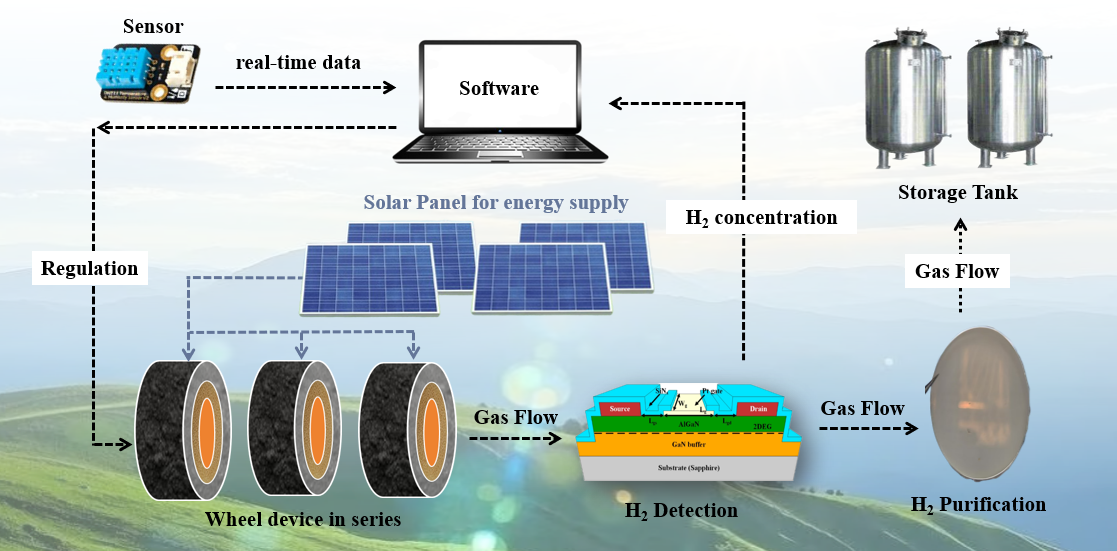
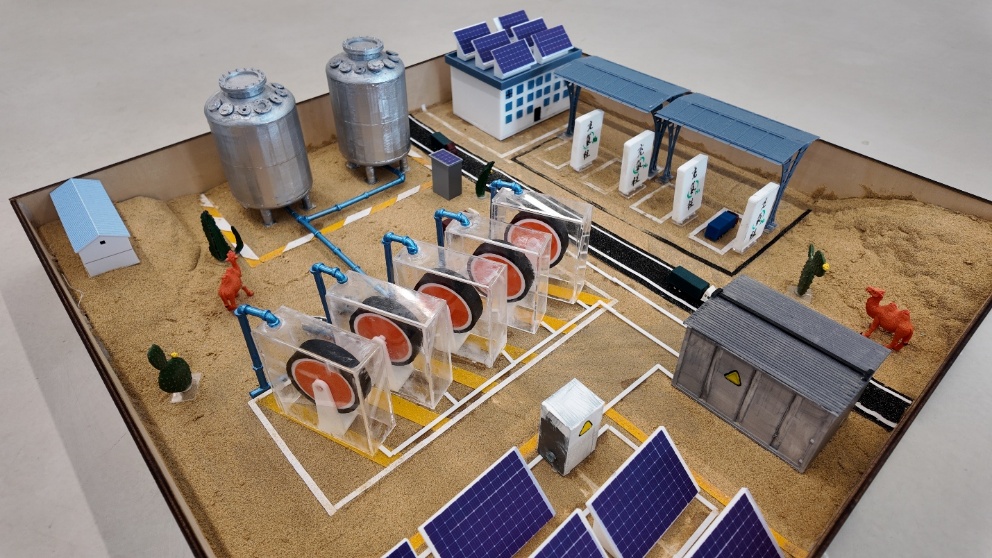
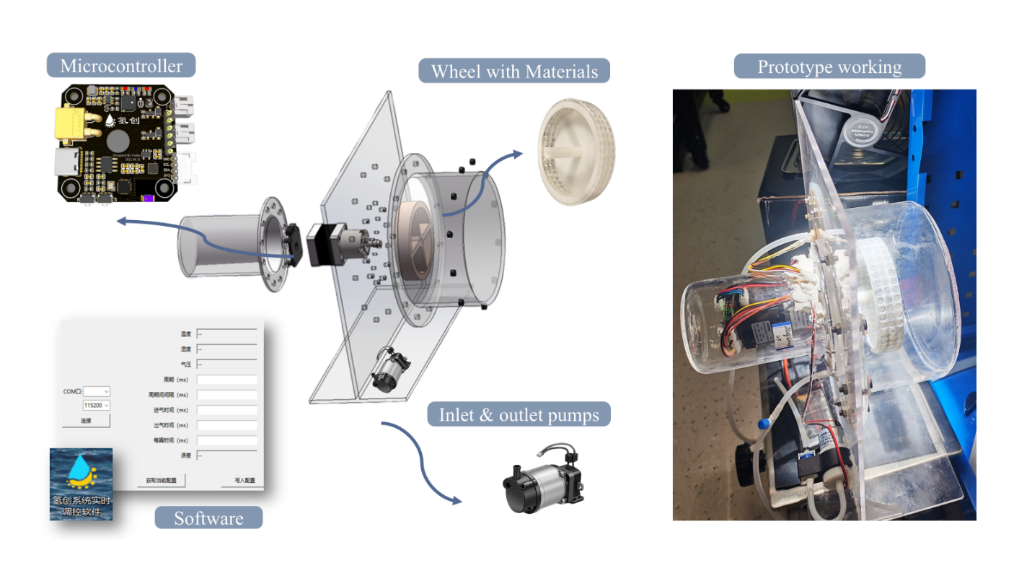
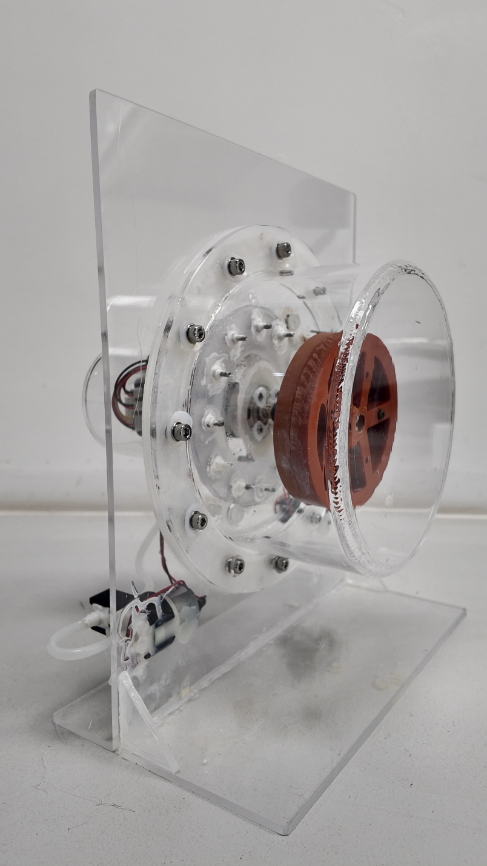
The ambient environment holds enormous potential as both a resource reservoir and an energy bank, offering an important pathway to alleviate global energy shortages and reduce carbon emissions. Humidity and low-grade thermal energy in the environment can both be harnessed for renewable energy production. This project aims to address the dual challenges of excessive carbon emissions and global energy shortages. Centered on a core system for atmospheric water harvesting and photocatalytic hydrogen production, and enabled by three innovative technological approaches, the project covers the entire process from hydrogen generation and detection to separation and purification, efficiently converting these resources into renewable energy such as hydrogen.
Honor and achievements
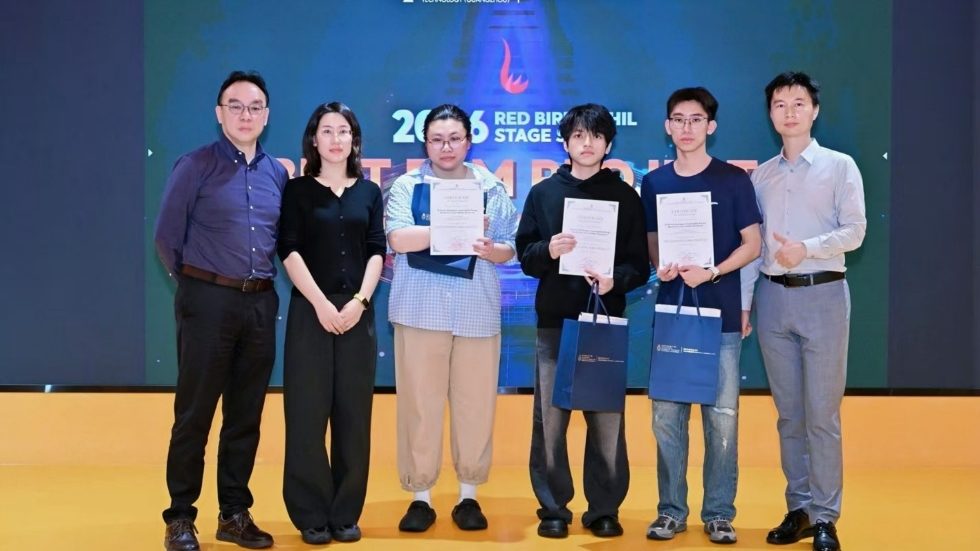
Third Prize at the Provincial Level, The 4th University Electrical and Electronic Engineering Innovation Competition (EEEIC)
Student Research Areas
Qi YOU
Atmospheric Water Harvesting (AWH), Photocatalytic Hydrogen Production, New Energy
Ruibao WU
MOF Materials, MOF-based Mixed Matrix Membrane, Gas Separation
Zhihong SU
HEMT Sensor, Gas Detection
Project Team
Project Supervisor
Jinni ZHOU
Academic Supervisor
Jun MA, Yiding JI
Team members
Hao GAO, Yinghong ZHANG, Zijun CHE, Mingjie ZHANG, Yuheng DU, Yunfei WANG
Project Overview
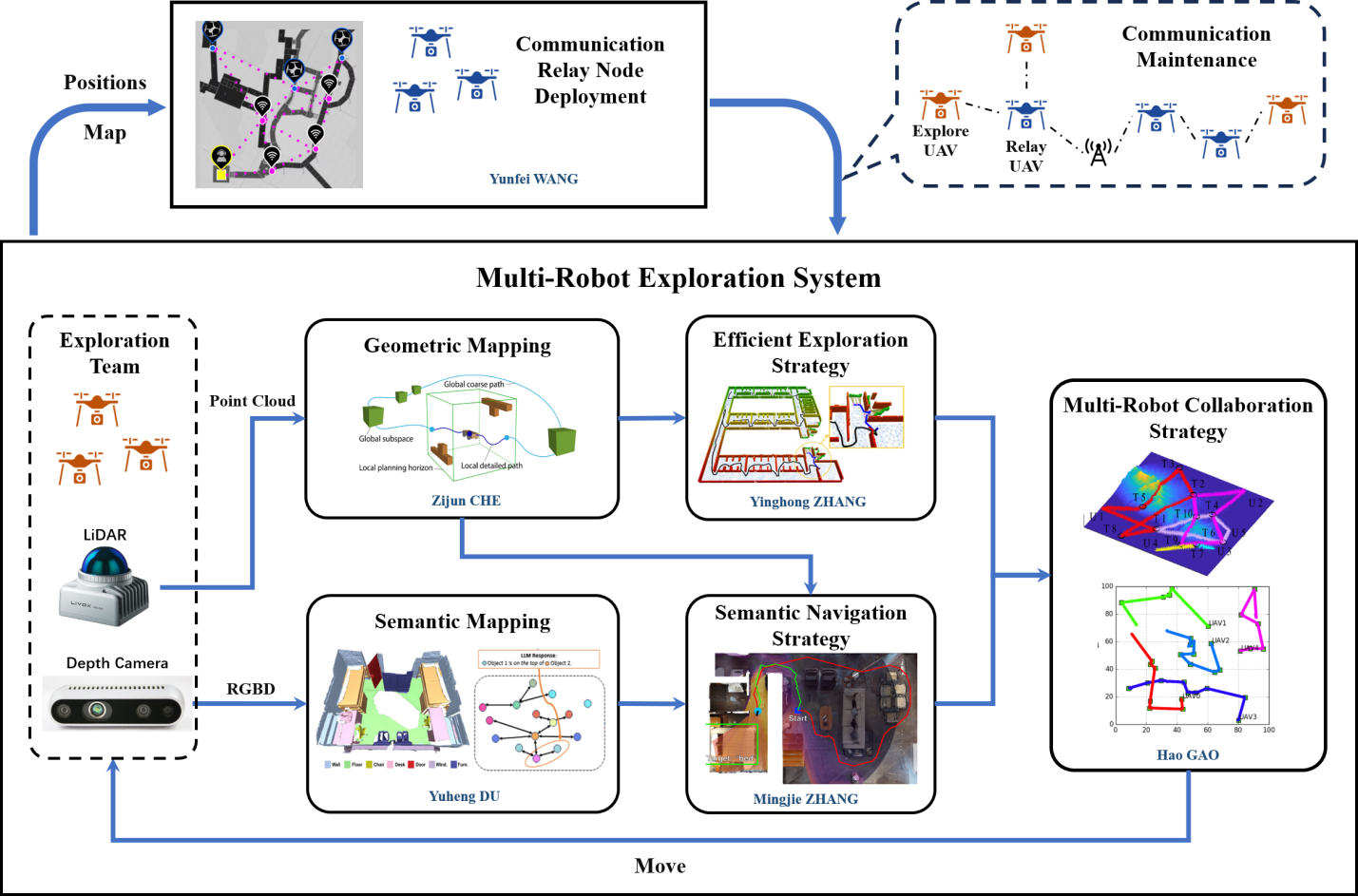
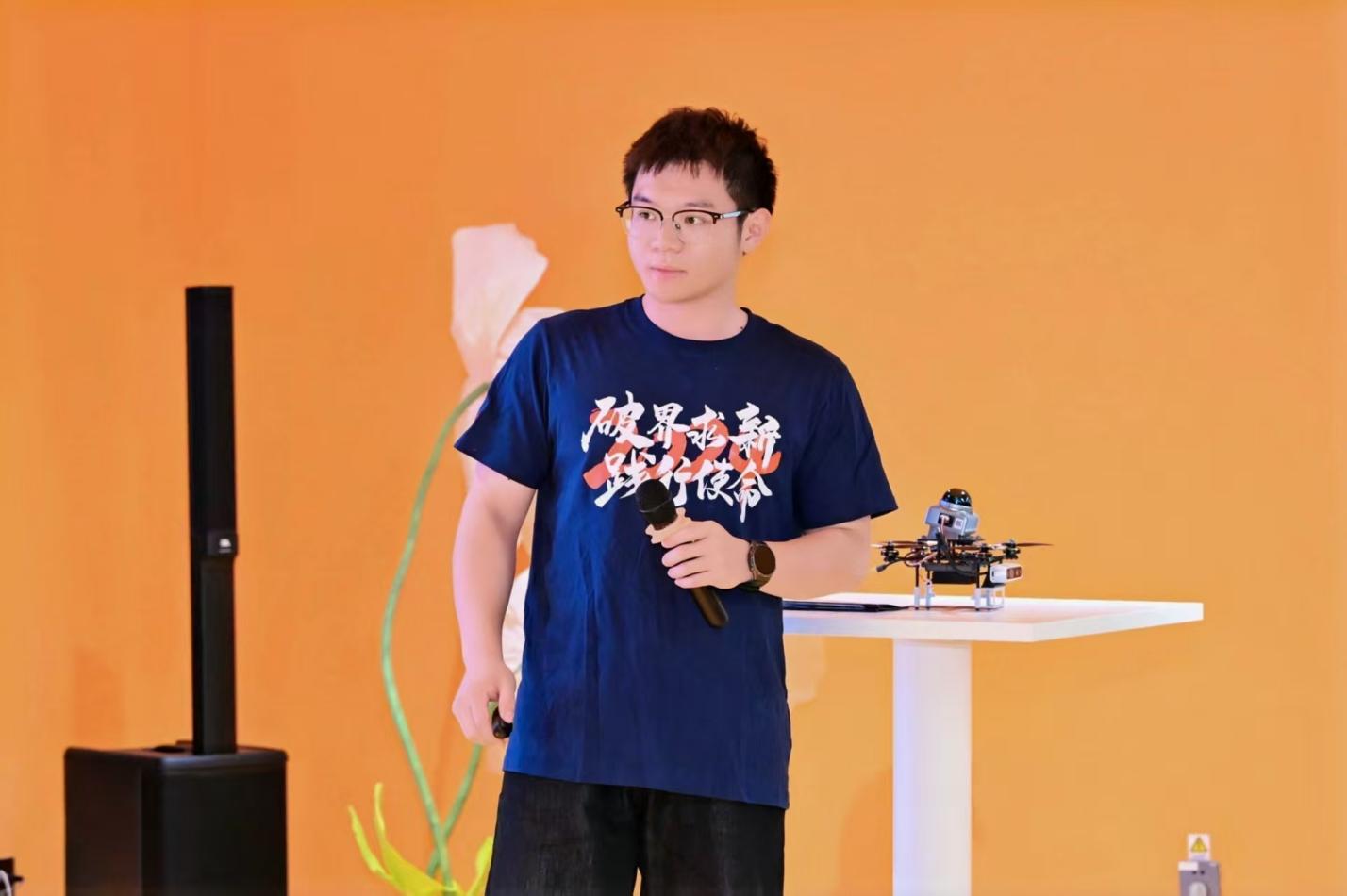
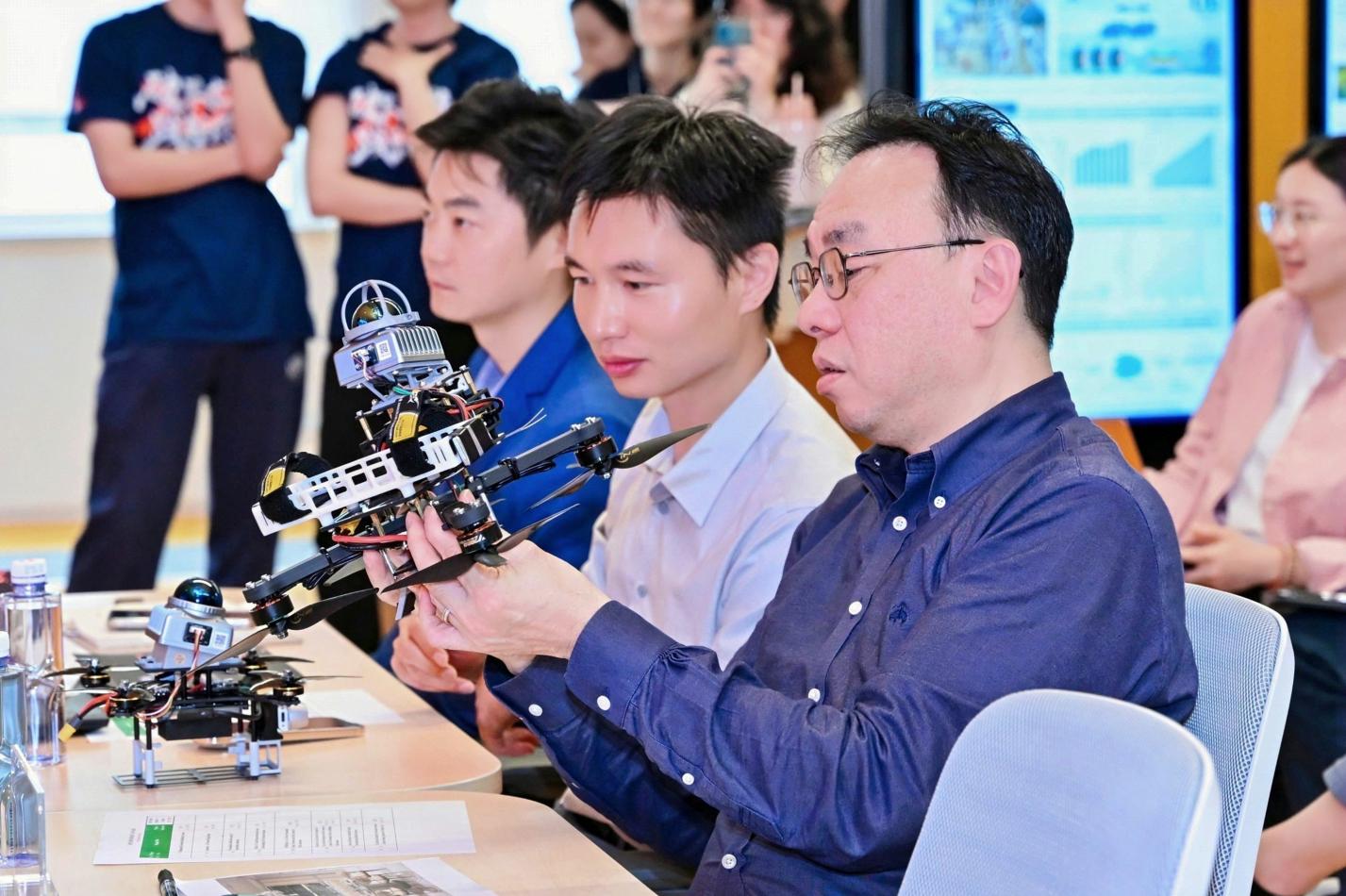
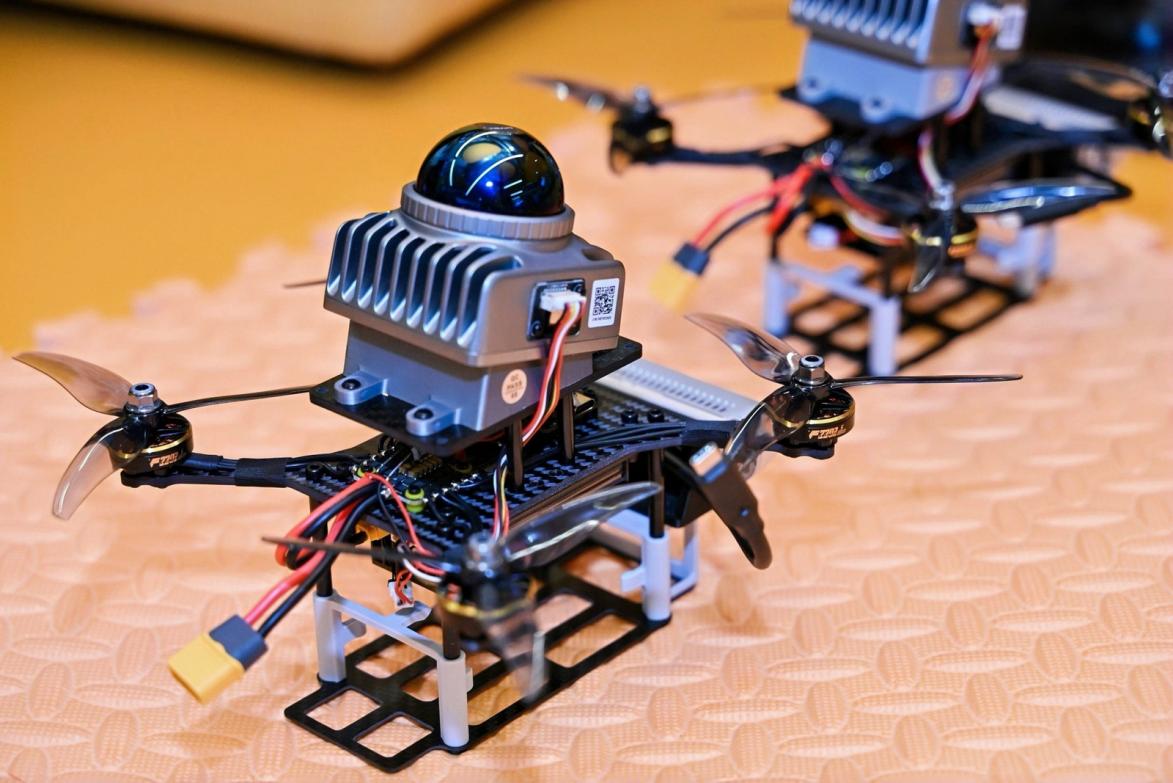
This project develops a dedicated multi-UAV system for post-disaster indoor and outdoor environments. It supports exploration, reconstruction, object search, and scene understanding, while improving the efficiency of disaster response.
Honor and achievements
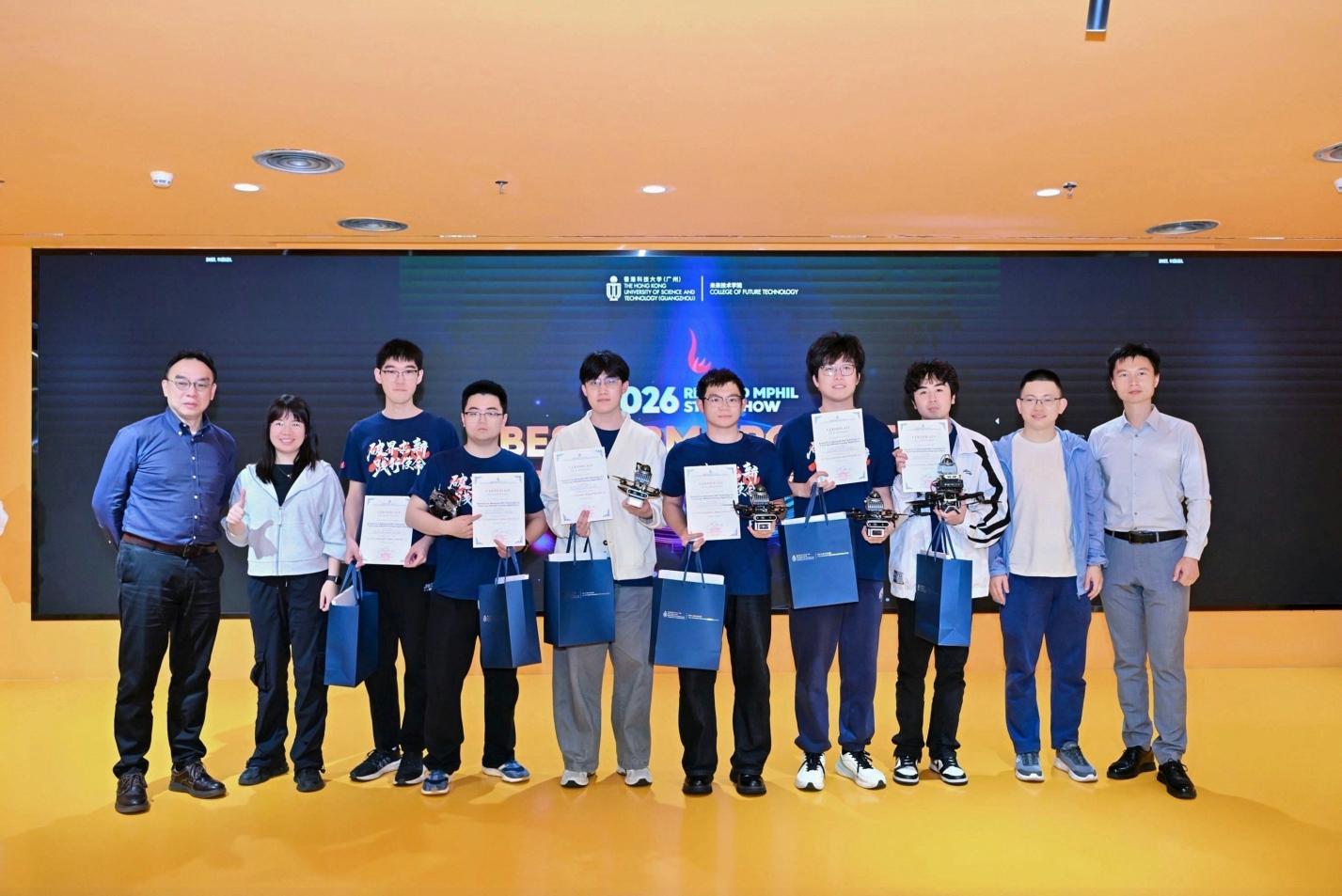
Third Prize for Oral Presentation, The 5th Guangdong Postgraduate Academic Forum - Sub-forum on Intelligent Manufacturing and Robotics.
Che Z, Zhang Y, Liang S, et al. GUIDE: A Diffusion-Based Autonomous Robot Exploration Framework Using Global Graph Inference[J]. arXiv preprint arXiv:2509.19916, 2025.
Zhang M, Du Y, Wu C, et al. Apexnav: An adaptive exploration strategy for zero-shot object navigation with target-centric semantic fusion[J]. IEEE Robotics and Automation Letters, 2025.
Luo Y, Wang Y, Chen H, et al. Fermi: Flexible radio mapping with a hybrid propagation model and scalable autonomous data collection[J]. arXiv preprint arXiv:2504.14862, 2025.
Student Research Areas
Zijun CHE
Dynamic resolution mapping、UAV、Reinforcement Learning
Yinghong ZHANG
UAV、Reinforcement Learning、Path Planning
Mingjie ZHANG
UAV、Sematic Exploration、Sematic Navigation
Yuheng DU
UAV、Sematic Exploration、Sematic Navigation
Hao GAO
Multi-UAV、Task Allocation、Reinforcement Learning
Yunfei WANG
Multi-UAV、Communication Relay Node Deployment
Project Team
Project Supervisor
Arthur Kar Leung LIN
Academic Supervisor
Junwei LIANG, Tengfei CHANG
Team members
Jing YUN, Yinghao GAO, Qi ZENG, Xun YANG
Project Overview
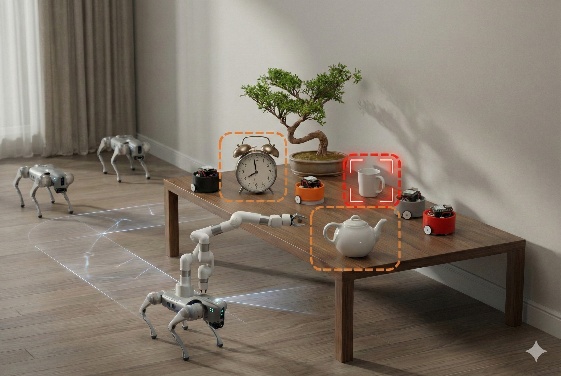
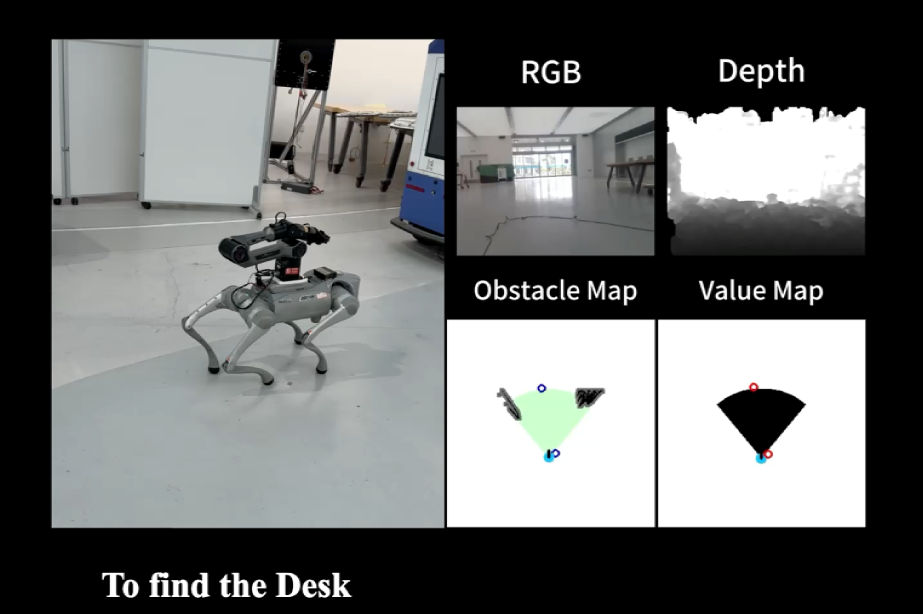
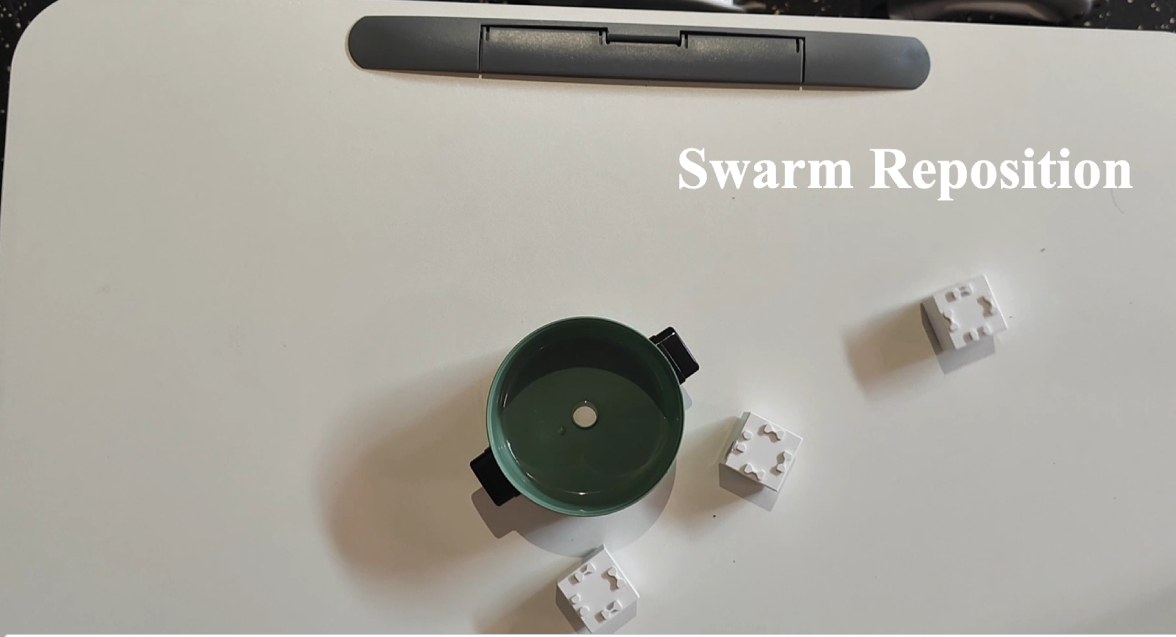
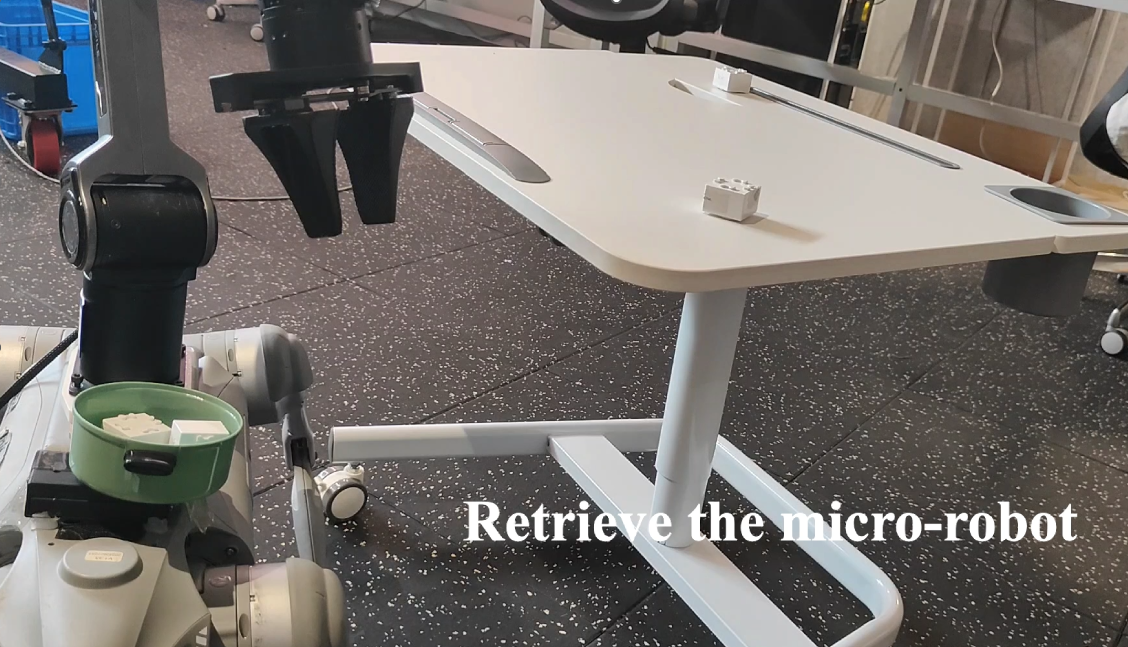
This project develops a collaborative task execution solution for heterogeneous robots based on quadruped robots, robotic arms, swarm robots and object navigation. It effectively solves the problem of limited grasping range of robotic arms due to their own structure, and lays a foundation for the subsequent exploration of heterogeneous robot collaboration.
Student Research Areas
Xun YANG
Humanoid Robot, Reinforcement Learning, Full-Body Control
Yinghao GAO
Swarm Robotics, Cooperative Control, Multi-Agent Systems
Qi ZENG
Object Navigation, Visual Perception, Embodied Intelligence
Jing YUN
Robotic Manipulation, Grasping and Operation, Motion Planning
Project Team
Project Supervisor
Man CHAN
Academic Supervisor
Hui XIONG, Kaishun WU, Mingming FAN, Zeyu WANG
Team members
Qiuting XIA, Yanshan LIU, Jiazhe NI, Mingshuo LI
Project Overview
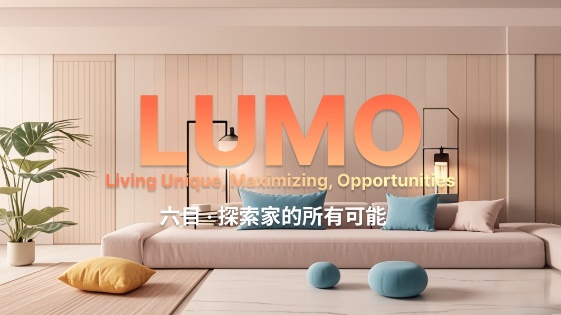
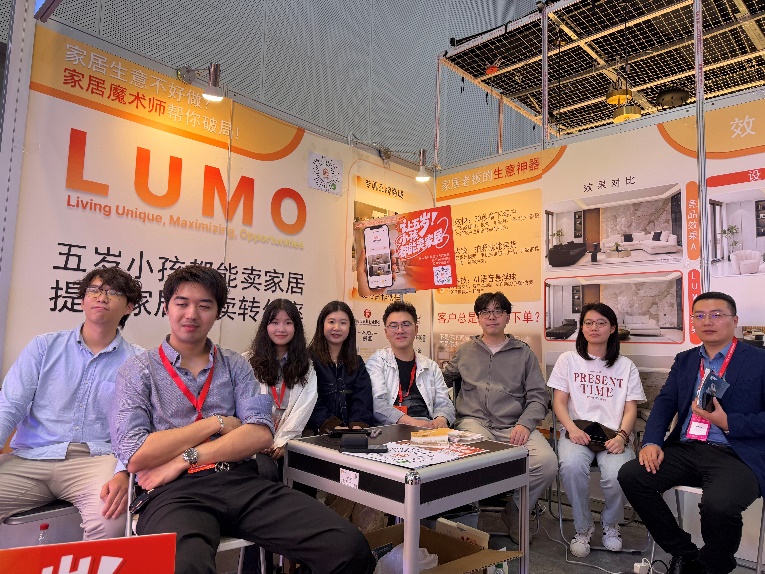
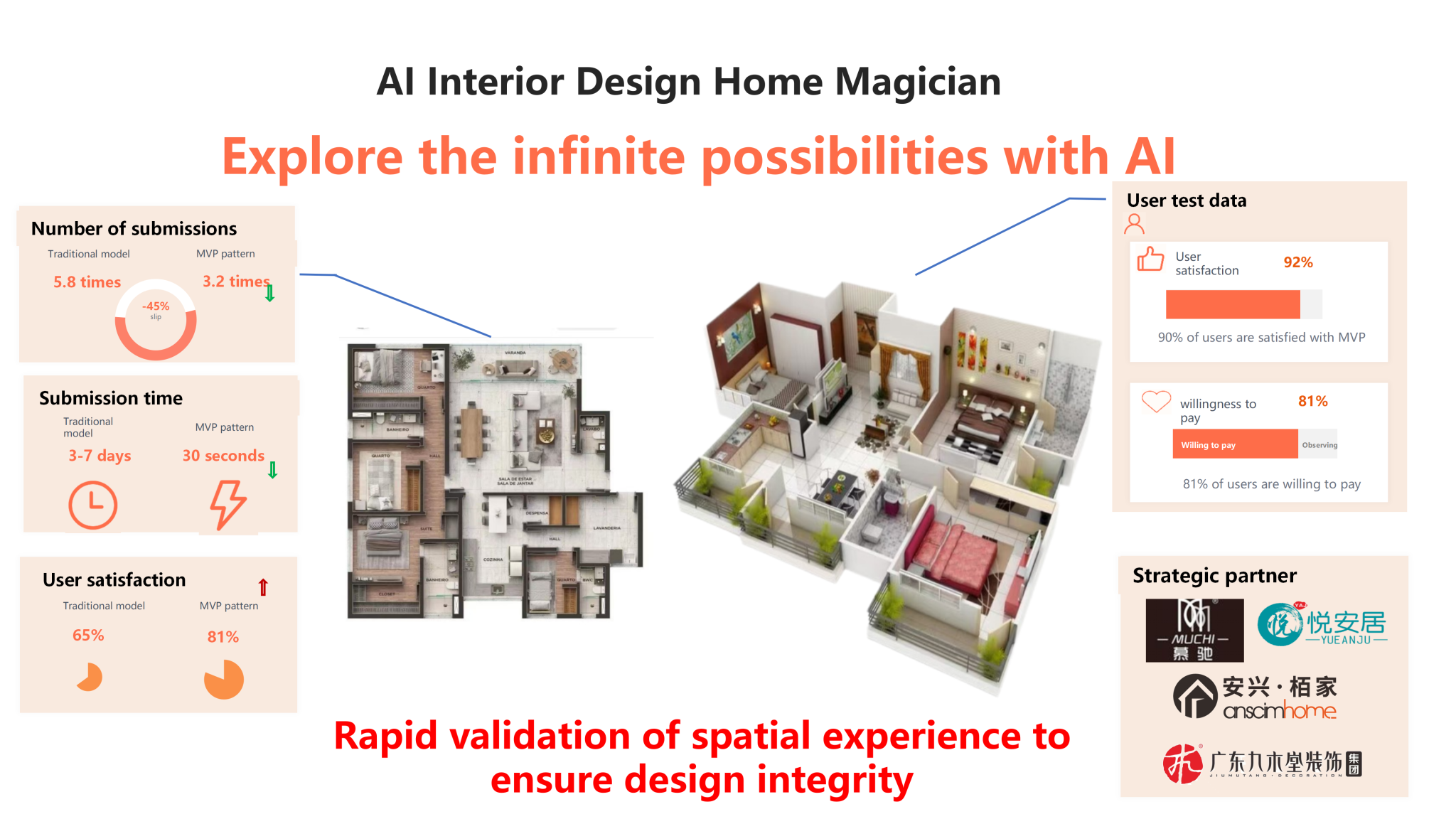
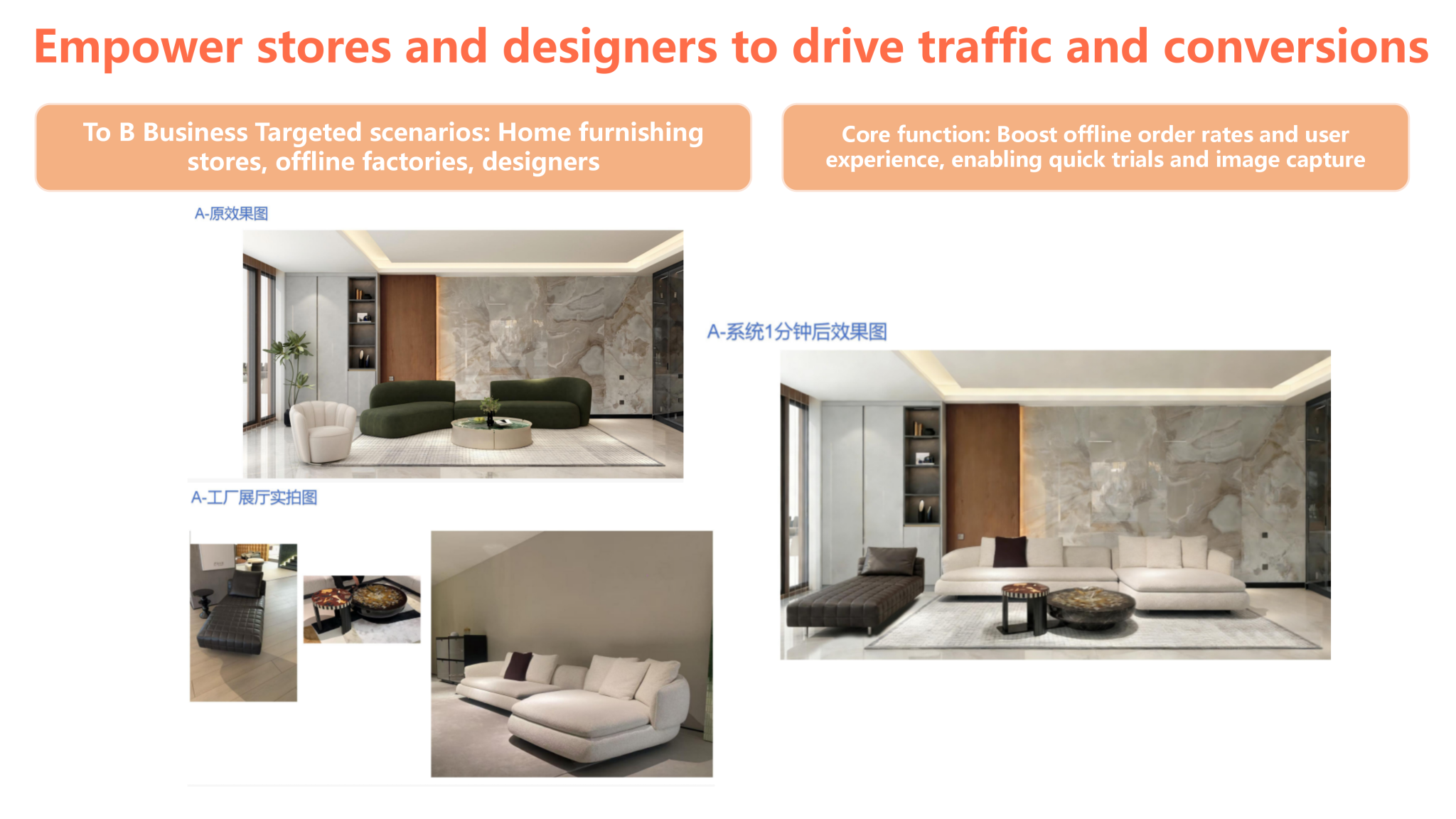
Lumotech is an AI interior design platform tailored for the B-end home furnishing industry. With just interior space images, it delivers magical home design experiences, solving the pain points of unvisualized overall matching effects, frequent revisions and low efficiency in traditional home decoration.
Leveraging LLM dialogue, 3D reconstruction and AIGC design technologies, it generates interior preview renderings in one minute, enabling holistic space preview, reducing trial-and-error costs, and boosting shopping guide credibility as well as users' purchase intention.
Student Research Areas
Jiazhe NI
Project management, business model design, team leadership
Yanshan LIU
Data analysis, algorithm research, and model optimization
Qiuting XIA
3D generation and spatial design implementation
Mingshuo LI
AIGC interaction process design and optimization



Project Team
Project Supervisor
Dr. Tongge HUANG
Academic Supervisor
Hui XIONG, Yingcong CHEN, Mingming FAN, Luwen YU
Team members
Ruochong LI, Mingze GAO, Ziyang MAI, Wenqing WANG, Honglei LIU
Project Overview
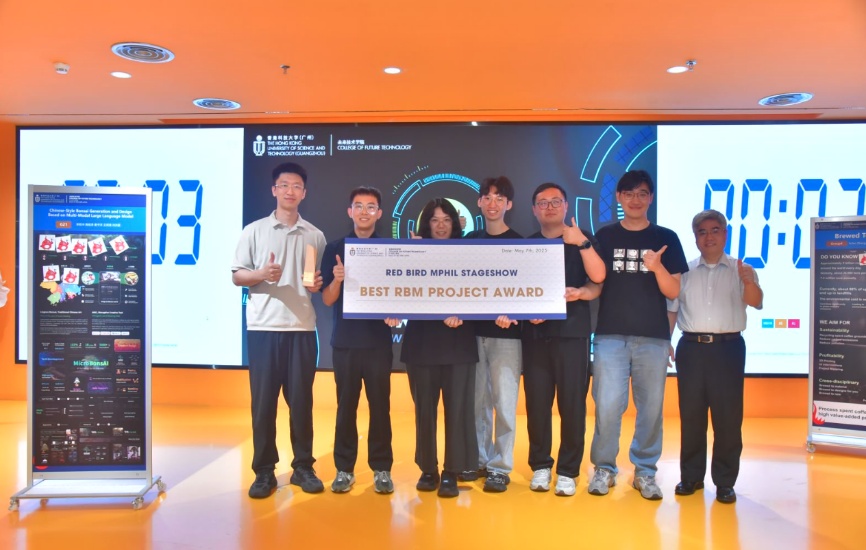
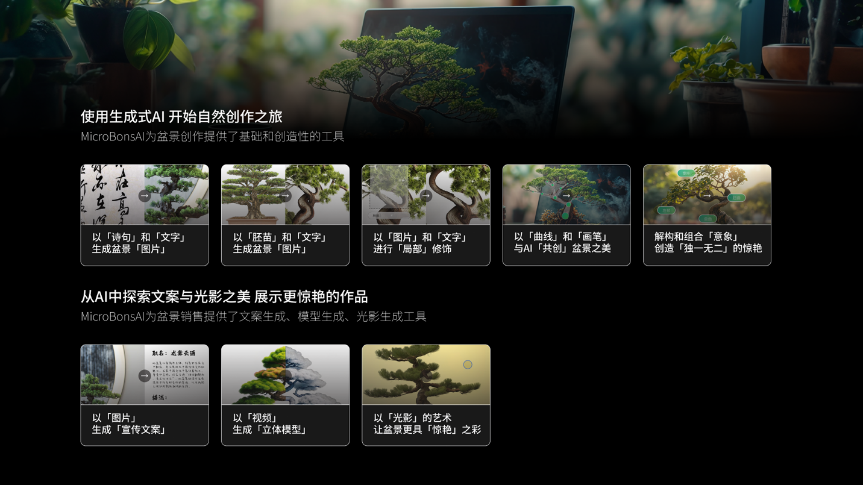
MicroBonsAI is an AI-powered bonsai design and sales support system for the Lingnan bonsai industry. It integrates AIGC, LLMs, MLLMs, HCI, and visualization design, covering bonsai knowledge base construction, generative model design and training, 2D/3D function development, multimodal intelligent generation, interaction design, visualization design, user study, and evaluation. It supports bonsai craftsmen, sales personnel, and customers in creative generation, design expression, interactive presentation, and marketing content production, promoting the digital and intelligent transformation of the traditional bonsai industry.
Honor and achievements
Recognized in the “Chuang Qingchun Guangdong ‘Hundred, Thousand and Ten Thousand Project’ Rural Revitalization Youth Entrepreneurship Competition”
Awarded “AI Rising Star” in the 2nd Baidu Wenxin Cup Entrepreneurship Competition
Selected as one of the first representative “AI+” cases by the Guangzhou Intelligent Computing Alliance
Student Research Areas
Ruochong LI
2D/3D fine-grained content generation, generative models, bonsai visual content modeling
Mingze GAO
Multimodal large language models, image generation, intelligent design
Ziyang MAI
Image semantic decomposition, personalized image generation, AI content generation
Wenqing WANG
User perception studies, emotion and aesthetics research, visual communication
Honglei LIU
Human-computer interaction, interactive AIGC systems, digital workflow design
Project Team
Project Supervisor
Dr. Qinghao HE
Academic Supervisor
Chang YAN, Dianxun XIAO, Jian ZENG, Jihoon SHIN
Team members
Sihao HUANG, Haoda XI, Leyin ZHOU, Yuelin KUANG, Caiyi SHEN, Min DENG
Project Overview
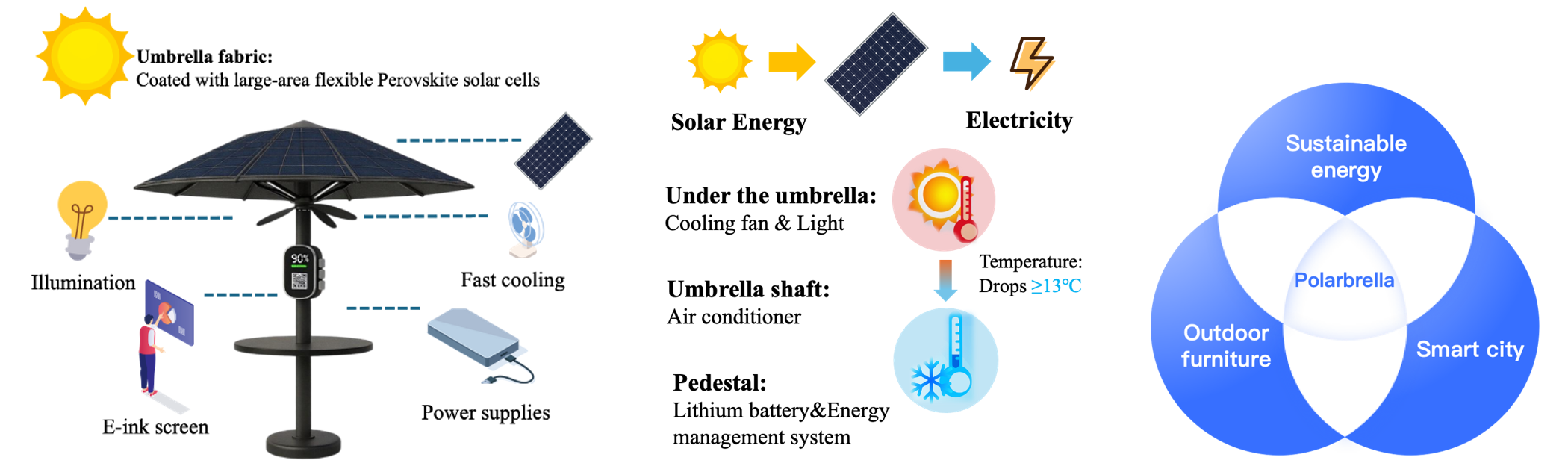
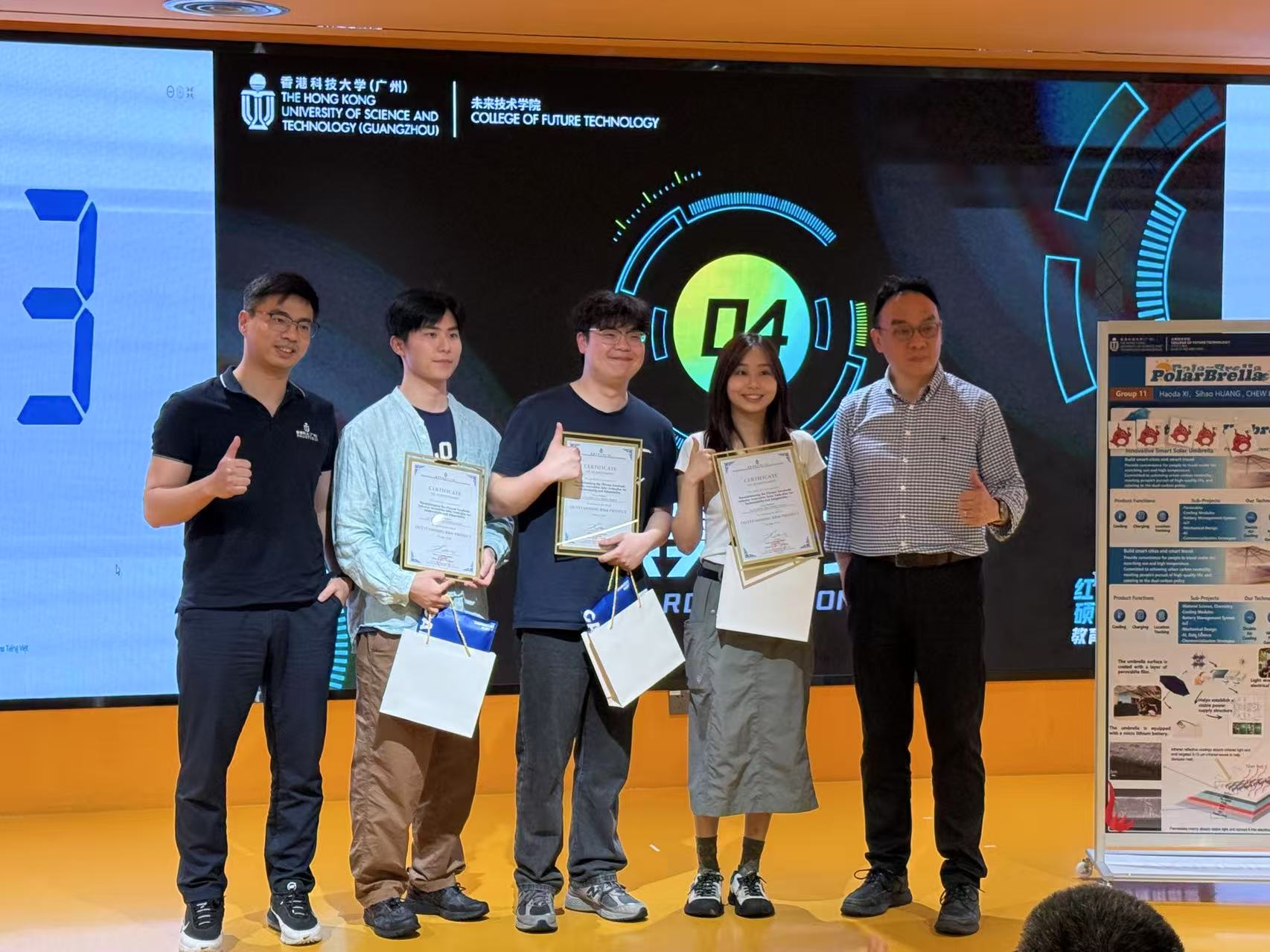
The Polarbrella Smart Sunshade is an innovative shading solution that integrates photovoltaic power generation with intelligent management. Equipped with an ultra-large (6㎡), highly efficient flexible perovskite module and a smart cooling system, it provides all-day shade while achieving an active temperature reduction of 5–8°C. Its built-in 1kWh energy storage module supports off-grid operation for up to 24 hours and incorporates smart features such as charging interfaces, IoT environmental sensors, and a replaceable e-ink advertising screen. Polarbrella is suited for diverse settings including urban parks, commercial plazas, and corporate campuses, meeting both municipal demands for low-carbon infrastructure and the need for distinctive experiences in commercial spaces. Multiple units can be combined to form a "Green Oasis Matrix," creating sustainably powered cool zones that redefine zero-carbon summer living through clean technology.
Honor and achievements
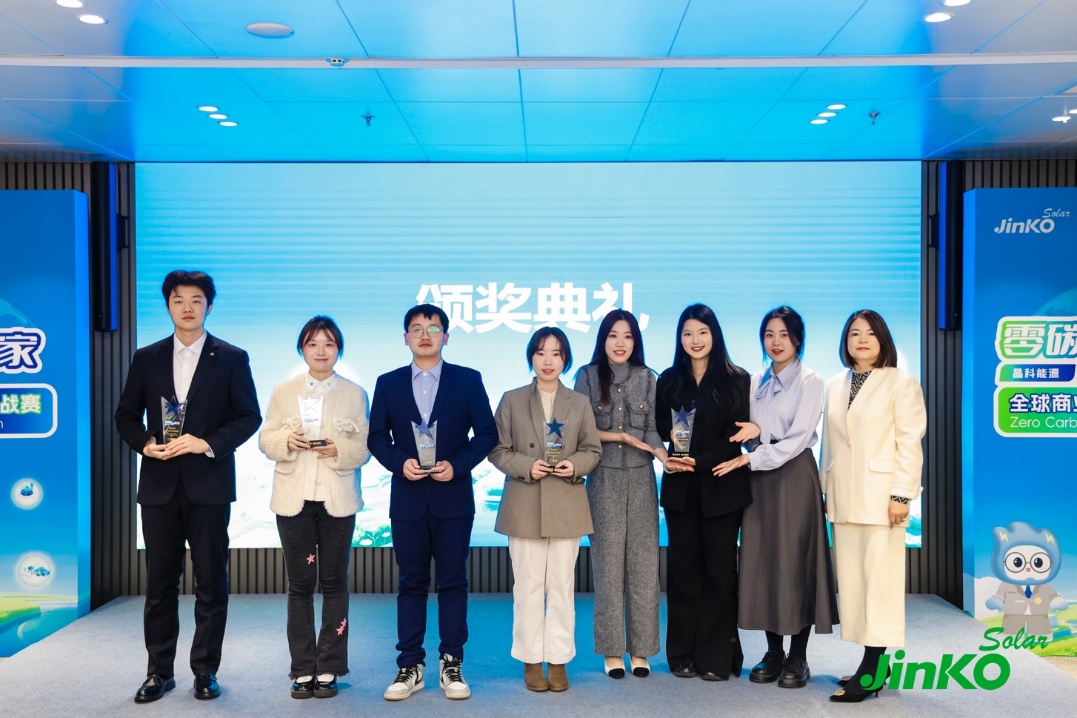
Awarded in 2025 Jinko Solar Global Business and Technology Challenge
Student Research Areas
Sihao HUANG
High Photoelectric Conversion Efficiency and Flexibility of Flexible Perovskite Solar Cells
Haoda XI
Advanced Algorithm Design for Battery State Estimation and Safety Management
Leyin ZHOU
The Interplay of Product and Technological Diversification in Market Entry of Xiaomi SU7: A Dynamic Capabilities Perspective on Chinese EV Enterprises
Yuelin KUANG
Fabrication of Large-Area Perovskite Solar Cells
Caiyi SHEN
A Study on the Relationship Between Carbon Emission Performance, ESG Disclosure and Financial Performance of Listed Energy Companies in the GBA
Min DENG
Measurement of China’s Export Efficiency and Potential of Photovoltaic Products to RCEP Countries


Project Team
Project Manager
Prof. Kang ZHANG
Project Supervisor
Prof. Jinni ZHOU, Prof. Beijinni LI
Team members
Ka Man CHOI, Yu DAI (Hong Kong University of Science and Technology (Guangzhou));
Hui SU, Haoran SUN, Chenyi ZHANG (China Academy of Art)
Disciplines Involved
Hong Kong University of Science and Technology (Guangzhou) & China Academy of Art Joint Design Thinking Program
Project Summary
Background
As a national intangible cultural heritage, Xiangyunsha Dyeing and Coating Technique is still facing the dilemma of being rarely known to the public, especially the young generation. To arouse people's attention and interest in the intangible cultural heritage, we proposed to set up an Xiangyunsha Art Installation with an area of about 2 square meters in public areas, like airports and high-speed railway stations, to promote the values of Xiangyunsha to visitors and local citizens. The combination of "virtual and reality" enables users to experience the intricated dyeing and coating process of Xiangyunsha. By combining these with AIGC technology, unique patterns will be generated according to the user’s VR exploration, so each user will get a personalized Xiangyunsha memento. The goal is to let users understand the history, craftsmanship and cultural value of Xiangyunsha through immersive experience and interactive learning, to stimulate people's interest and explore the methods of cultural inheritance of intangible cultural heritage.
Methods and Technology
The project utilizes a linear interactive timeline, combining virtual reality, generative art, and laser engraving to form a Xiangyunsha moving installation. Using VR, the geographically and time-bound process of making Xiangyunsha becomes virtual and gamified for the audience to experience. The method simulates the time it takes for the craftsmen to wait for the weather integrating the 5 main making steps in the production process, allowing the audience to feel the value of the craft better. More importantly, the user must complete the entire making experience to generate and engrave a personalized memento, symbolizing the preciousness of craftsmanship behind Xiangyunsha.


Group Deliverables
Through interdisciplinary collaboration, students from different thrusts and backgrounds such as Computational Media and Arts, Electrical Engineering and Design, integrated with Virtual Reality, Generative Art and Laser Engraving technologies, successfully developed an Interactive Installation for Xiangyunsha. We aim to break the limitations of time and weather, so users and audiences can understand the value of the intangible cultural heritage and preserve this sustainably. The interaction not only aims to stimulate interest in the culture of Xiangyunsha but also innovate the method of dissemination and transmission of intangible cultural heritage.
Deepening our knowledge in our respective areas of expertise, we learned from each other's specialized skills. In an interdisciplinary and collaborative environment, we worked together to understand and integrate knowledge and techniques, which facilitated the multi-directional implementation of the project. With design thinking strategies, we went back and forth between problem definition, understanding stakeholders, and idea and prototype development with project planning, execution, and evaluation. We enhanced our project management skills, including time management, resource allocation, and task coordination, to ensure that projects were completed on time, which was 2.5 weeks for brainstorming and planning and only 1.5 weeks for implementation. Confronting technical and design challenges, we demonstrated creative thinking and problem-solving skills, where we successfully applied virtual reality, generative art and laser engraving techniques to balance our technological integration and aesthetic concerns.
In addition, we trained our communication and presentation skills in project collaboration and presentations, not only in our team but also externally for interviews on the streets. Through the in-depth research of Xiangyunsha, we are interested in exploring new methods of inheritance on intangible cultural heritage.

Messages from the team
Applying technology and interaction, we hope to integrate technology to pass on culture from understanding existing problems and personas, rather than replacing craftsmanship itself with technology.
– XAI Group



Project Team
Project Manager
Prof. Kai Zhang
Project Supervisor
Prof. Jinni Zhou
RBM 1st Cohort
Academic Supervisor(s)
Team members
Kai ZHANG, Chengyang LI, Guoyang ZHAO, Yujie ZHOU, Mandan CHAO
Project Summary
Background
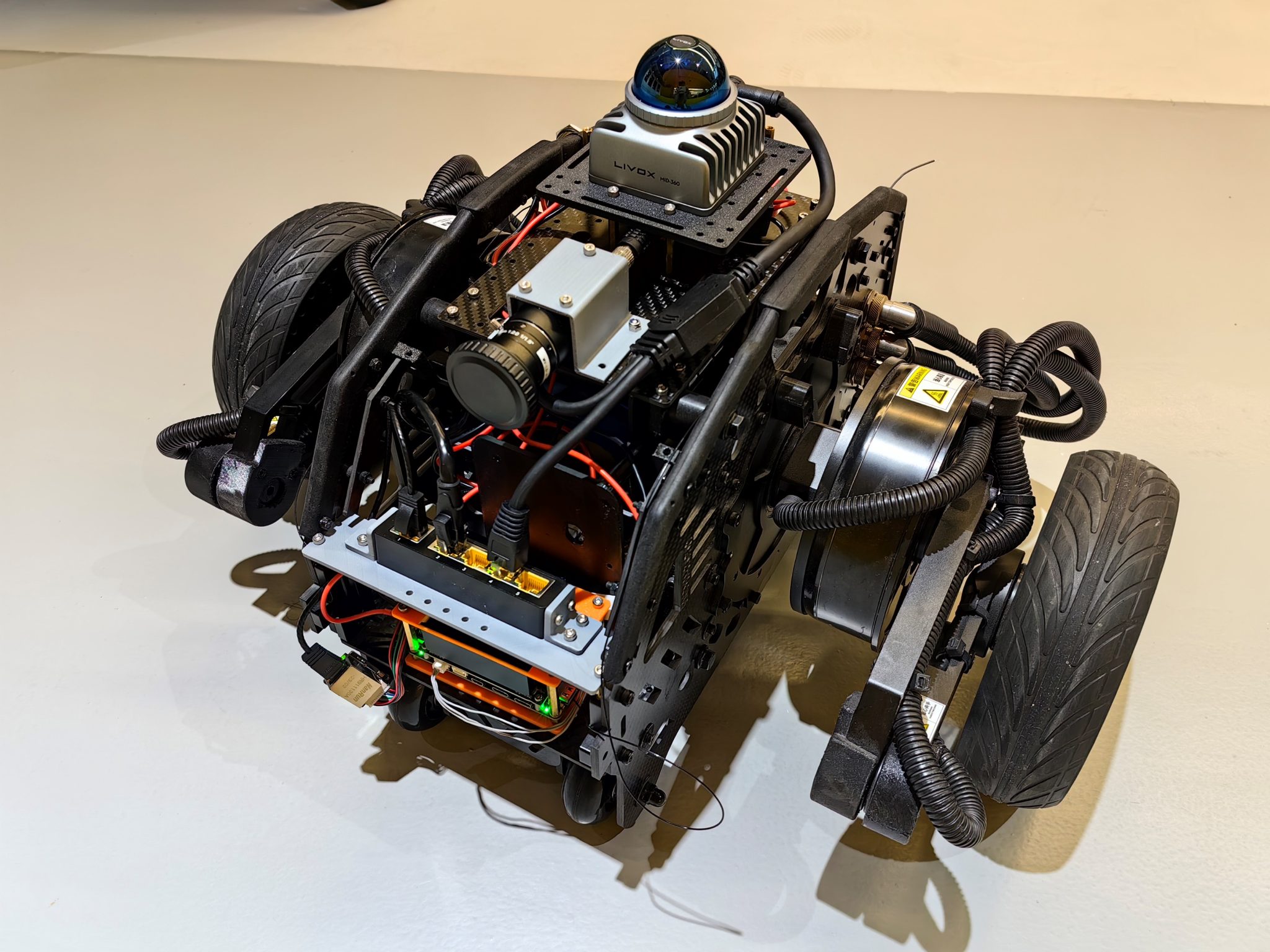
Unmanned patrol vehicles represent a significant advancement in the field of security and surveillance. These systems are designed to operate without direct human intervention, by leveraging sophisticated automation technologies. The development of Unmanned patrol vehicles addresses the growing need for efficient, continuous, and reliable surveillance in various settings. By reducing the reliance on human patrols, these vehicles enhance safety, reduce operational costs, and provide real-time data collection and analysis.
Methods and Techonology
Localization and Mapping - Use multi-modal sensor data to generate motion estimation and a 3D map of the environment.
Perception - Use deep learning to interpret the environment and recognize objects.Planning and Control - Make the robot move without collision.
Group Deliverables
All members of the group obtained extensive training from hands-on hardware and software development of an autonomous vehicle. We have practically expereinced a long-term team project involving the application of a large range of skill set and knowledge discipline.
Project Video
Project Team
Project Manager
Prof. Jingshen WU
SMMG
Project Supervisor
Dr. Ke XUE
RBM
RBM 1st Cohort
Academic Supervisor(s)
Team members
Zibo LIN, Yuhang YUAN, Chenyuan LUO, Zhenlin ZHONG
RBM 2nd Cohort
Academic Supervisor(s)
Team members
Minghao SHAO, Hongda HUANG, Linxue TONG
Project Summary
Background
The widespread application of disposable packaging such as corrugated cardboard boxes in logistics has greatly facilitated people's production and life. However, the large amount of packaging waste generated poses a challenge to the sustainable development of human society. In response to the current high economic cost and significant environmental impact of disposable logistics packaging, this project aims to achieve packaging reduction and greening in various logistics scenarios through recyclable digital logistics turnover boxes. It also aims to improve the efficiency of the logistics system by coupling RFID and other IoT technologies with big data analysis, thereby achieving the goal of cost reduction, carbon reduction, and efficiency enhancement.
Methods and Techonology
The project's initial aspiration is to offer a suite of eco-friendly and intelligent logistics packaging solutions to the industry. It is designed systematically and encompasses a comprehensive layout of key nodes across the entire industry chain, such as material modification, equipment manufacturing, chip design, and the establishment of logistics systems. The project aims to tackle each critical node with small teams of two to three members, facilitating a chain-like synergy of innovation.
Group Deliverables
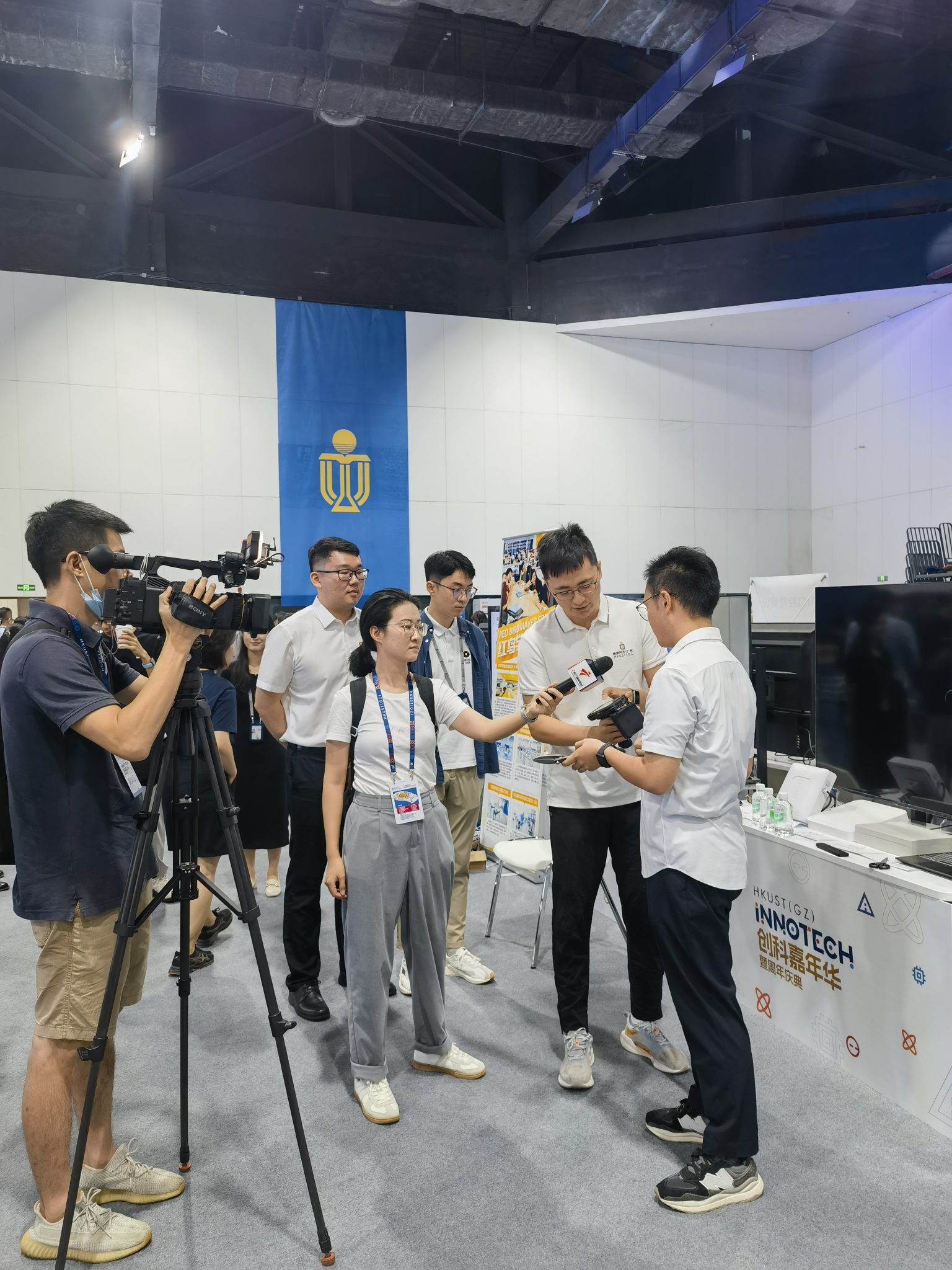
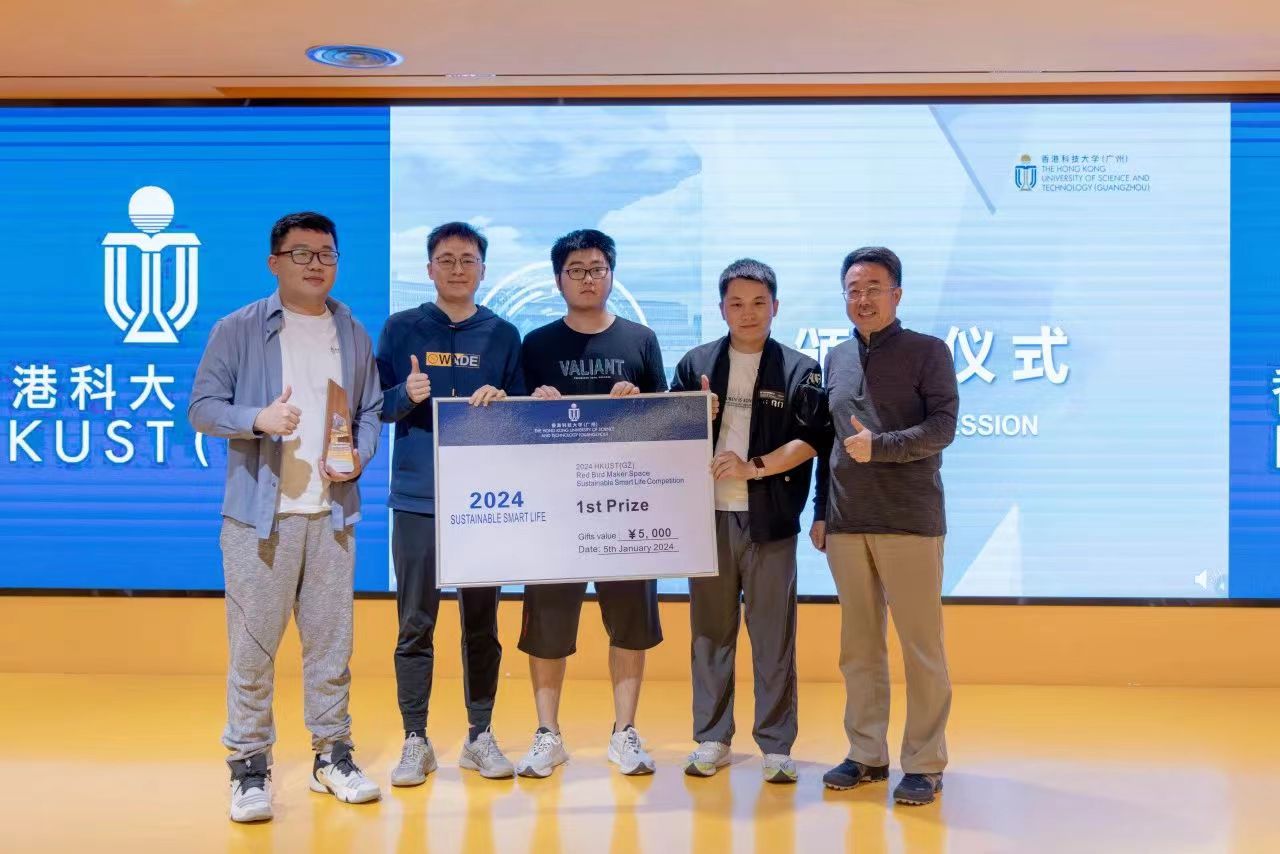
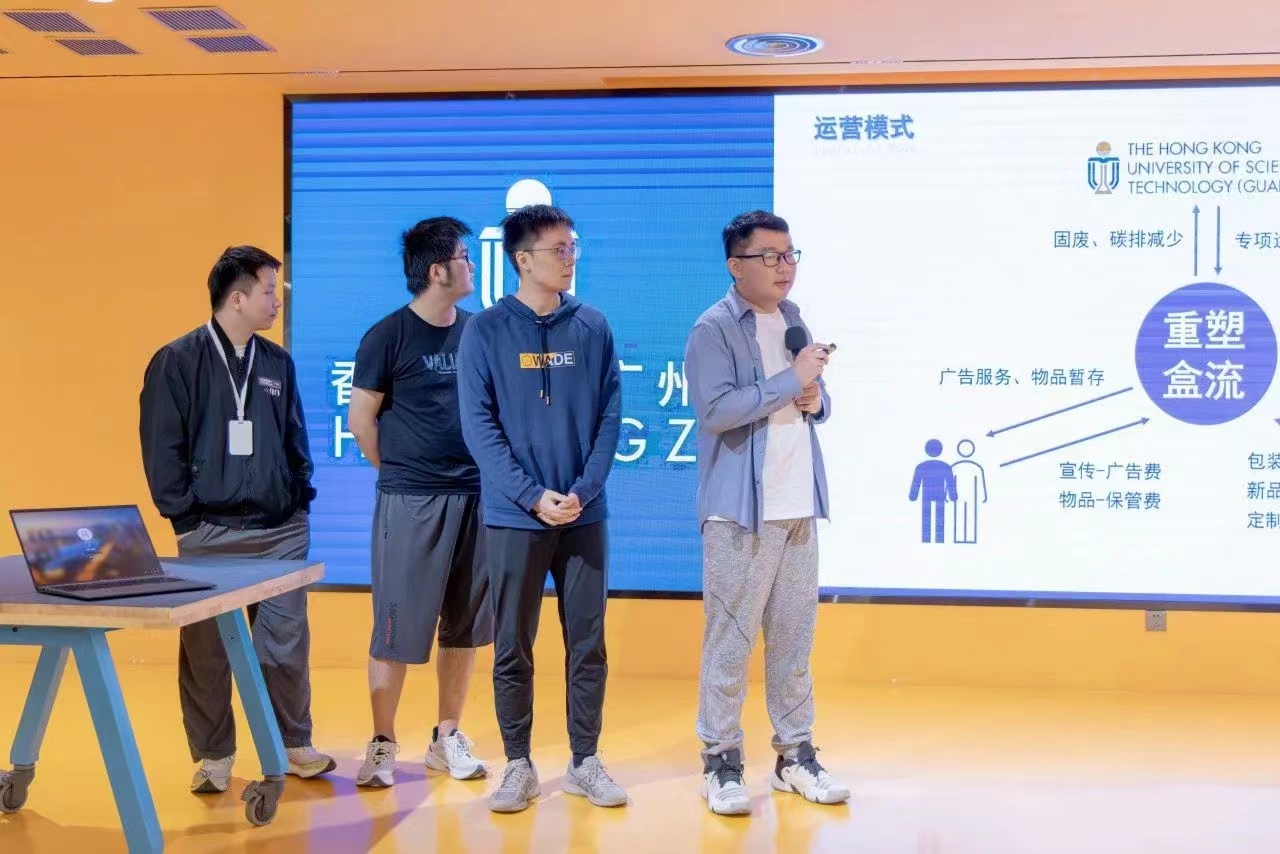
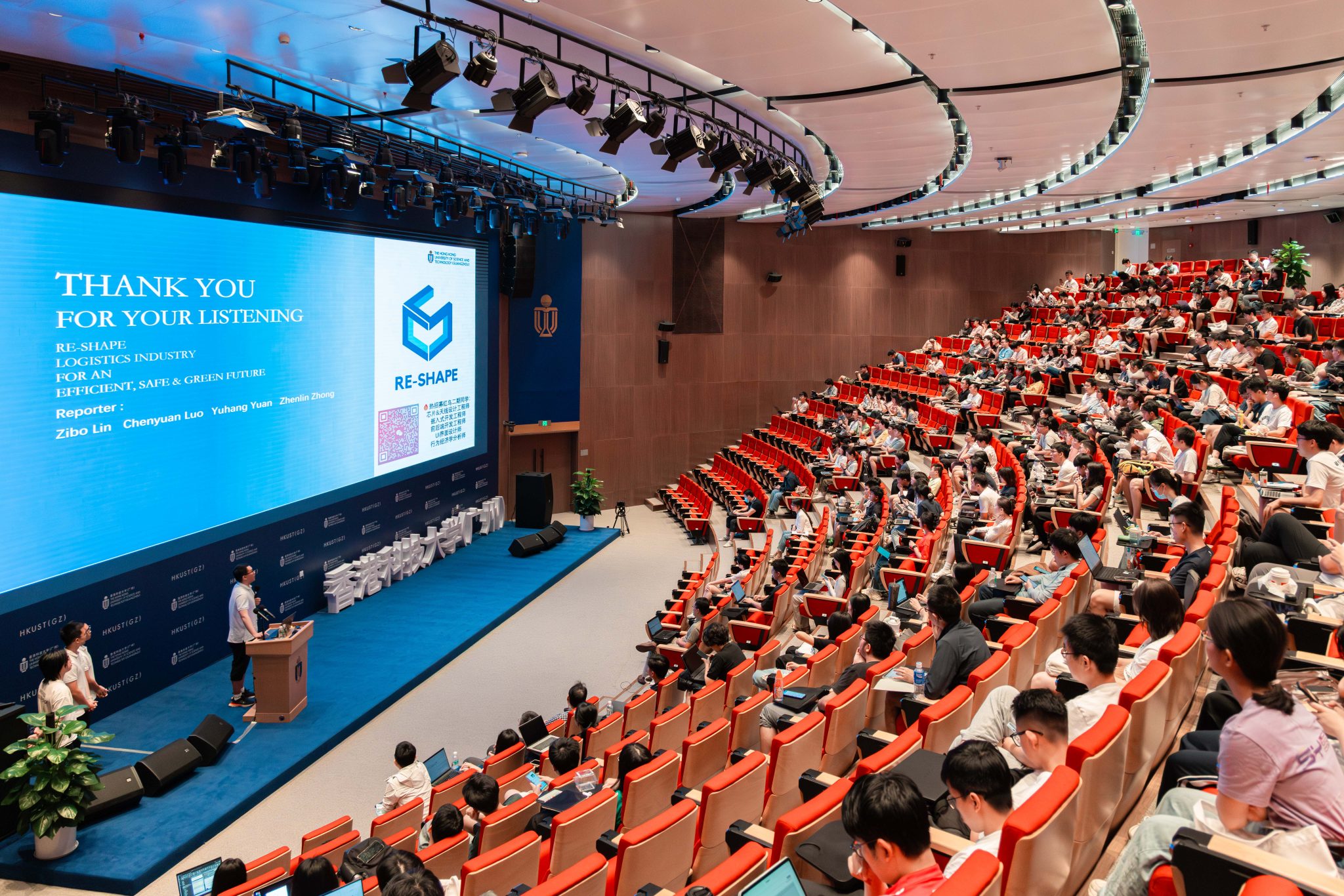
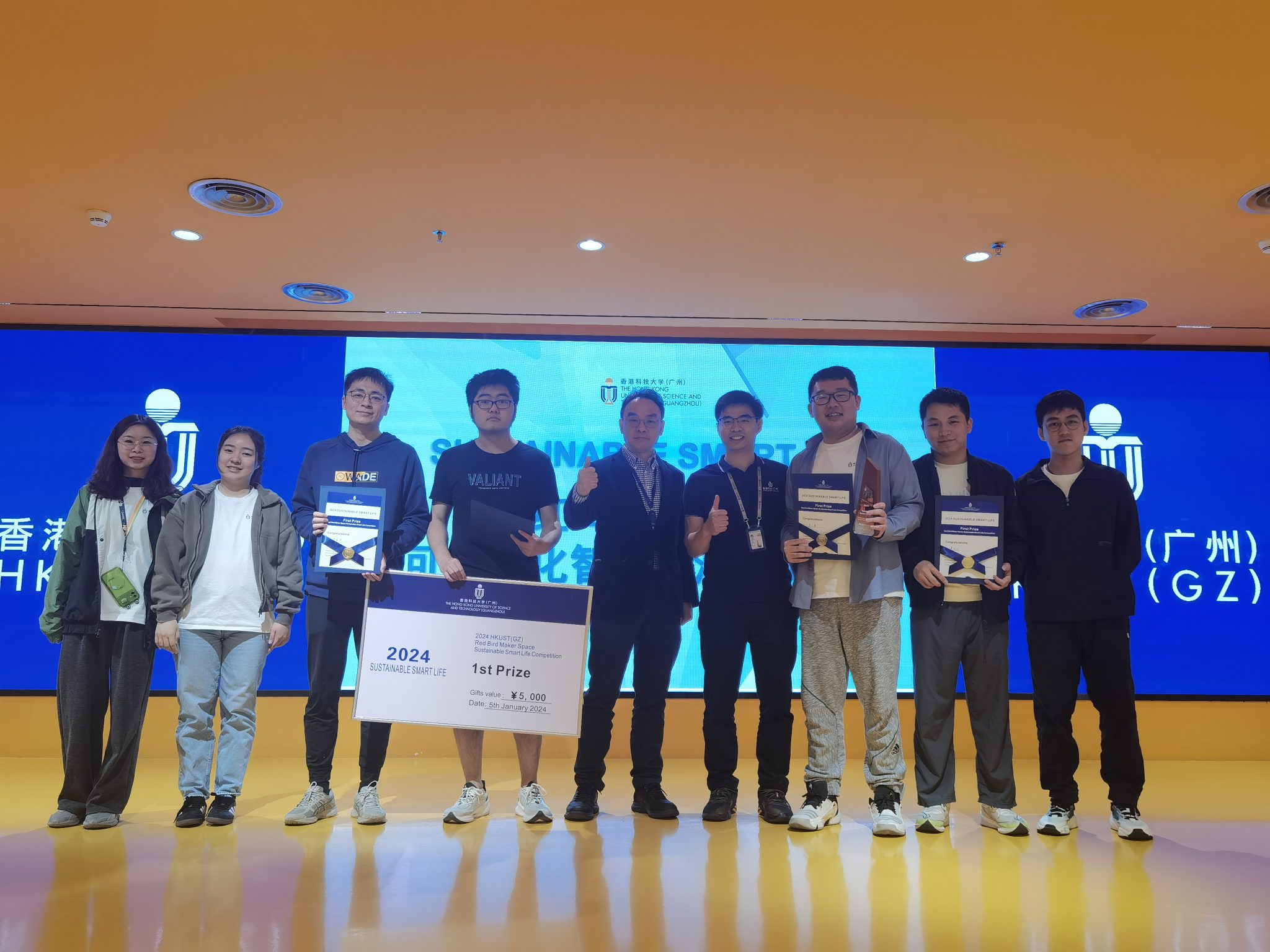
Through preliminary division of labor and field research, the team designed and initially set up a smart packaging management system based on recyclable turnover boxes for the campus food delivery scenario, reducing the use of disposable plastic bags and enabling the circular use of delivery packaging. The project won the first prize in the Campus Sustainable Smart Living Competition and was highly praised by the judges.
In the various stages of project initiation discussions, field research, plan implementation, and project roadshows, students from different academic backgrounds actively engaged in discussions, generating many sparks of inspiration. Guided by the mentors of the project team and through the concerted efforts of the students, students with a background in business and social sciences have gained a clearer understanding of how to progressively implement a project through technology and design. Students with a background in science and engineering have also learned more about considering the costs of project implementation and the potential for future commercial value in the process.