
Under construction …

Under construction …

基柱项目

Embodied Intelligence for Real-World Service and Production

Dr. Tongge Huang

tonggehuang@hkust-gz.edu.cn

Assistant Professor of Practice, Lecturer I

Associate Head, Lab of Future Technology

College of Future Technology, HKUSTGZ

Background & Significance

Embodied AI is moving rapidly from laboratory demonstrations toward real-world deployment.

Advances in humanoid robots, multimodal AI, sensing, control, and low-cost robotic platforms are enabling intelligent systems to perceive, reason, interact, and act in physical environments. The key challenge is increasingly shifting from “Can a robot perform an action?” to:

“Can a robotic system operate reliably, continuously, safely, and economically in the real world?”

This project explores this challenge through real service and production environments, including campus and community services, industrial production, and challenging environments such as mines and tunnels. For students, the project provides an opportunity to work with real robotic platforms, explore open-ended interdisciplinary problems, and move from ideas to physical prototypes and real-world validation.

Core Problem & Application Directions

Central Question

How can we design, build, and deploy affordable, reliable, and human-centered embodied AI Intelligence for real-world living and production environments?

2.1

Direction 1 — Autonomous Service & Inspection

Imagine a robot that can patrol the campus, deliver items, provide information, or respond to abnormal events — not just once in a demo, but reliably every day. Real environments are dynamic: people move, routes change, unexpected events happen, sensors may fail, and hardware wears over time. We can start from a concrete campus or community task and explore how AI, robotics, interaction, hardware, and system reliability must work together to make embodied systems useful in the real world. The same ideas can later be extended to more challenging environments such as mines, tunnels, and hazardous inspection areas.

Example Applications

  • Patrol & Inspection
  • Delivery
  • Information Service
  • Human-Robot Interaction
  • Safety Monitoring
2.2

Direction 2 — Embodied Intelligence for Industrial Production

Factories already use large numbers of robots, but many seemingly simple tasks remain difficult when objects vary, physical contact matters, or unexpected failures occur. Inserting a connector, handling flexible components, or recovering from a failed grasp requires much more than repeating a programmed motion. We can choose a real production task and investigate what perception, reasoning, control, physical interaction, and system design are needed for a robot to complete the whole task robustly under uncertainty.

Example Applications

  • Material Handling
  • Connector Insertion
  • Fine Manipulation
  • Flexible Assembly
  • Industrial Inspection
  • Failure Handling

Existing Resources & Works

The project is supported by a dedicated 6/F Maker Space, providing an experimental environment for robotic system development, integration, prototyping, testing, and iterative deployment.

Current Platforms & Resources

  • Astribot S1
  • Unitree G1
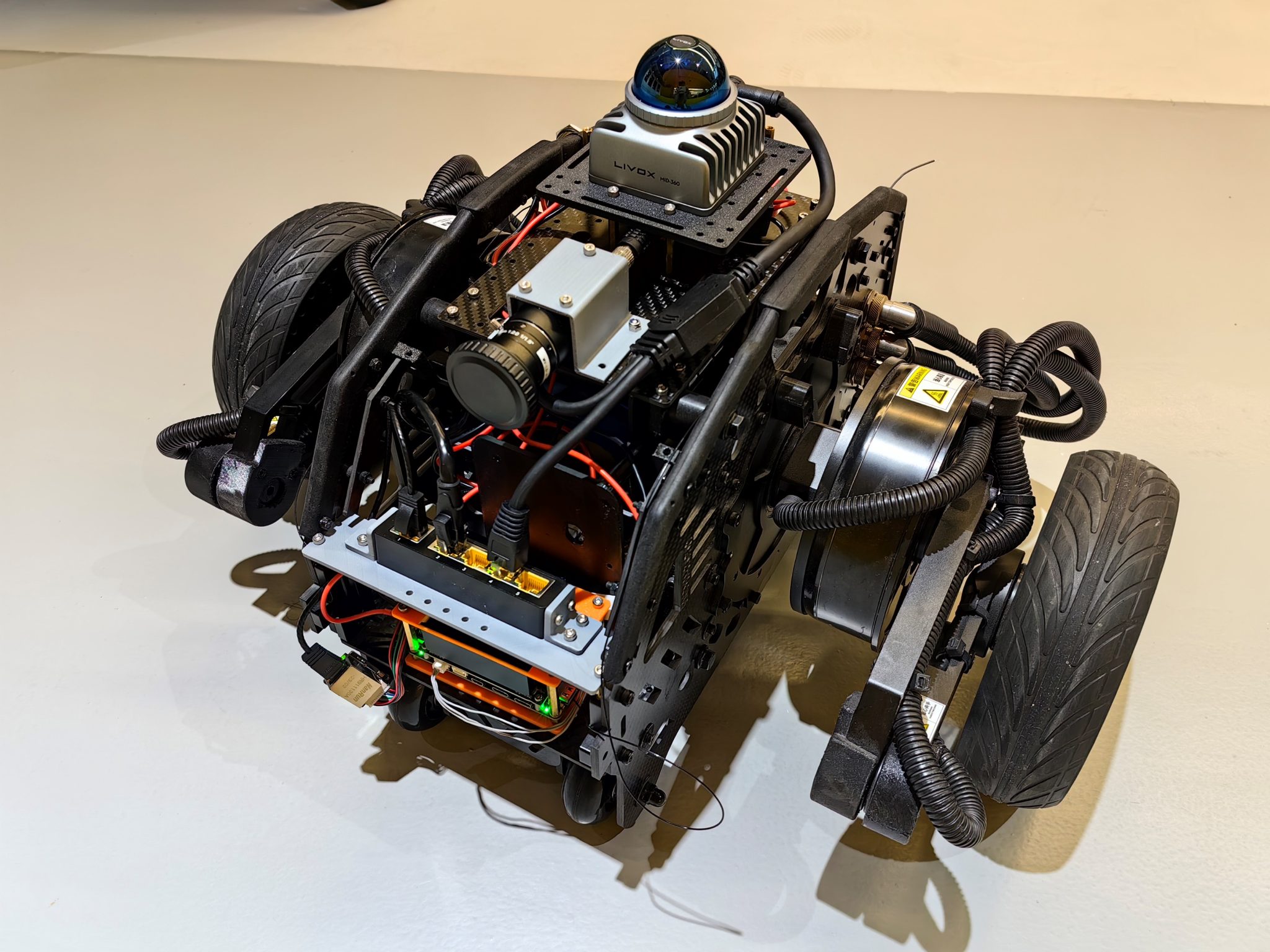
  • Mobile robotic platforms
  • Sensing and computing resources
  • Physical prototyping and testing facilities
  • HPC & etc.

Selected Awards

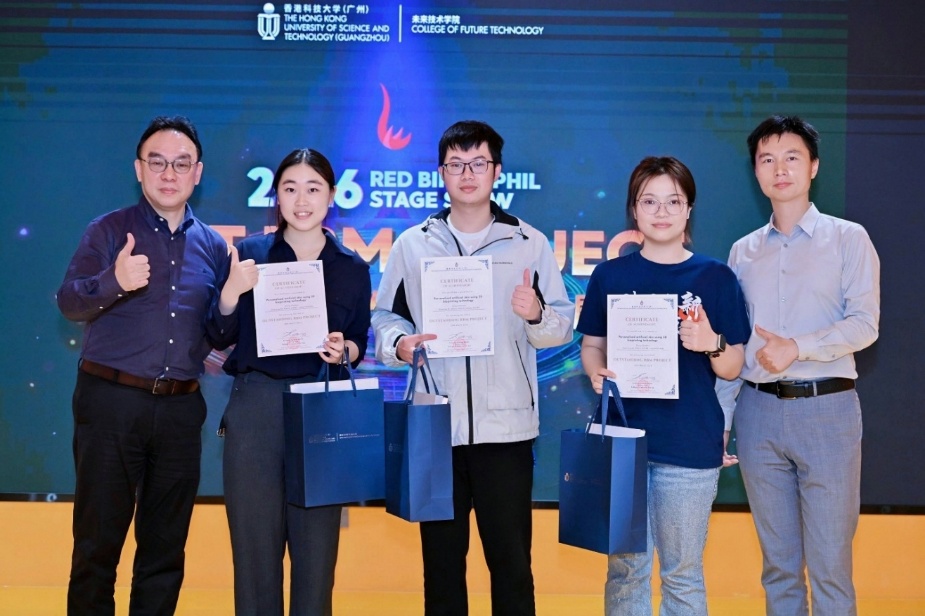
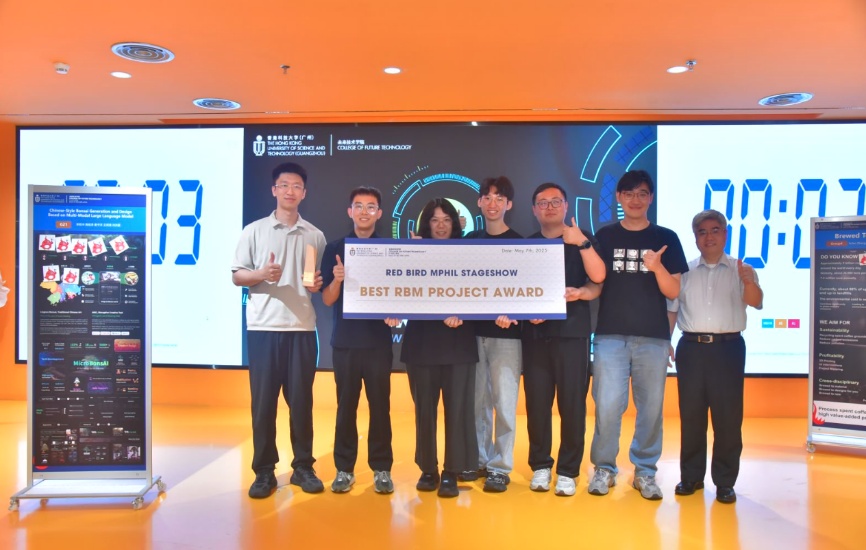
  • Best RBM Project Award
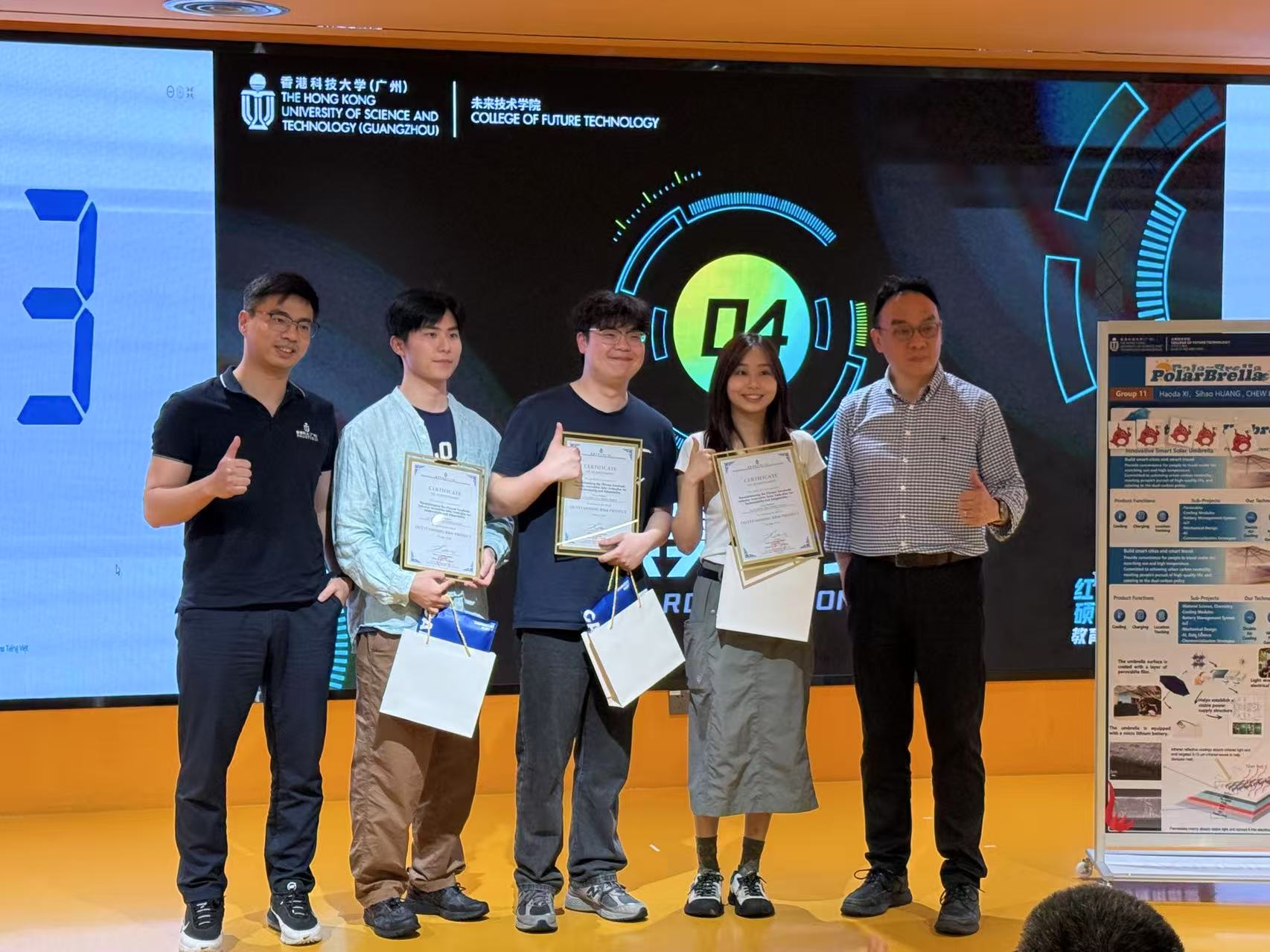
  • Outstanding RBM Project Award
  • Geneva Inventions Gold Medal
  • Greater Bay Area Innovation Recognition
  • RBMS Competition Awards
  • CES 2025 Innovation Award
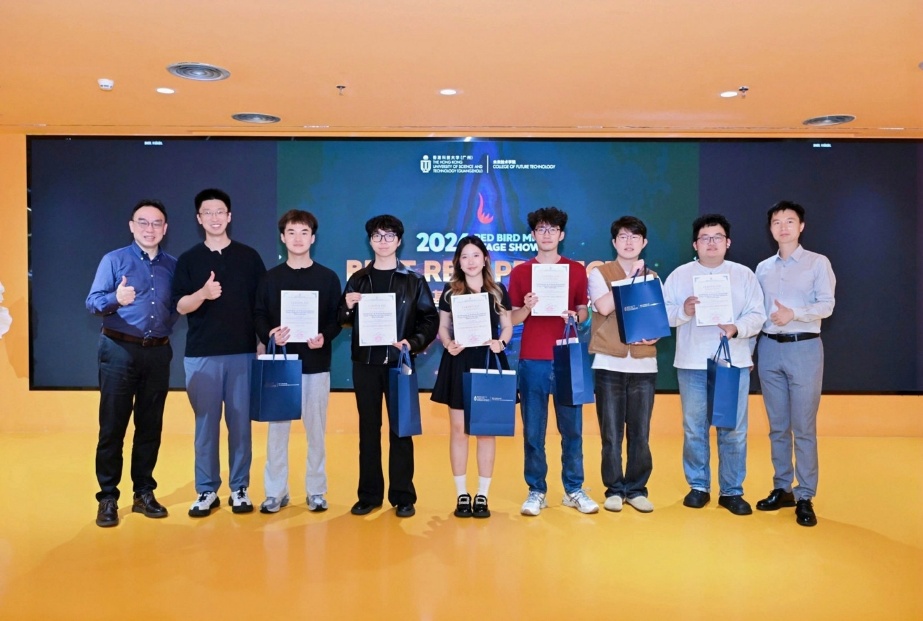
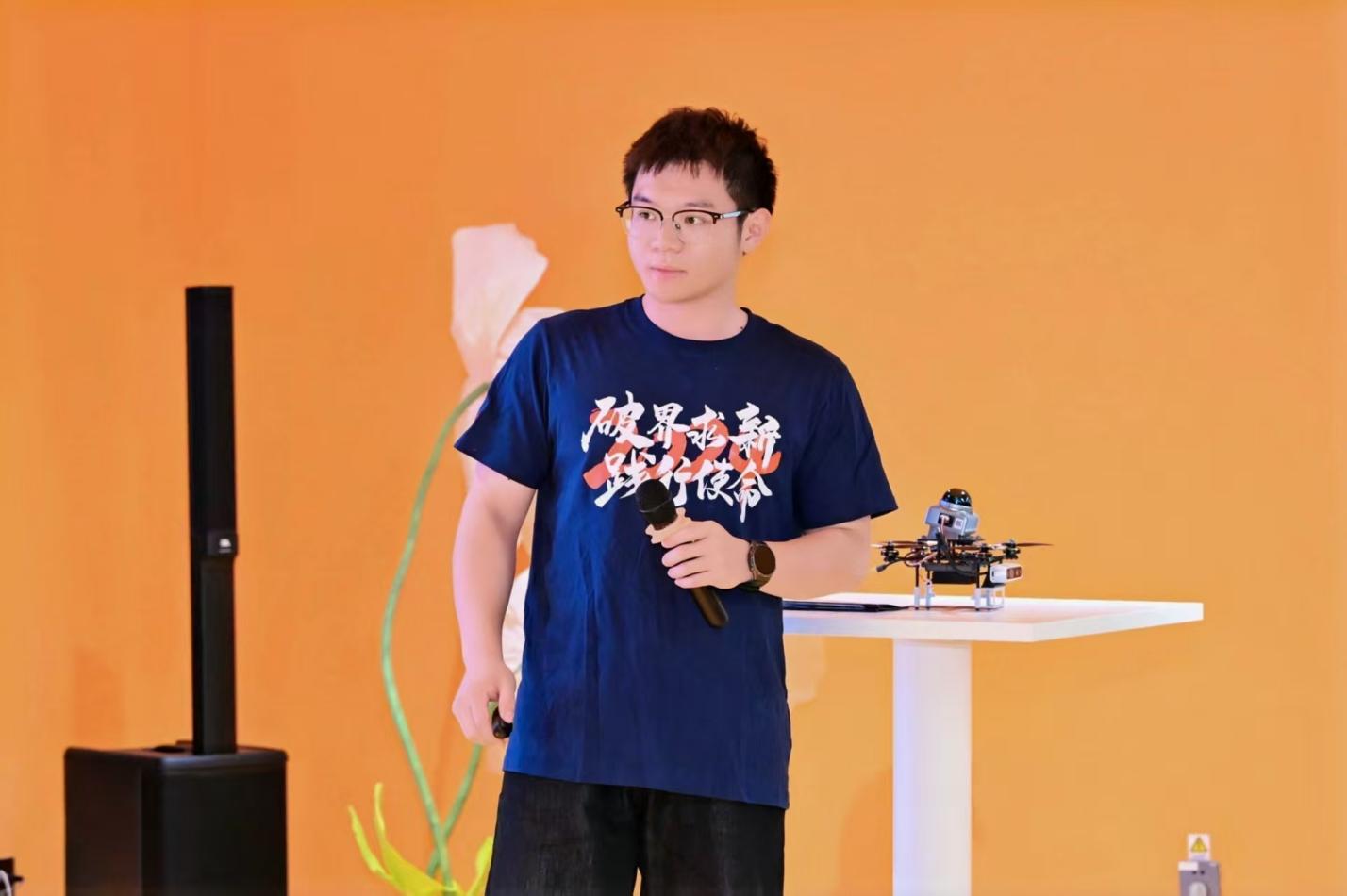
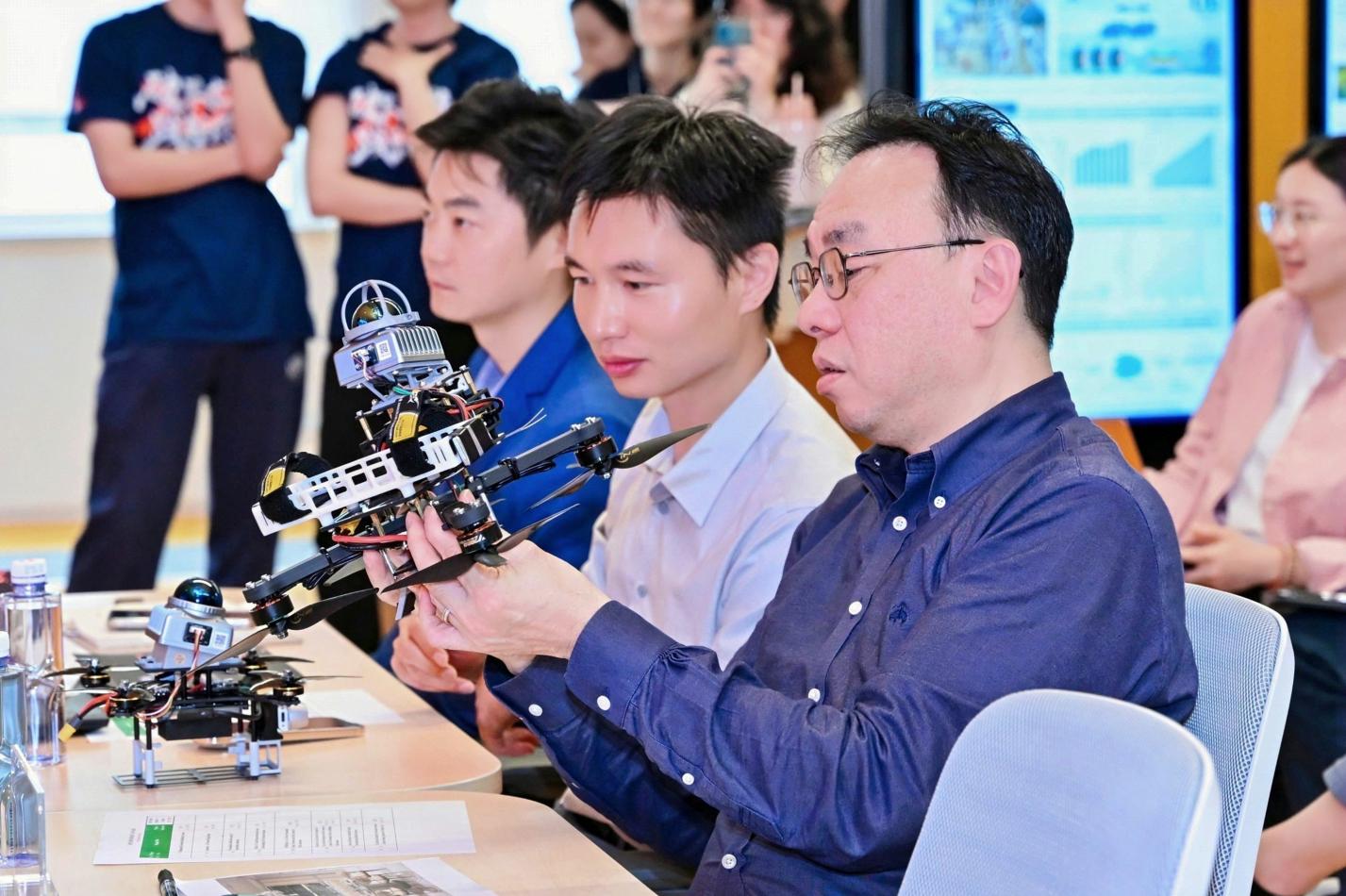
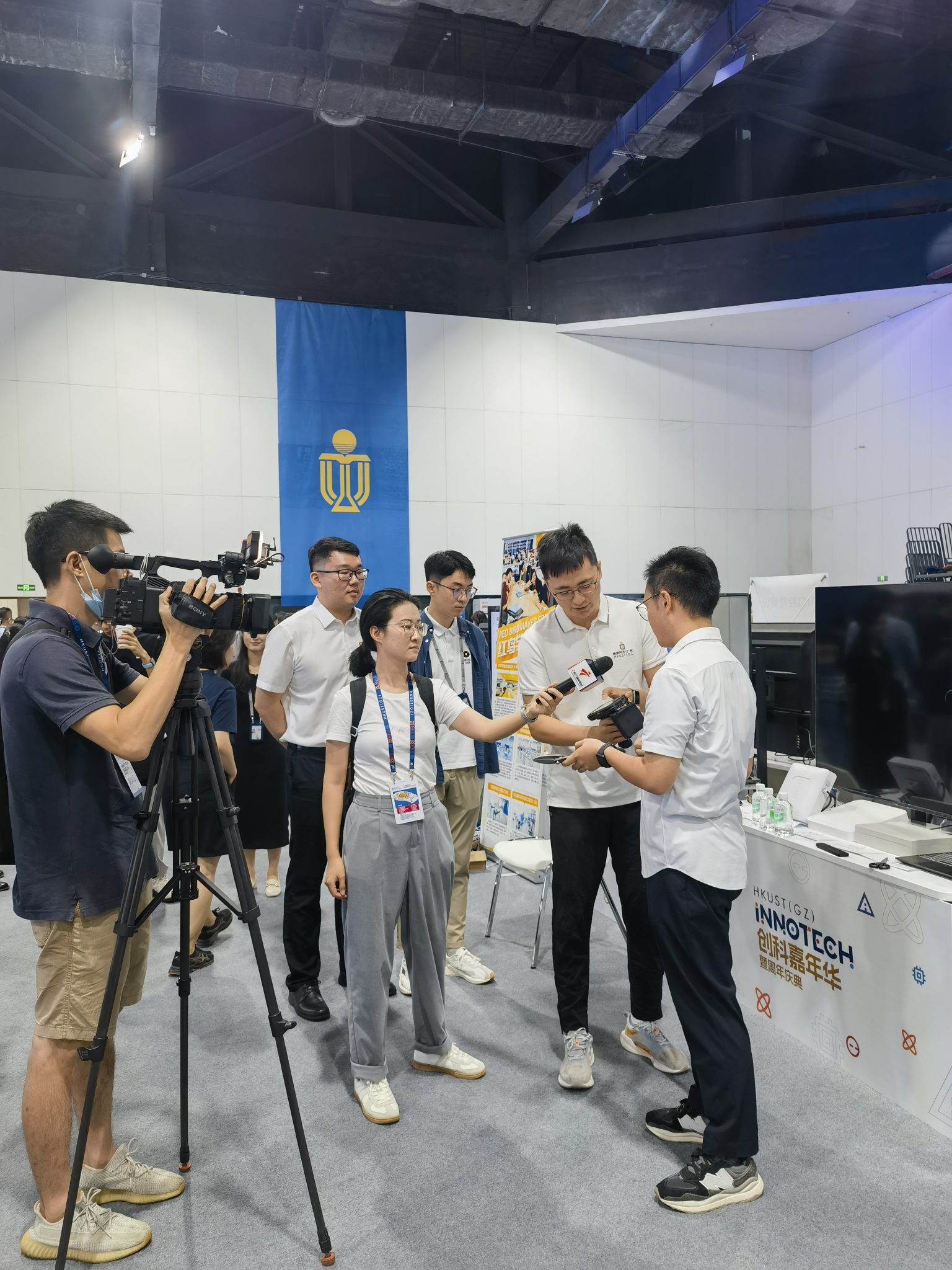
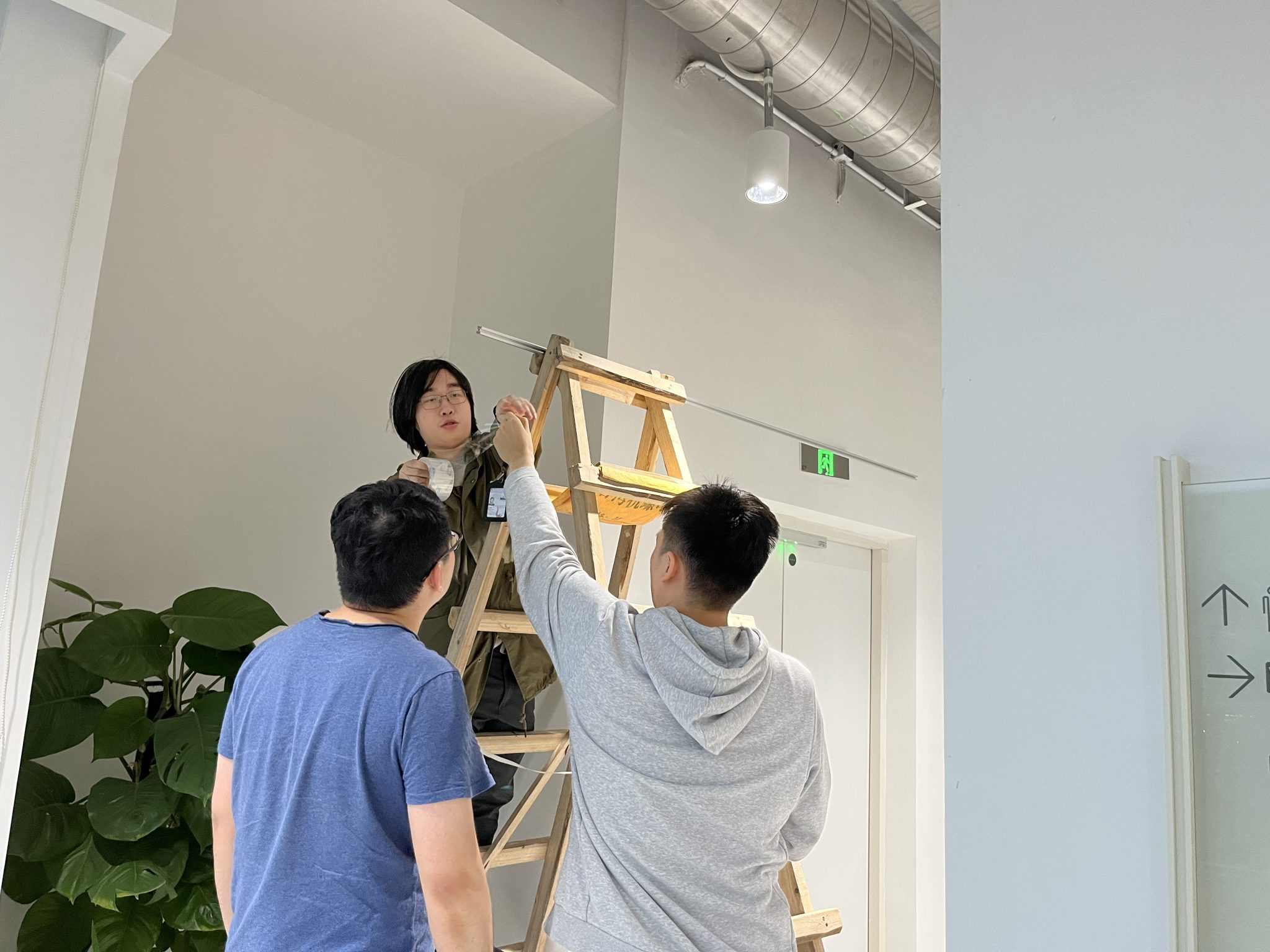
Original project photographs showing robotic platforms, Maker Space and testing environments, demonstrations and selected achievements.

Three-Semester PBL Framework
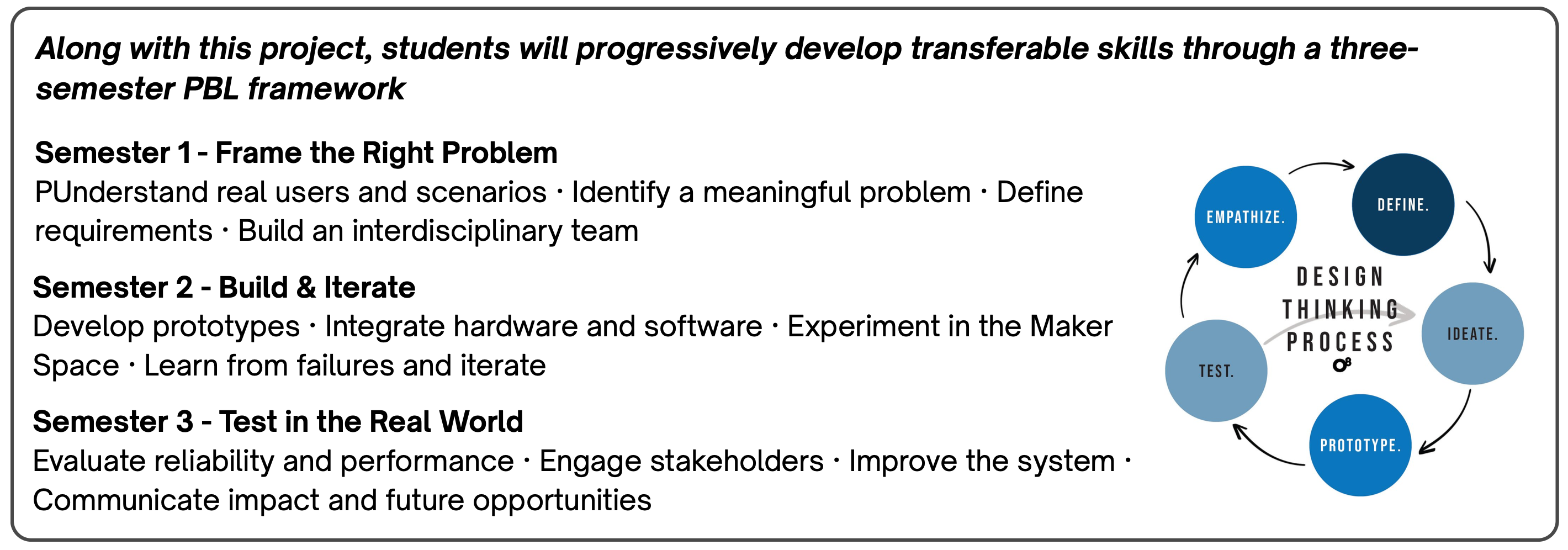
Three-semester PBL framework. Semester 1 — Frame the Right Problem: understand real users and scenarios, identify a meaningful problem, define requirements, build an interdisciplinary team. Semester 2 — Build & Iterate: develop prototypes, integrate hardware and software, experiment in the Maker Space, learn from failures and iterate. Semester 3 — Test in the Real World: evaluate reliability and performance, engage stakeholders, improve the system, communicate impact and future opportunities. Accompanied by the design thinking cycle: Empathize, Define, Ideate, Prototype and Test.

人员介绍

项目导师

黄同舸

学术导师

熊辉、陈颖聪、王浩、叶纪文 

项目成员

陈彩怡、姚兴博、马宇森、杜雨新、王子健

项目核心介绍

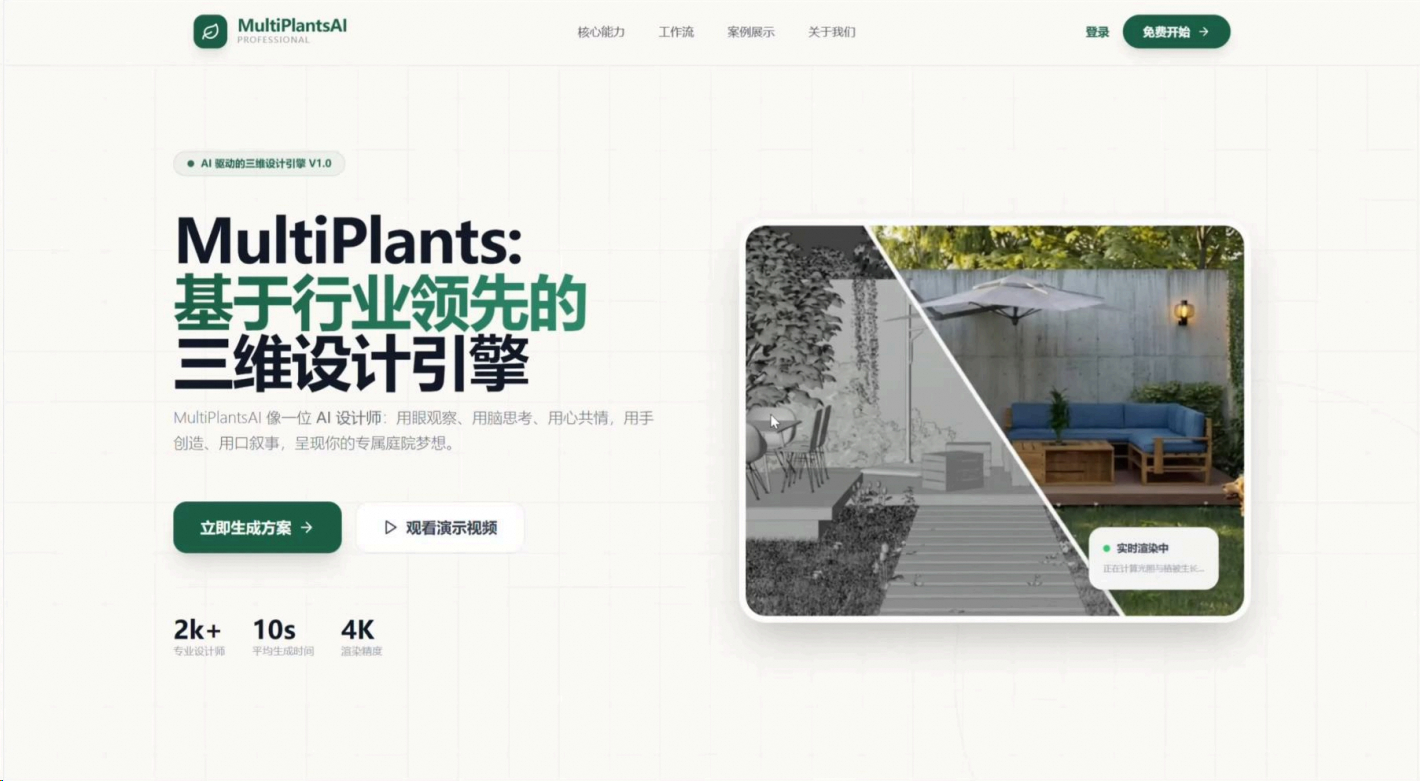
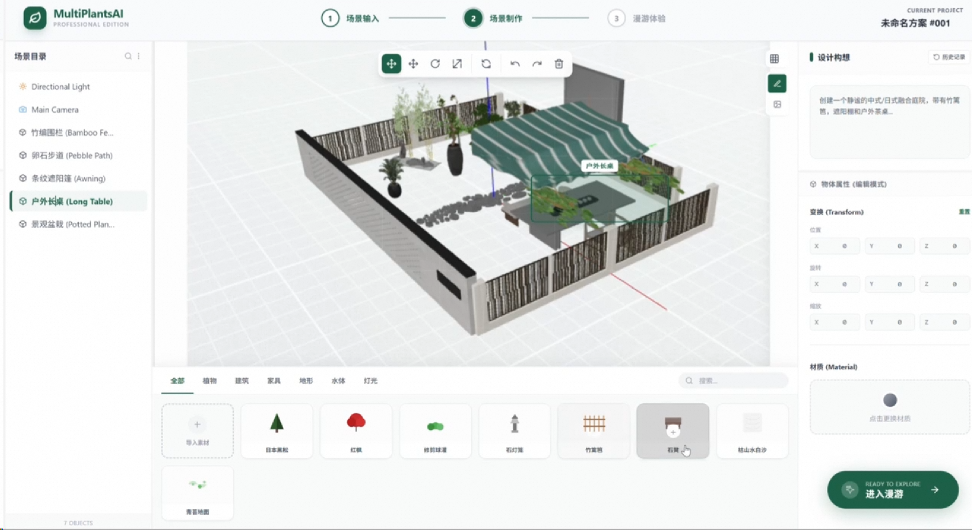
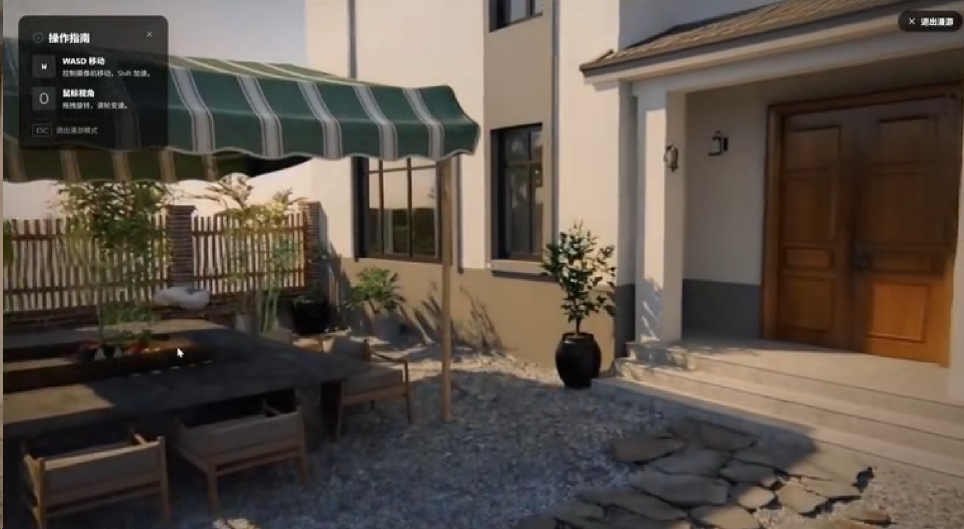
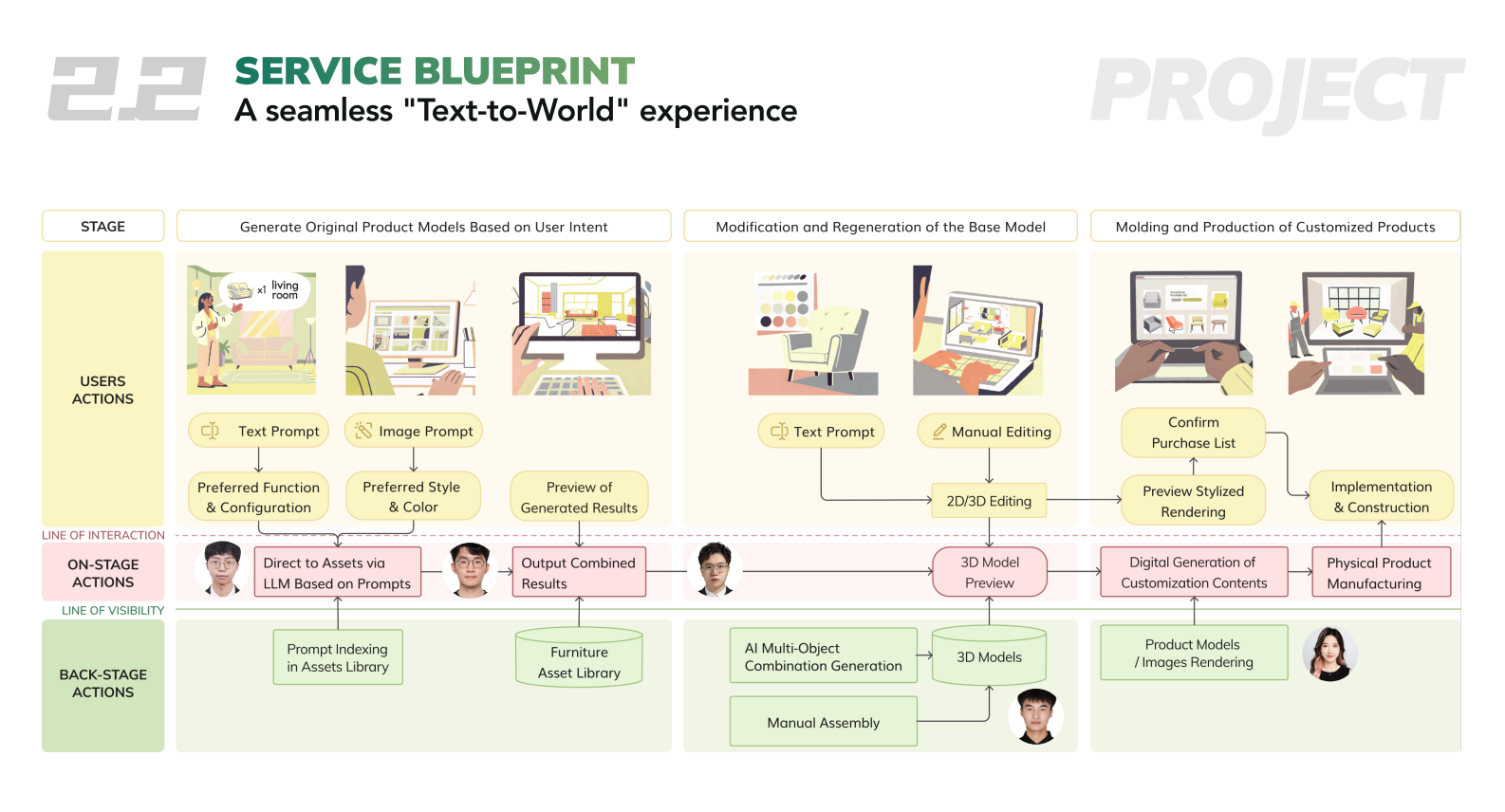
MultiPlantsAI 是一个面向植物景观设计、生产与销售全流程的 AI 智能系统。用户只需输入文字或上传图片,即可快速生成个性化植物景观方案,并在真实空间中完成可视化预览、修改优化与产品落地。项目以“Text-to-World”为核心体验,将传统高门槛、低效率的景观设计流程转化为低门槛、高效率、可规模化的智能服务。 

学生研究方向

陈彩怡

叙事设计与内容整合

姚兴博

三维生成与布局生成

马宇森

资产检索算法

杜雨新

空间感知与团队协同

王子健

将庭院图像转换为可编辑三维场景的三维重建功能

人员介绍

项目导师

王鲁佳

学术导师

岳玉涛、贺登博

项目成员

赵梓合、靳博瑜、杨骁

项目核心介绍

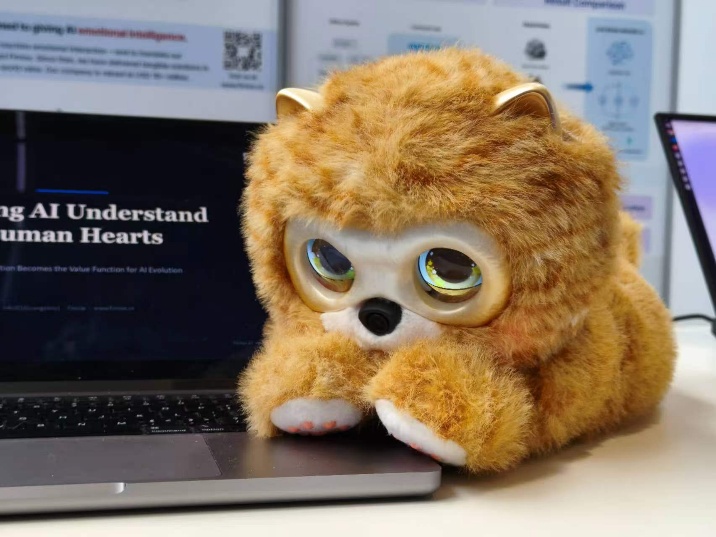
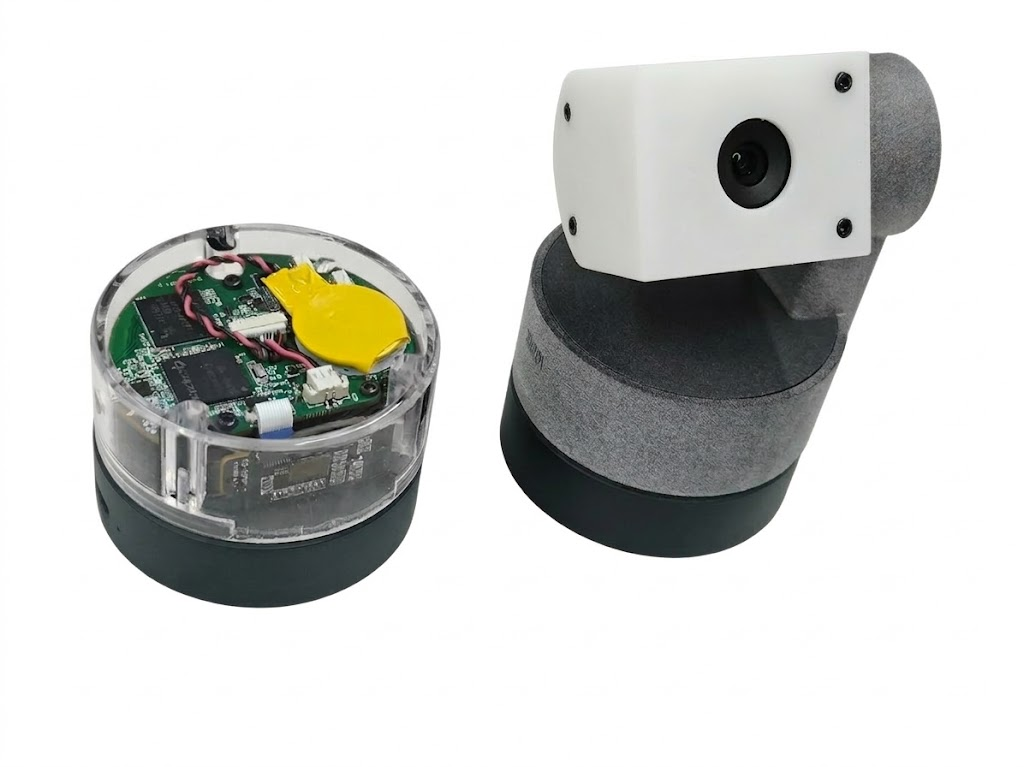
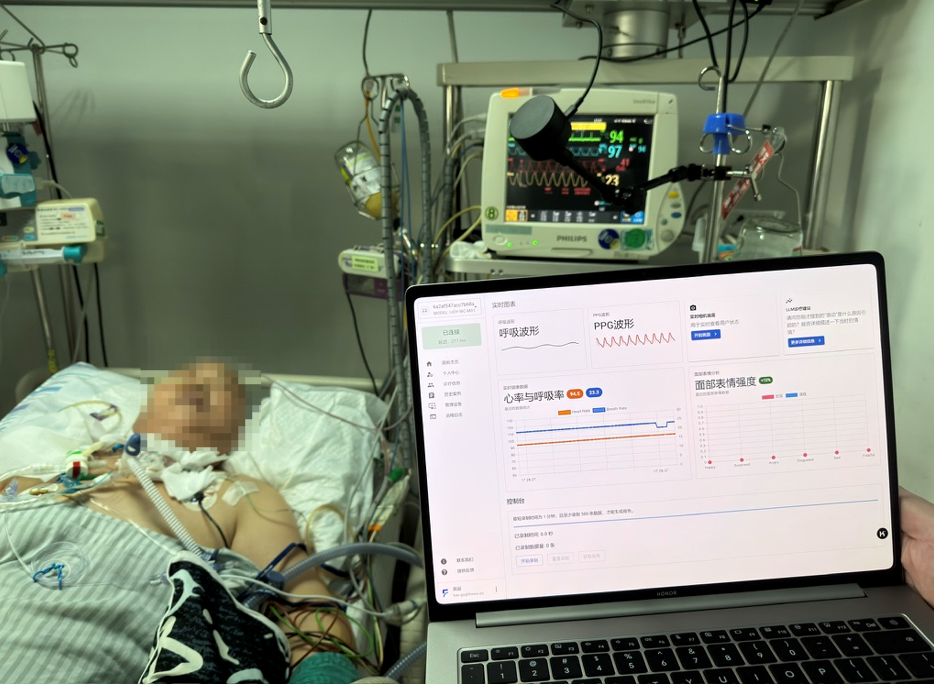
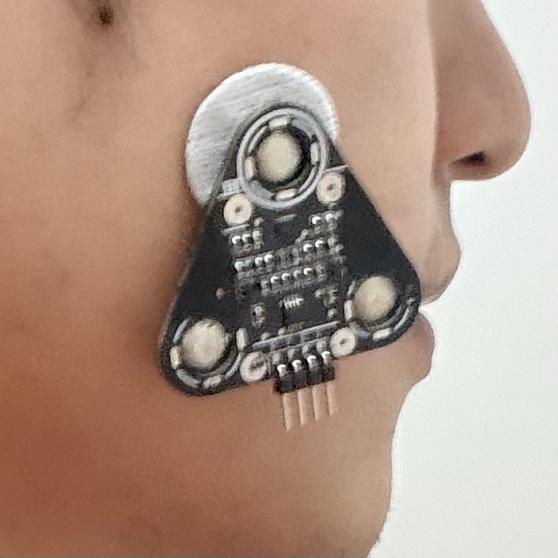
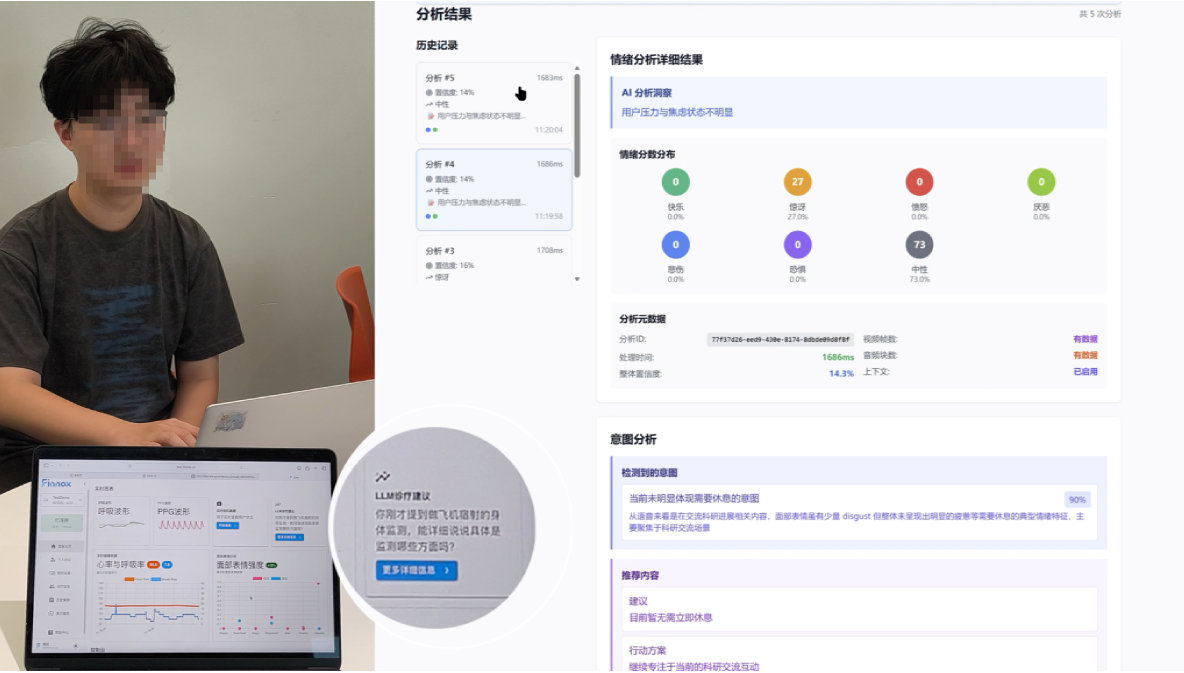
情感并非装饰,而是人类决策与协作的“基础协议”。为加速人工智能在医疗、教育与人机交互领域的产业化应用,我们构建了一套完整的端到端多模态情感智能系统。该系统集成了专用硬件套件,能够同时进行非接触式生理信号监测、面部动作单元检测与音频采集,并结合云端多模态大语言模型(MLLM)进行智能数据分析与动态交互,推动人工智能从“静态大脑”进化为“自适应心智”,使“理解人类”成为下一代智能系统的标准能力,为更具共情力与效能的技术奠定基础。 

成果与荣誉

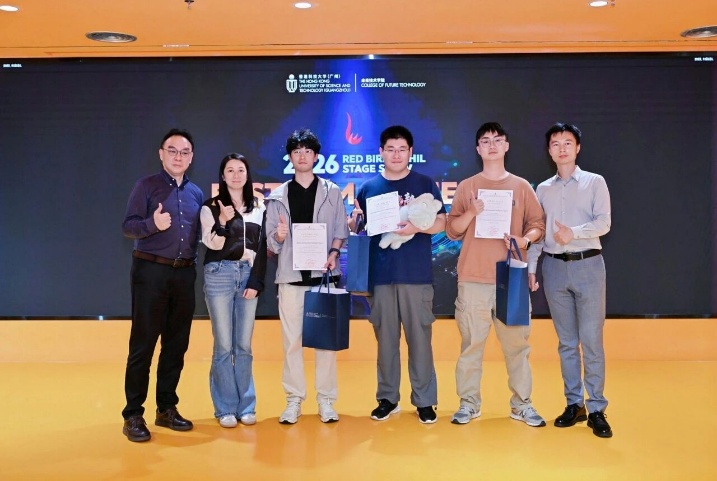
多模态非接触式生理采集设备于2026年3月获日内瓦国际发明展金奖 

学生研究方向

赵梓合

多模态大语言模型 

靳博瑜

情感智能系统、智能硬件集成 

杨骁

非接触式生理信号处理 

人员介绍

项目导师

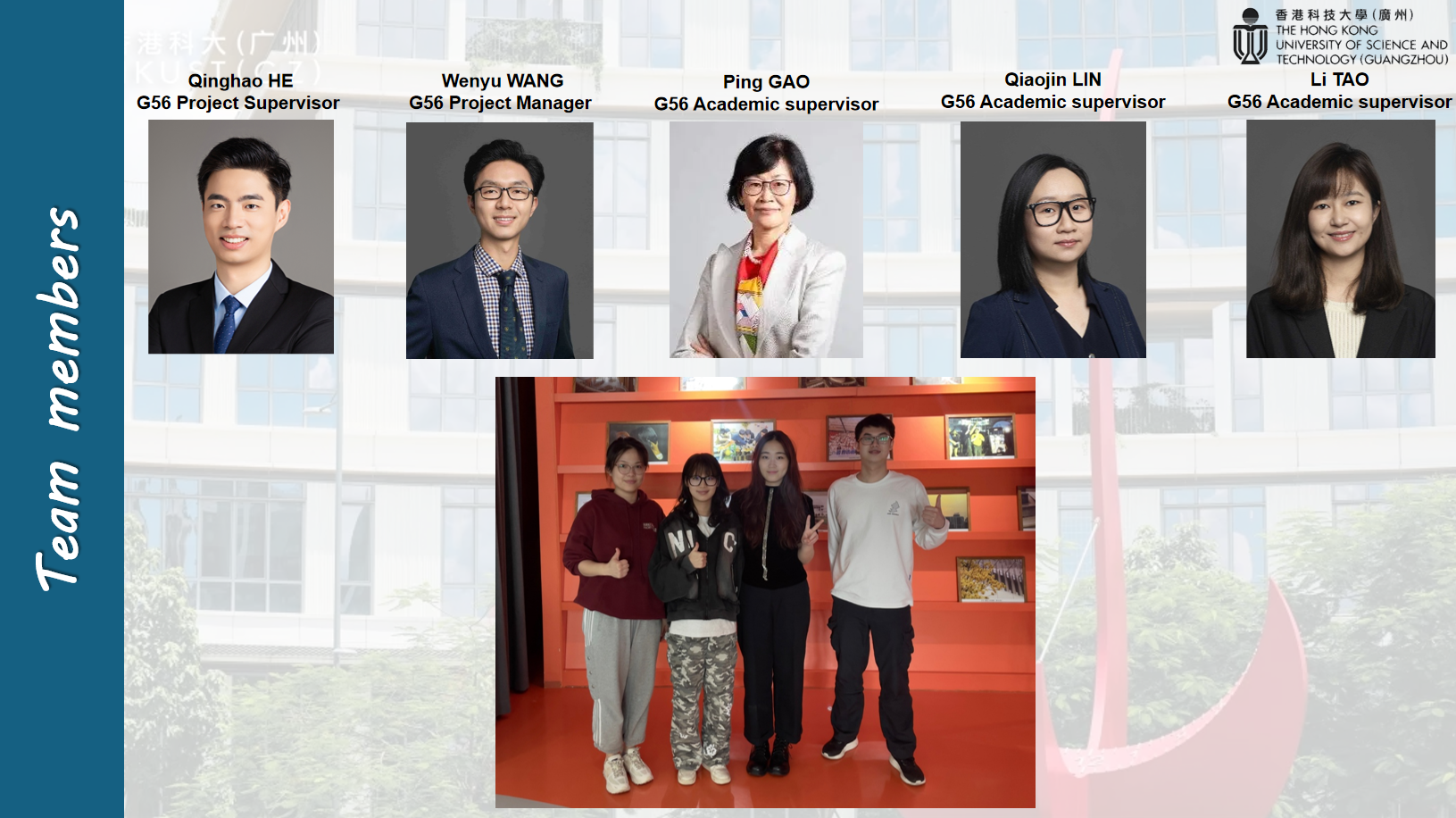
 何庆浩

学术导师

王文宇、林桥津、高平 

项目成员

米泉莹、王雯睿、黄加燊

项目核心介绍

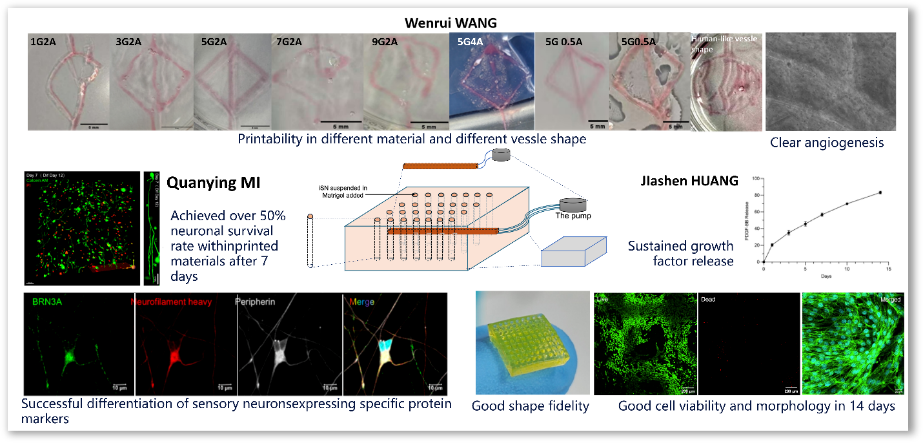
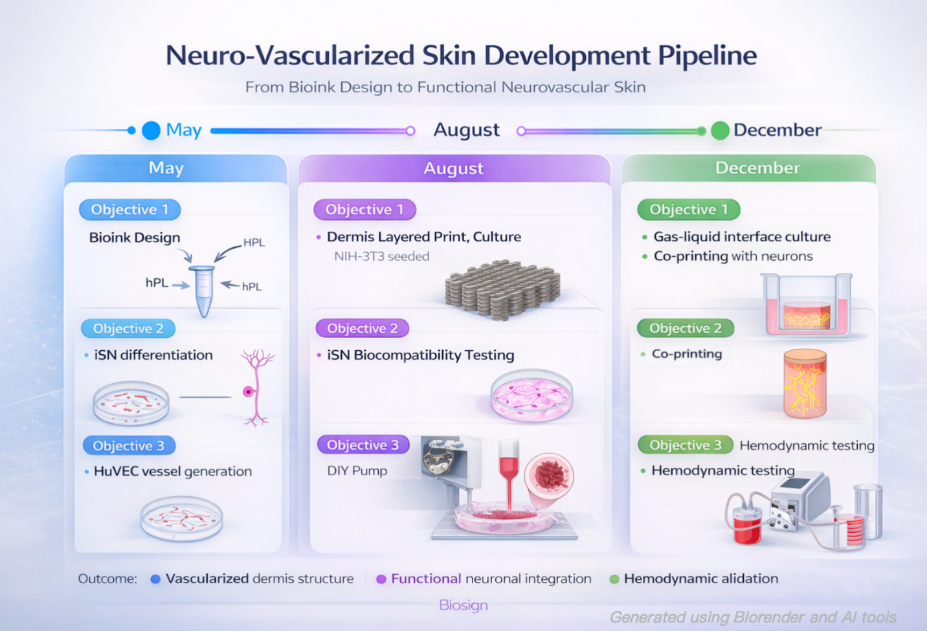
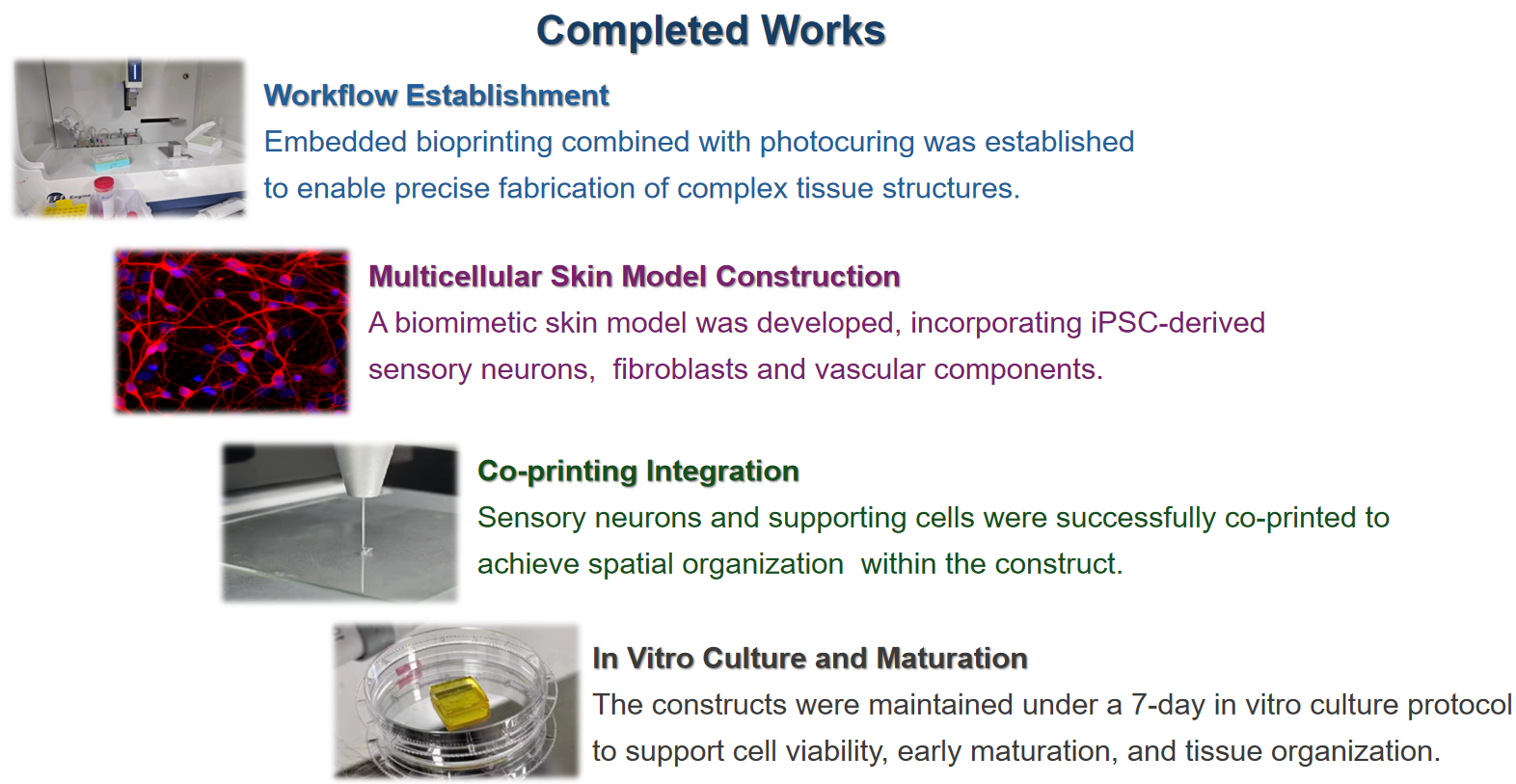
本项目聚焦个性化人工皮肤开发,构建兼具组织结构与感知功能的 3D 生物打印仿生皮肤模型。模型集成皮肤多层生理结构、血管网络及诱导多能干细胞(iPSC)来源的感觉神经元,高度模拟天然皮肤核心特征。项目融合 3D 生物打印、干细胞工程、神经分化、生物材料设计等前沿技术,解决传统皮肤移植瘢痕、免疫排斥、功能恢复不足等缺陷,为再生治疗与体外功能测试提供创新平台。 

学生研究方向

Quanying MI

干细胞分化、分子神经生物学 

Jiashen HUANG

生物材料、细胞生物学 

Wenrui WANG

3D 生物打印技术 

人员介绍

项目导师

姜蓝督

学术导师

伍楷舜、王泽宇、朱磊

项目成员

张家荣、陈逸民、刘泽凯、李星宇、林晋宇、蔡琳琳

项目核心介绍

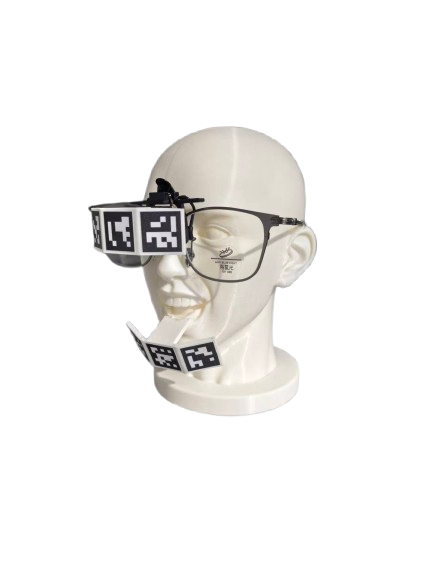
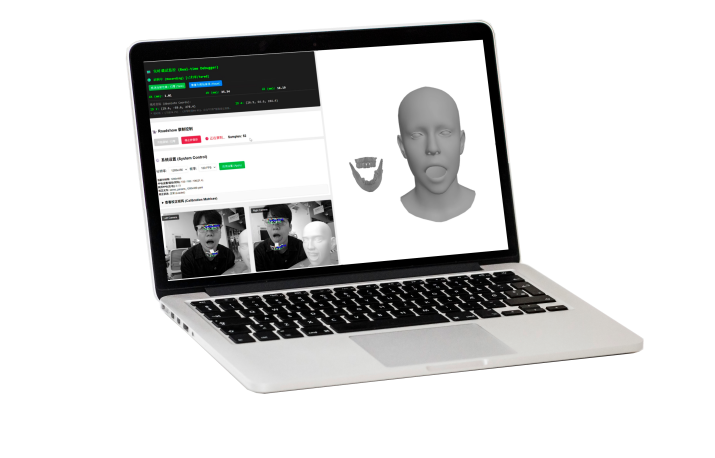
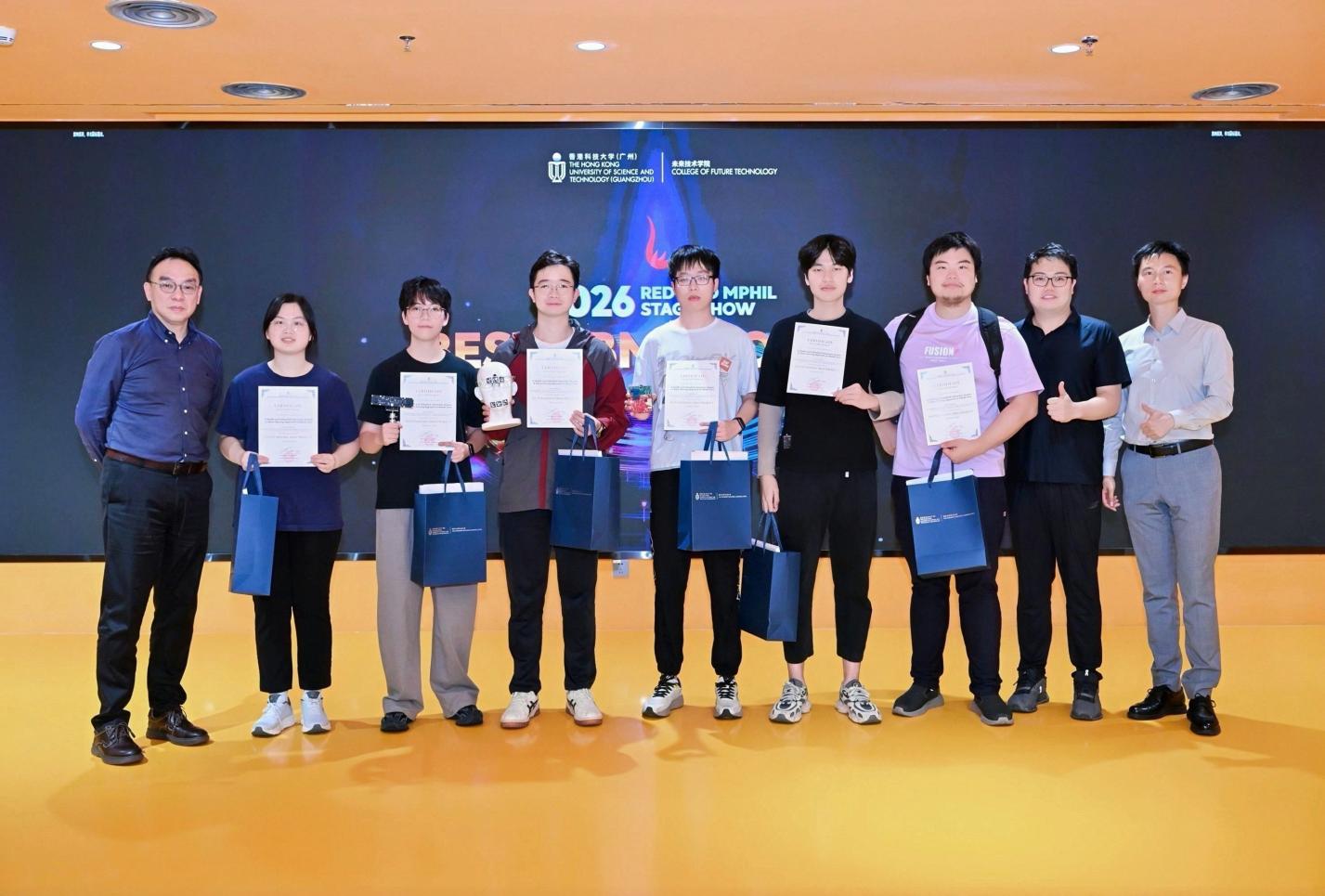
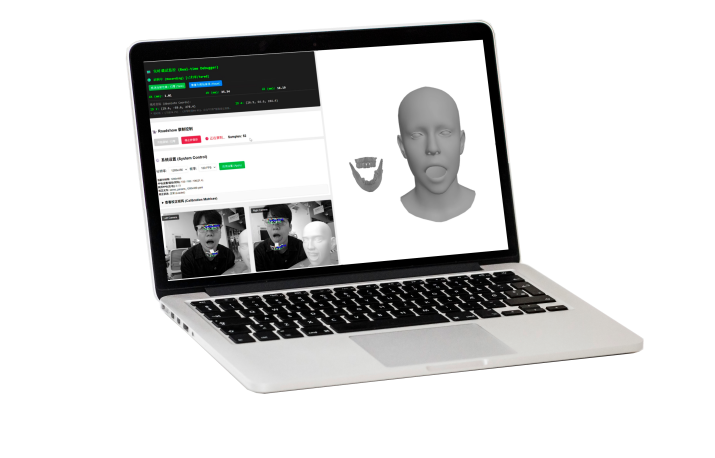
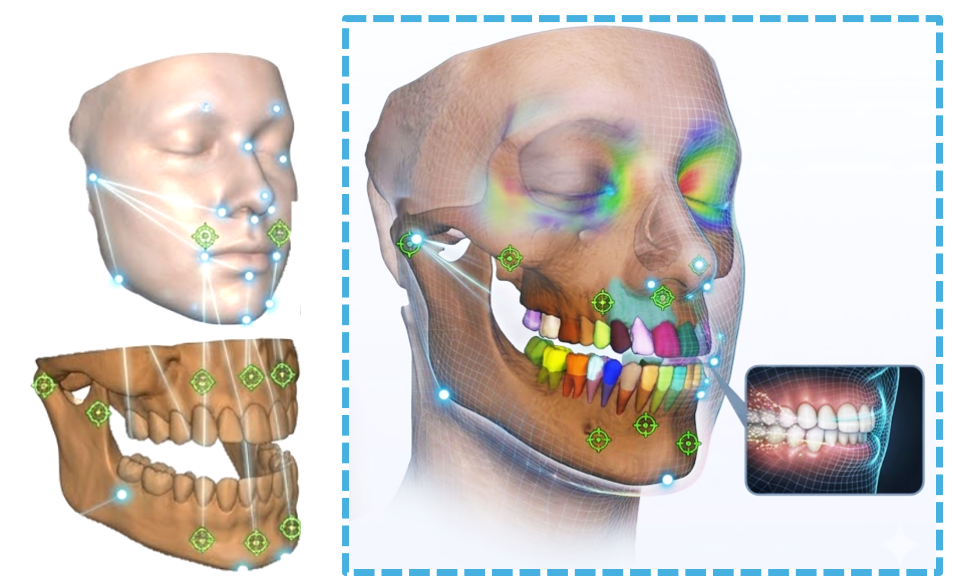
本项目针对传统电子面弓操作复杂、成本高昂的痛点,提出了一种多模态智能感知系统。该系统集成了毫米波雷达无线感知与计算机视觉技术,实现非接触式的颌面运动高精度捕捉,并结合轻量化穿戴式设备获取深层功能信号。这一方案将评估重点从‘单纯空间位移测量’转向‘模拟生活场景下的动态功能生物标志物分析’,为常规口腔诊疗提供了一种低成本、筛查导向的数字化工具。 

人员介绍

项目导师

王晓燕

学术导师

曾健、周胜、王仁杰

项目成员

吴瑞宝、尤圻、苏智泓

项目核心介绍

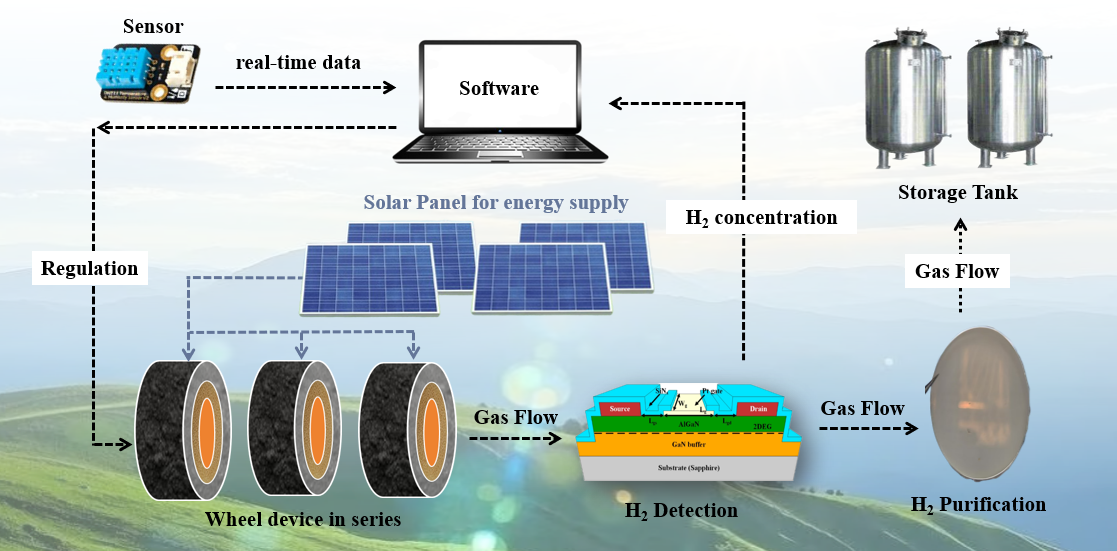
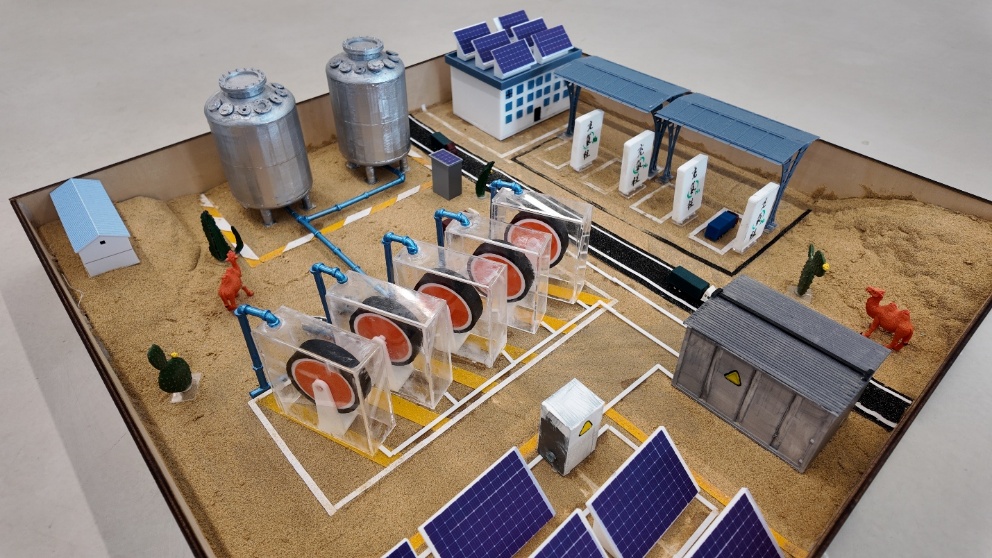
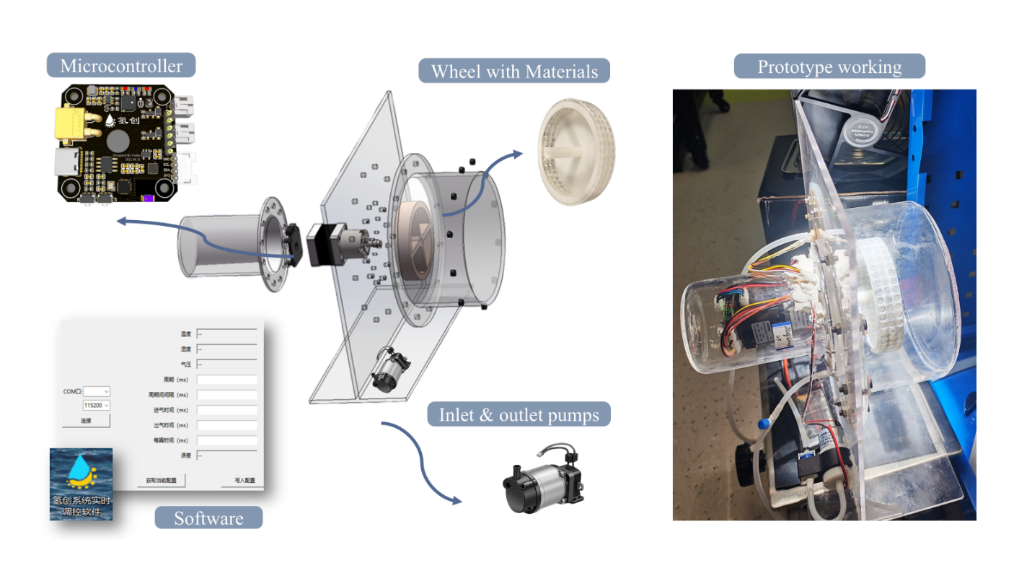
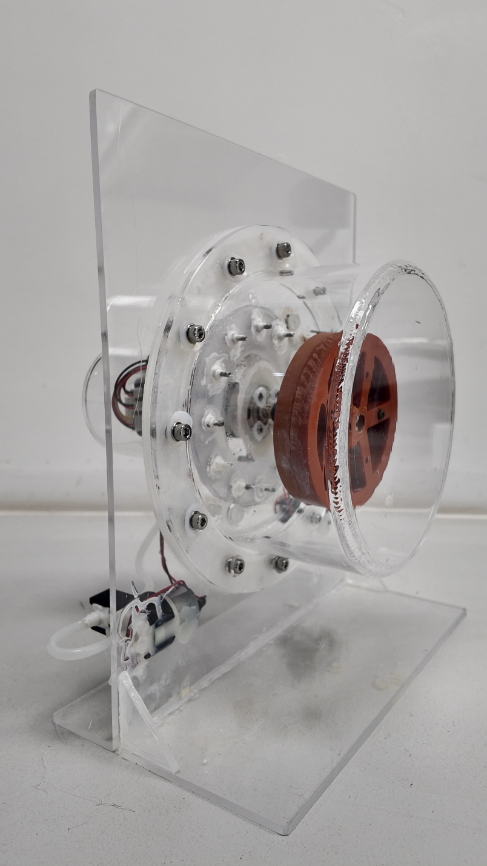
环境本身蕴藏着巨大的资源与能源潜力,可作为缓解全球能源短缺和减少碳排放的重要“资源库”和“能量库”。环境中的湿度及低品位热能,均可被开发并用于可再生能源的生产。本项目旨在应对过量碳排放和全球能源短缺两大挑战。通过核心的空气捕水加光催化产氢设备,凭借三项创新性技术路径,覆盖从氢气生产、检测到分离纯化的全过程,将这些资源高效转化为氢能等可再生能源。 

成果与荣誉

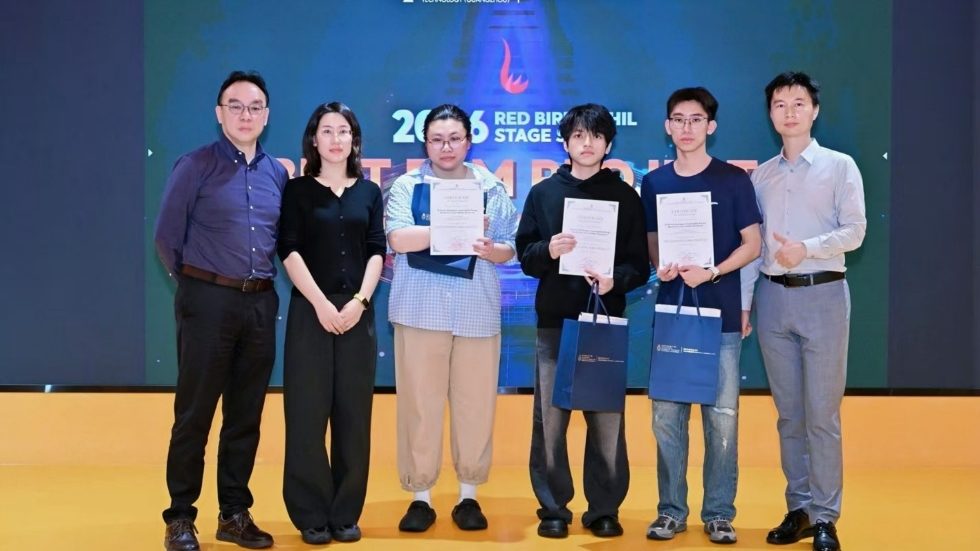
第四届高校电子电气工程创新大赛省级三等奖 

学生研究方向

尤圻

空气捕水、光催化产氢 新能源 

吴瑞宝

MOF材料、MOF混合基质膜气体分离 

苏智泓

HEMT传感器 气体检测 

人员介绍

项目导师

周晋妮

学术导师

马骏、季一丁 

项目成员

高豪、张迎洪、车梓俊、张明杰、杜雨恒、王云飞

项目核心介绍

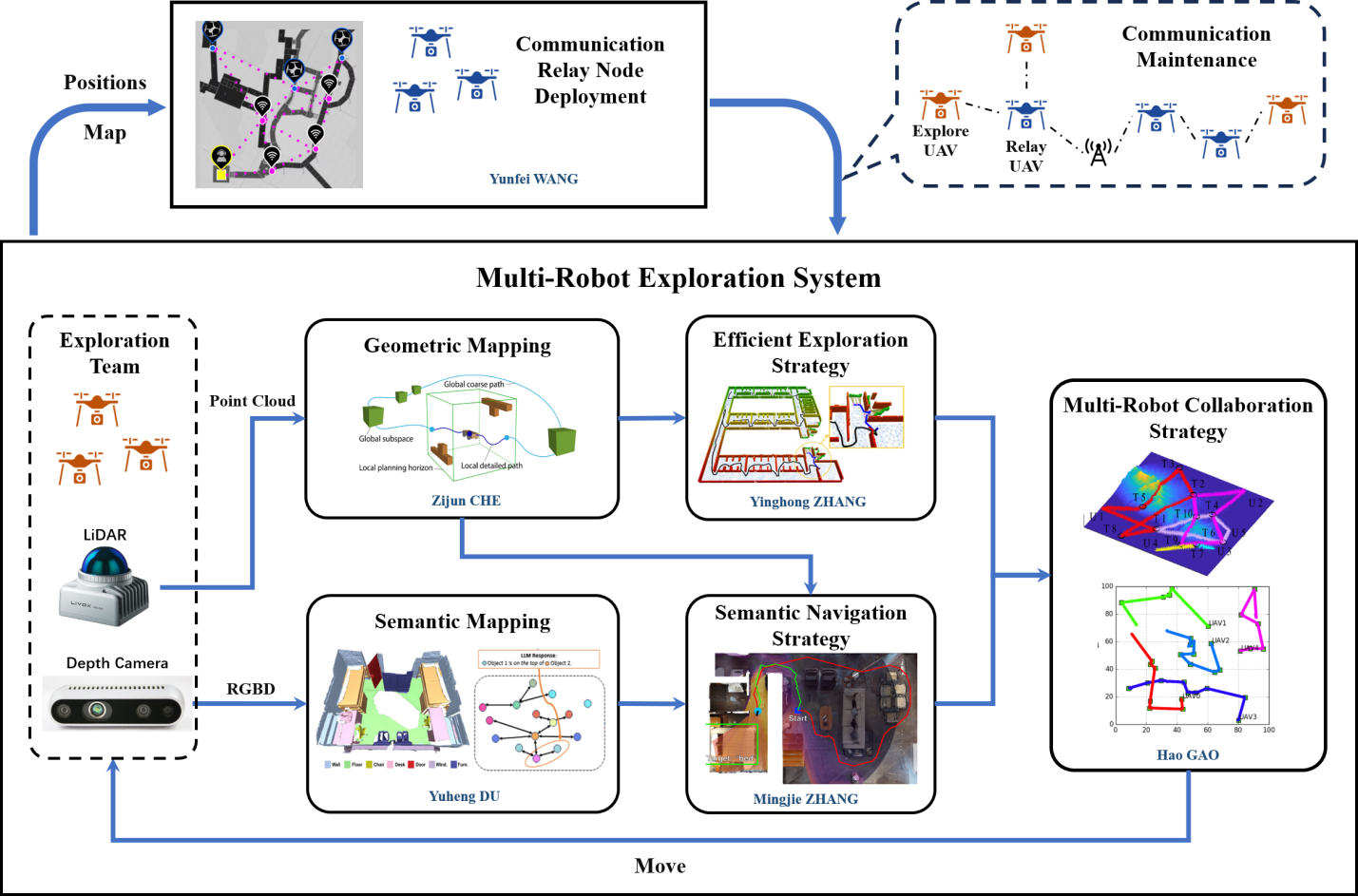
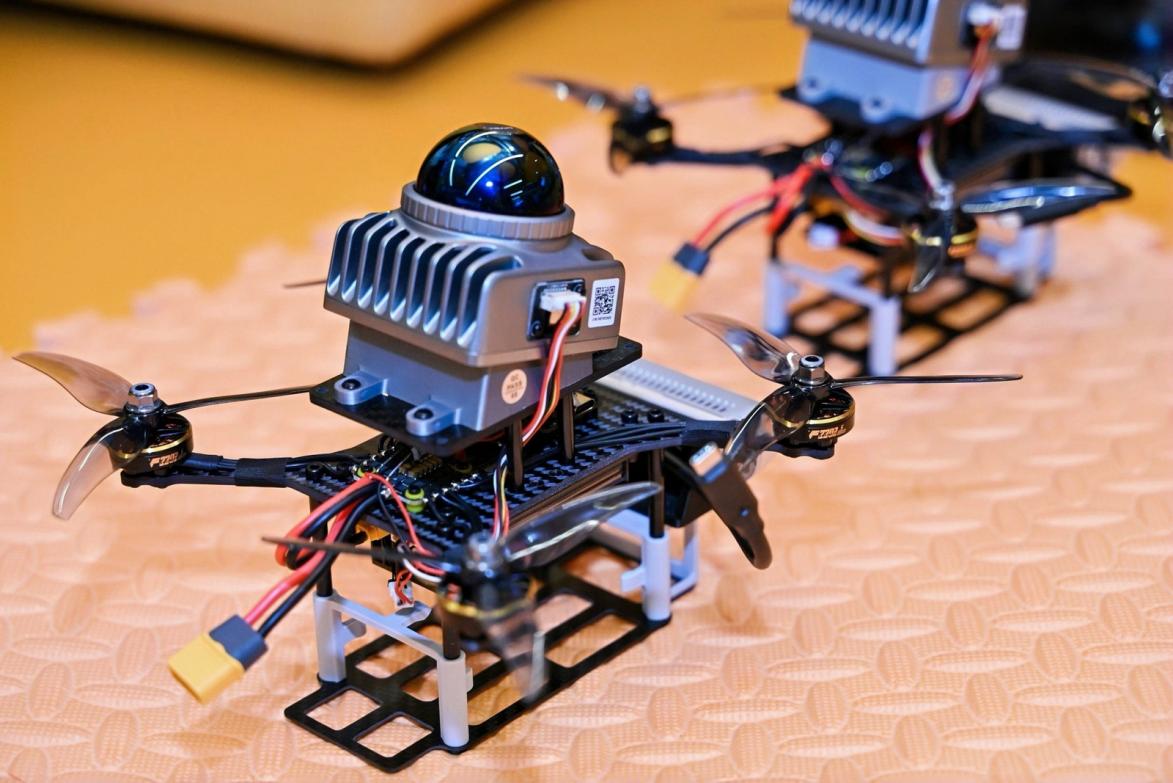
本项目面向灾后室内外场景,研发专用多无人机系统,可实现环境探测、场景重构、目标搜索与场景理解,有效提升灾后应急处置效率。  

成果与荣誉

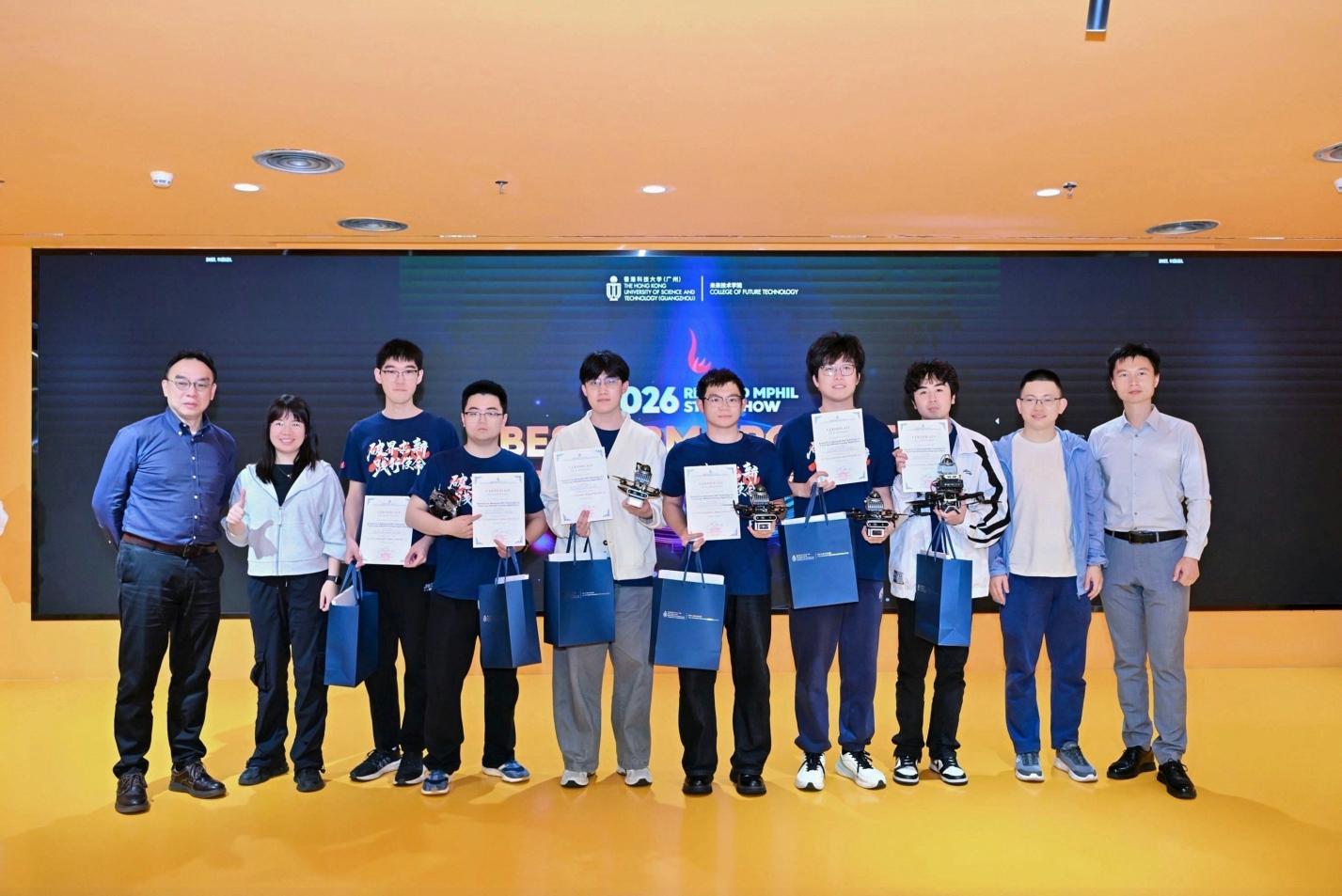
第五届广东省研究生学术论坛-“智能制造与机器人”分论坛口头报告三等奖; 

车梓俊、张迎洪相关论文被顶级机器人会议ICRA接收; 

张明杰、杜雨恒相关论文被顶级机器人期刊RAL接收; 

王云飞相关论文被顶级机器人会议RSS接收。 

学生研究方向

车梓俊

Dynamic resolution mapping、UAV、Reinforcement Learning 

张迎洪

UAV、Reinforcement Learning、Path Planning

Mingjie ZHANG

UAV、Sematic Exploration、Sematic Navigation 

杜雨恒

UAV、Sematic Exploration、Sematic Navigation 

高豪

 Multi-UAV、Task Allocation、Reinforcement Learning 
Yunfei WANG

Multi-UAV、Communication Relay Node Deployment 

人员介绍

项目导师

连家良

学术导师

梁俊卫、常腾飞

项目成员

贠菁、高英皓、曾麒、杨勋

项目核心介绍

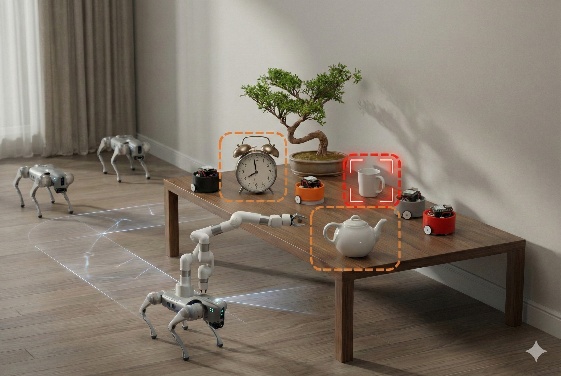
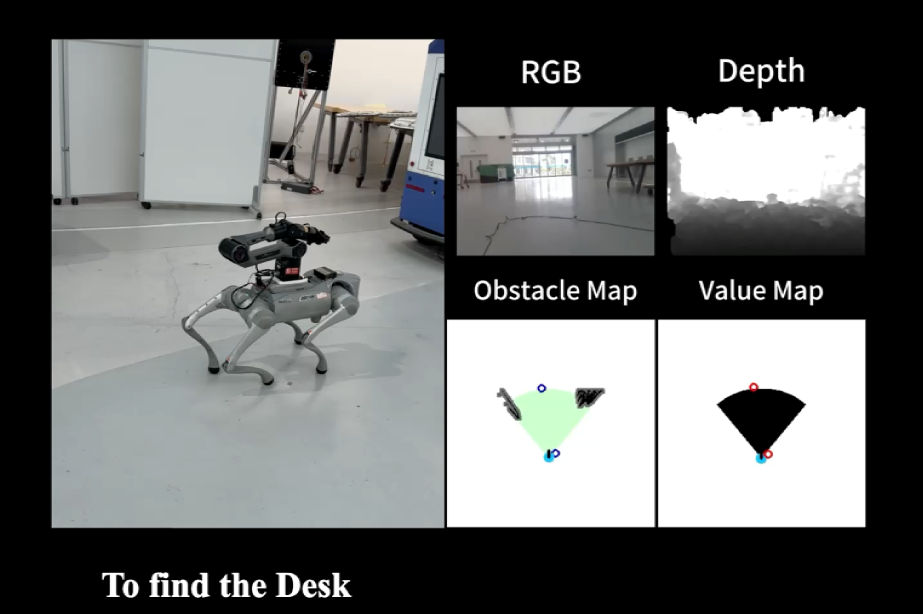
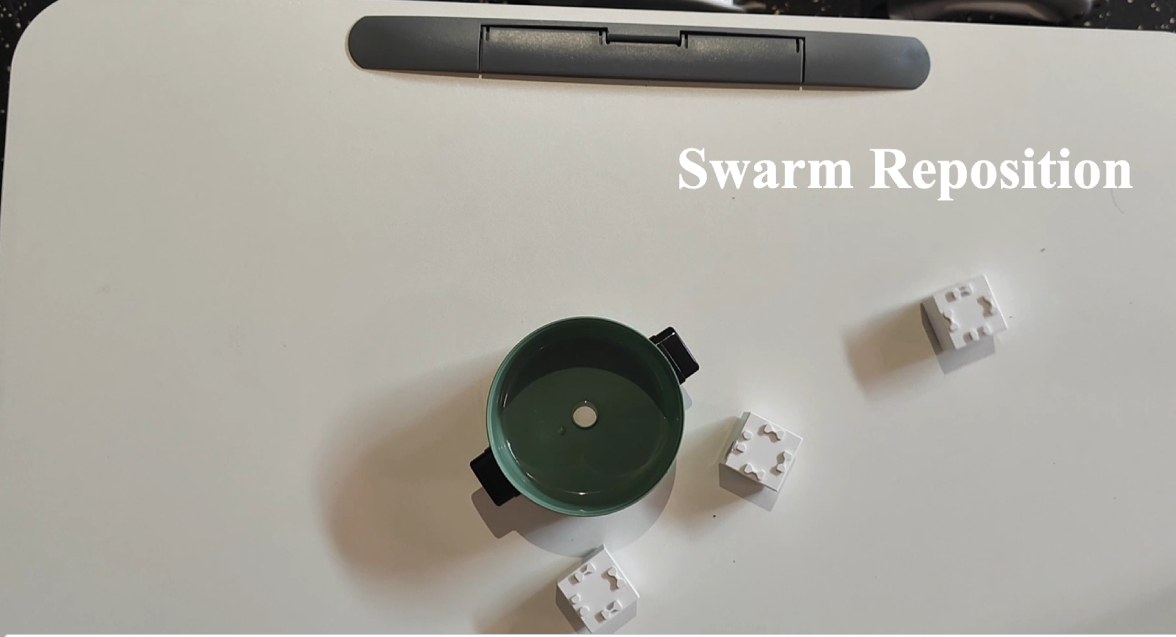
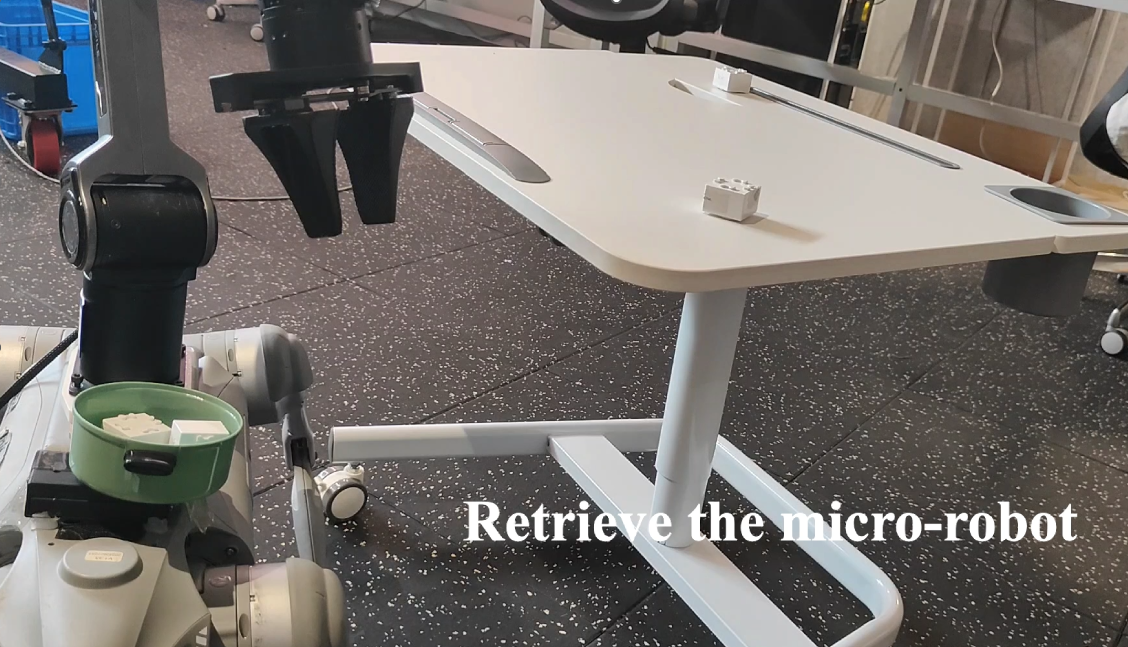
本项目基于四足机器人、机械臂、集群机器人与物品导航,实现了一套异构机器人协作执行任务的解决方案,有效解决了机械臂受限于自身结构的抓取范围过小的问题。同时也为后续异构机器人的合作探索打下了基础。 

学生研究方向

杨勋

人形机器人,强化学习,整身控制 

Yinghao GAO

集群机器人,协同控制,多智能体系统 

曾麒

物品导航,视觉感知,具身智能

贠菁

机械臂操纵,抓取与操作,运动规划

人员介绍

项目导师

陈民

学术导师

熊辉、伍楷舜、范明明、王泽宇

项目成员

夏秋婷、刘彦杉、倪佳哲、李铭硕 

项目核心介绍

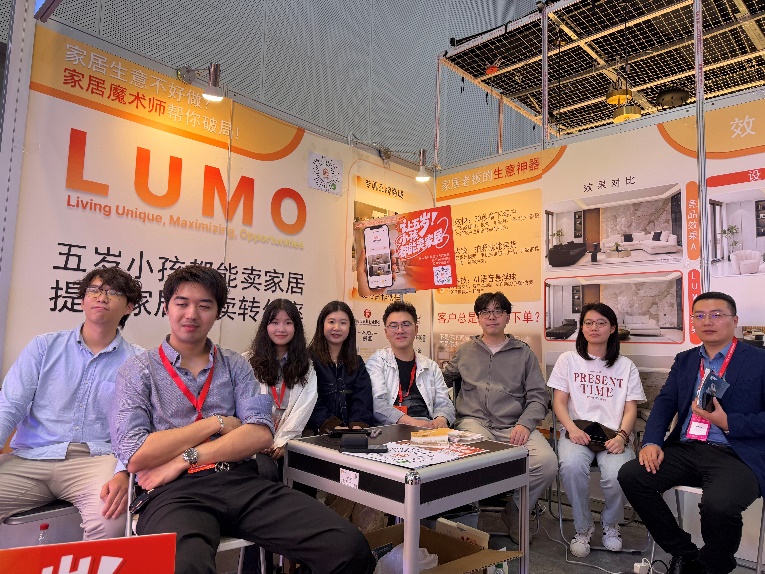
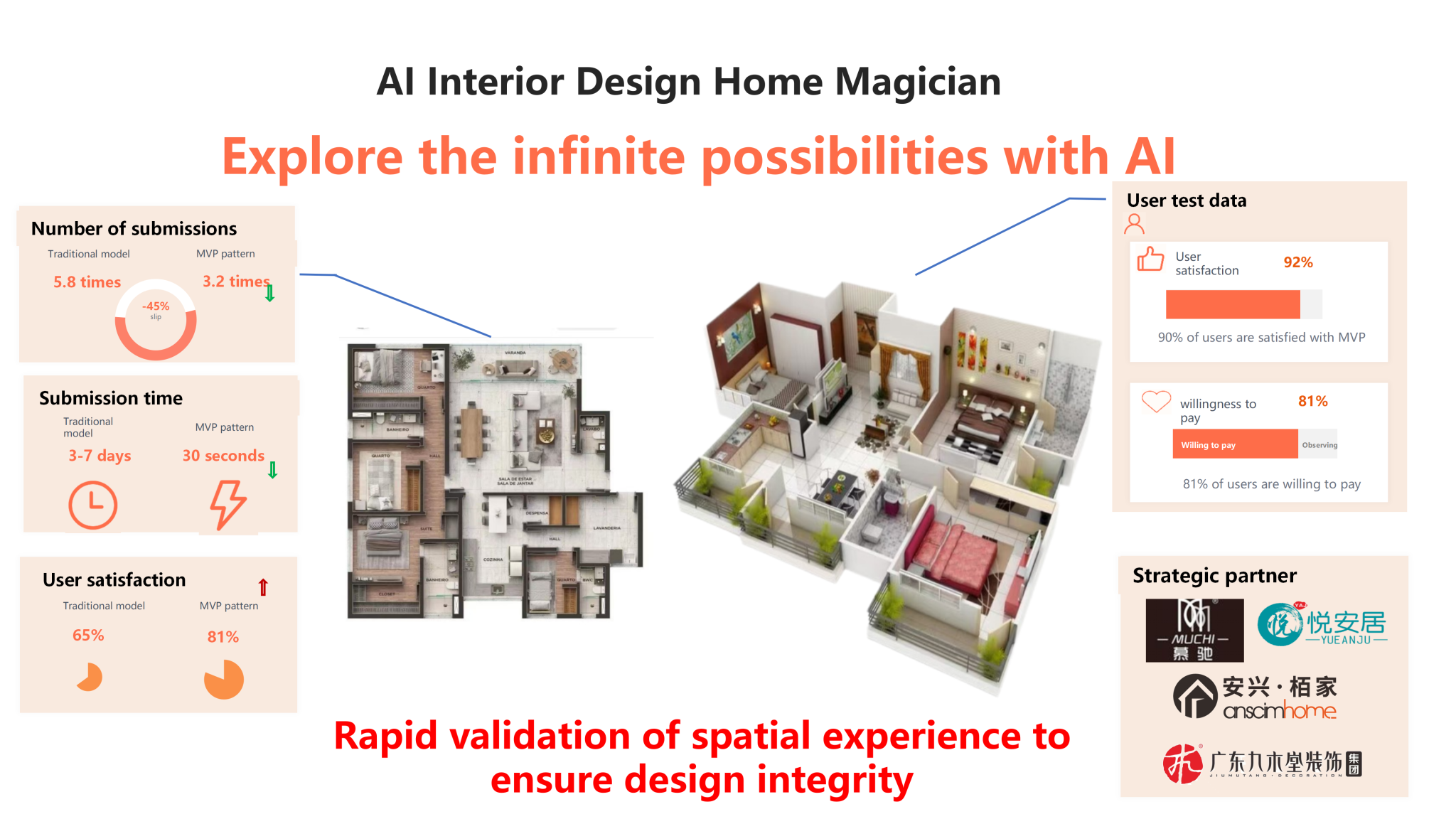
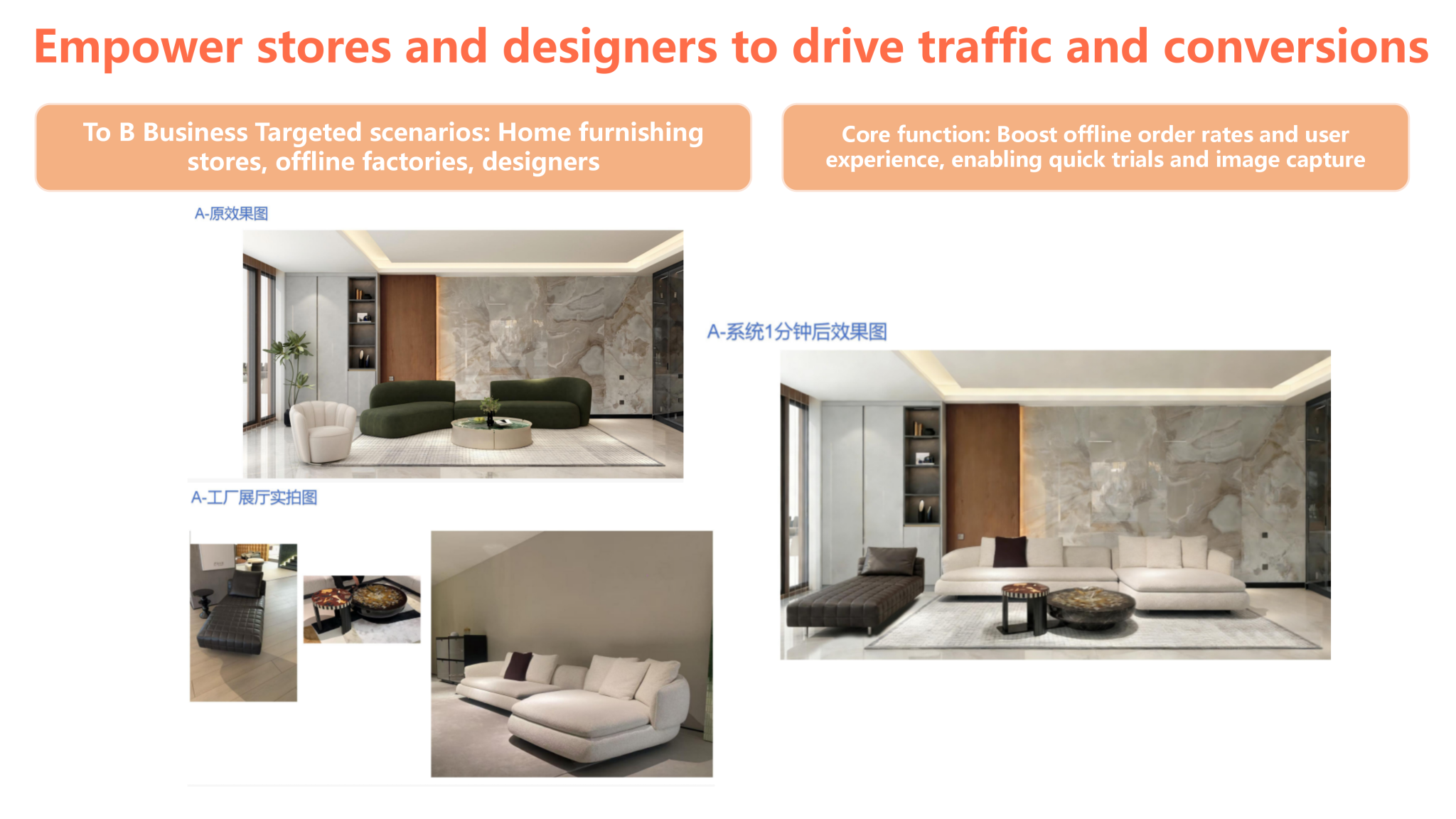
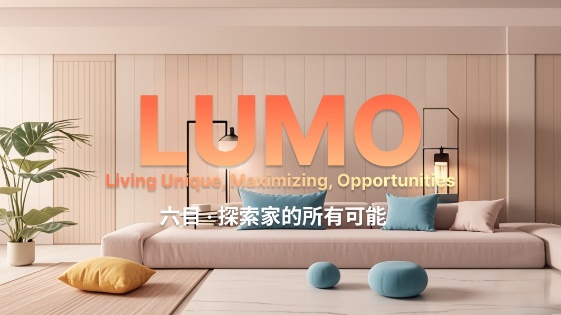
Lumotech 是一款人工智能室内设计平台,专为家居行业 B端打造,基于室内图轻松实现家居魔法体验,旨在解决传统家居装饰中的看不到整体适配效果、返稿次数多、效率低下问题。  

通过利用 LLM 对话、3D 重构和、AIGC 设计等技术,一分钟之内产出室内效果预览图,轻松实现家居魔法体验,整体空间预览,减少试错成本,助力提升导购信服度与用户购买意愿。 

学生研究方向

倪佳哲

项目管理、商业模式设计、团队领导

刘彦杉

数据分析、算法研究、模型优化 

夏秋婷

3D生成与空间设计实现 

李铭硕

AIGC交互流程设计与优化

人员介绍

项目导师

黄同舸

学术导师

熊辉、陈颖聪、范明明、余露文

项目成员

李若冲、高铭泽、麦梓阳、王闻清、刘洪磊

项目核心介绍

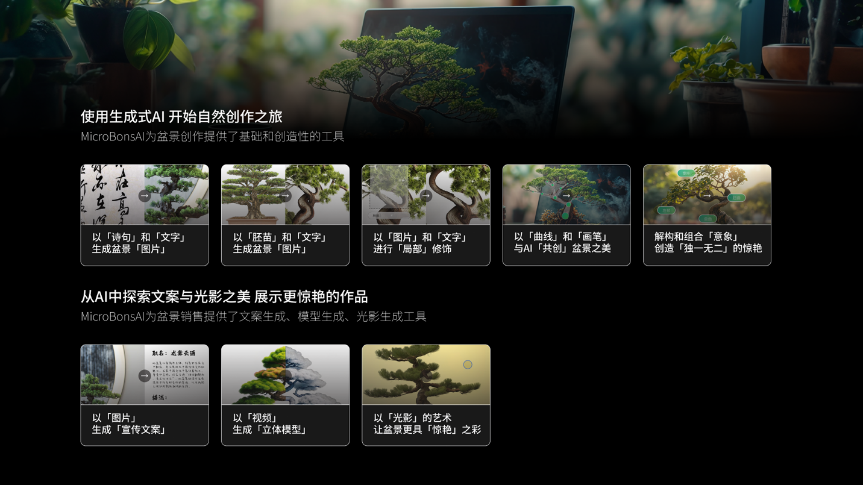
MicroBonsAI(微景智成)是一个面向岭南盆景产业的 AI 赋能设计与营销支持系统,融合 AIGC、LLM、MLLM、HCI 与可视化设计等技术,围绕盆景知识库构建、生成式模型设计与训练、2D/3D 功能开发、多模态智能生成、交互设计、可视化设计、用户研究与评估等模块展开,帮助盆景匠人、销售人员及客户完成盆景创意生成、设计表达、交互展示与营销内容生产,推动传统盆景行业的数字化与智能化升级。 

成果与荣誉

获得“创青春广东‘百千万工程’兴乡青年创业大赛”相关荣誉  

获得“百度第二届文心杯创业大赛 AI 潜力之星”奖项  

选广州智算联盟第一批“人工智能+”典型案例 

学生研究方向

Ruochong LI

2D/3D 精细化内容生成、生成式模型、盆景视觉内容建模

高铭泽

多模态大语言模型、图像生成、智能设计

麦梓阳

图像语义拆解、个性化图像生成、AI 内容生成

Wenqing WANG

用户感知研究、情感与审美研究、可视化传播

Honglei LIU

人机交互、AIGC 交互系统、数字化工作流设计

广州市香港科大霍英东研究院创新与市场办公室 主任 粤港澳(国际)青年创新工场 运营总监

卢志强现负责广州市香港科大霍英东研究院的应用研究成果及专利推广、创新创业平台粤港澳(国际)青年创新工场和香港科技大学(广州)科创成果转移转化基地运营管理及香港科大百万奖金(国际)创业大赛广州赛区组委会管理工作。 加入研究院前,卢志强曾供职于跨国企业、国家级科研技术转移机构及初创企业,积累超过20年技术项目市场推广及投资人对接经验。他曾负责新加坡科技研究局A*STAR重点孵化项目的成果转化、香港应用科技研究院ASTRI产学研合作平台建设等多项重大技术转化分拆项目,并协助多个项目种子轮投融资。

卢志强拥有澳大利亚蒙纳士大学商学学士学位,对信息技术、物联网、半导体、先进材料、智能制造、生物医疗等领域的软、硬件技术发展趋势及产品产业化过程有着广泛认识和深入洞察,同时被评为广州科技成果转化服务创新联盟特约经纪人及粤港澳(国际)青年创新工场创业导师。

Under construction …

Under construction …

人员介绍

项目导师

Dr. Qinghao HE 

学术导师

Chang YAN, Dianxun XIAO, Jian ZENG, Jihoon SHIN

项目成员

Sihao HUANG, Haoda XI, Leyin ZHOU, Yuelin KUANG, Caiyi SHEN, Min DENG

项目核心介绍

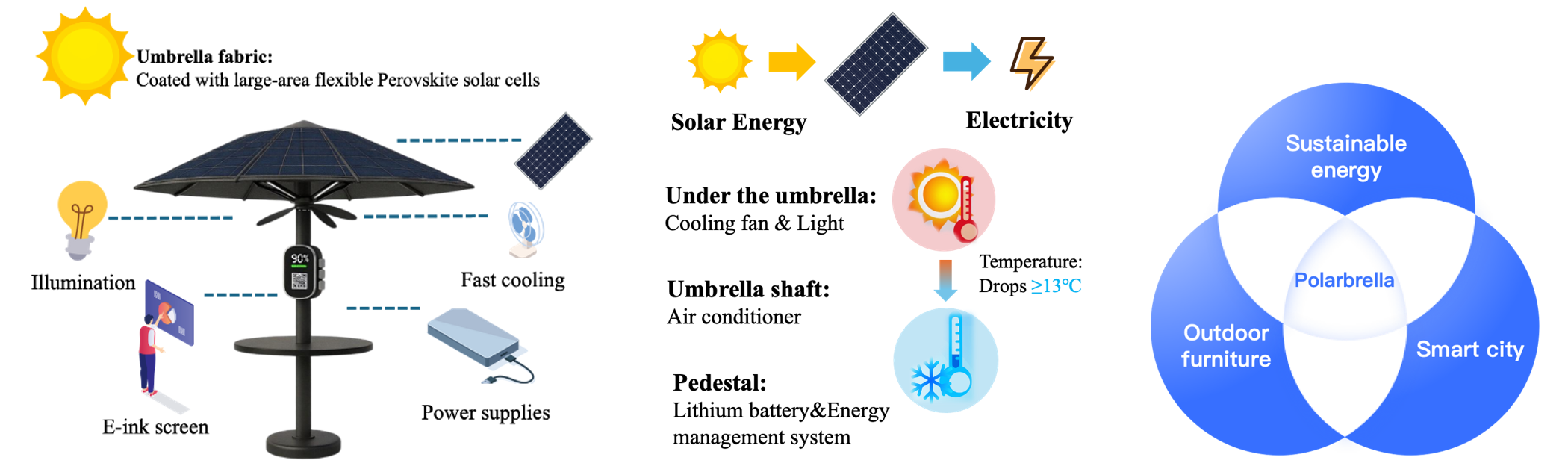
The Polarbrella Smart Sunshade is an innovative shading solution that integrates photovoltaic power generation with intelligent management. Equipped with an ultra-large (6㎡), highly efficient flexible perovskite module and a smart cooling system, it provides all-day shade while achieving an active temperature reduction of 5–8°C. Its built-in 1kWh energy storage module supports off-grid operation for up to 24 hours and incorporates smart features such as charging interfaces, IoT environmental sensors, and a replaceable e-ink advertising screen. Polarbrella is suited for diverse settings including urban parks, commercial plazas, and corporate campuses, meeting both municipal demands for low-carbon infrastructure and the need for distinctive experiences in commercial spaces. Multiple units can be combined to form a "Green Oasis Matrix," creating sustainably powered cool zones that redefine zero-carbon summer living through clean technology. 

成果与荣誉

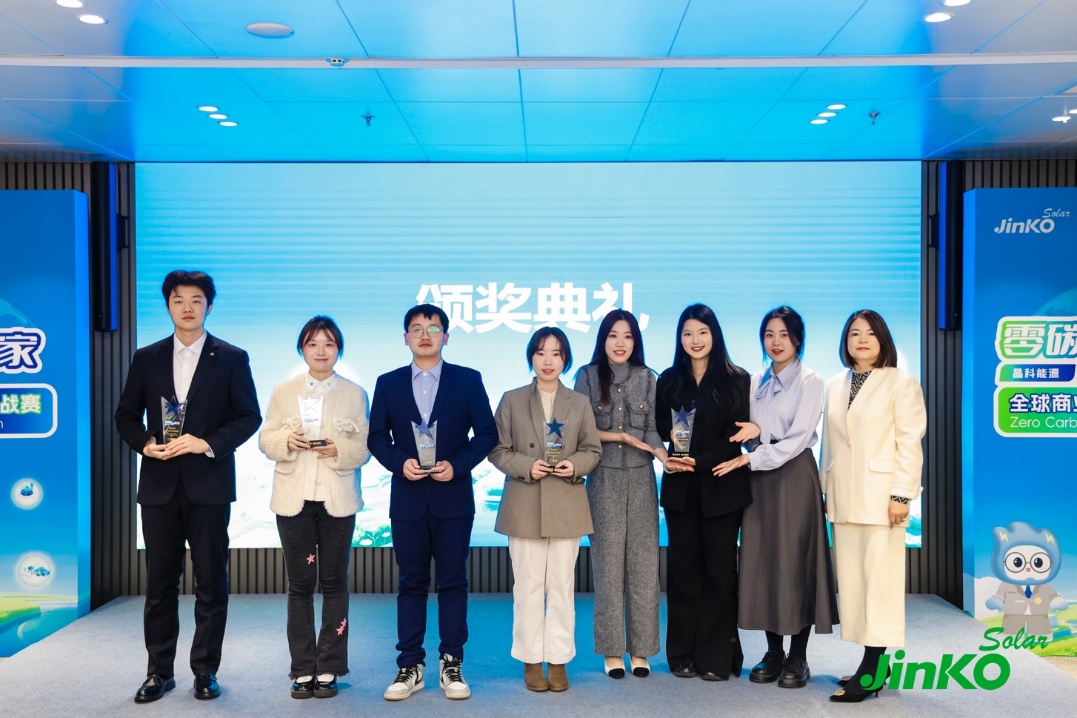
Awarded in 2025 Jinko Solar Global Business and Technology Challenge 

学生研究方向

Sihao HUANG

High Photoelectric Conversion Efficiency and Flexibility of Flexible Perovskite Solar Cells

Haoda XI

电池状态估计与安全管理的先进算法设计研究 

Leyin ZHOU

小米SU7市场进入中产品与技术多元化的相互作用——基于中国电动汽车企业动态能力视角 

Yuelin KUANG

大面积钙钛矿太阳能电池的制备研究

Caiyi SHEN

A Study on the Relationship Between Carbon Emission Performance, ESG Disclosure and Financial Performance of Listed Energy Companies in the GBA 

邓敏

中国光伏产品对RCEP国家出口效率及潜力测算

Lumen Prize

人员介绍

项目经理

Prof. Kang ZHANG

项目导师

Prof. Jinni ZHOU, Prof. Beijinni LI

项目成员

Ka Man CHOI, Yu DAI (Hong Kong University of Science and Technology (Guangzhou));
Hui SU, Haoran SUN, Chenyi ZHANG (China Academy of Art)

融合学科

Hong Kong University of Science and Technology (Guangzhou) & China Academy of Art Joint Design Thinking Program

项目内容

项目背景

As a national intangible cultural heritage, Xiangyunsha Dyeing and Coating Technique is still facing the dilemma of being rarely known to the public, especially the young generation. To arouse people's attention and interest in the intangible cultural heritage, we proposed to set up an Xiangyunsha Art Installation with an area of about 2 square meters in public areas, like airports and high-speed railway stations, to promote the values of Xiangyunsha to visitors and local citizens. The combination of "virtual and reality" enables users to experience the intricated dyeing and coating process of Xiangyunsha. By combining these with AIGC technology, unique patterns will be generated according to the user’s VR exploration, so each user will get a personalized Xiangyunsha memento. The goal is to let users understand the history, craftsmanship and cultural value of Xiangyunsha through immersive experience and interactive learning, to stimulate people's interest and explore the methods of cultural inheritance of intangible cultural heritage.

项目技术

The project utilizes a linear interactive timeline, combining virtual reality, generative art, and laser engraving to form a Xiangyunsha moving installation. Using VR, the geographically and time-bound process of making Xiangyunsha becomes virtual and gamified for the audience to experience. The method simulates the time it takes for the craftsmen to wait for the weather integrating the 5 main making steps in the production process, allowing the audience to feel the value of the craft better. More importantly, the user must complete the entire making experience to generate and engrave a personalized memento, symbolizing the preciousness of craftsmanship behind Xiangyunsha.

团队成果

Through interdisciplinary collaboration, students from different thrusts and backgrounds such as Computational Media and Arts, Electrical Engineering and Design, integrated with Virtual Reality, Generative Art and Laser Engraving technologies, successfully developed an Interactive Installation for Xiangyunsha. We aim to break the limitations of time and weather, so users and audiences can understand the value of the intangible cultural heritage and preserve this sustainably. The interaction not only aims to stimulate interest in the culture of Xiangyunsha but also innovate the method of dissemination and transmission of intangible cultural heritage.

Deepening our knowledge in our respective areas of expertise, we learned from each other's specialized skills. In an interdisciplinary and collaborative environment, we worked together to understand and integrate knowledge and techniques, which facilitated the multi-directional implementation of the project. With design thinking strategies, we went back and forth between problem definition, understanding stakeholders, and idea and prototype development with project planning, execution, and evaluation. We enhanced our project management skills, including time management, resource allocation, and task coordination, to ensure that projects were completed on time, which was 2.5 weeks for brainstorming and planning and only 1.5 weeks for implementation. Confronting technical and design challenges, we demonstrated creative thinking and problem-solving skills, where we successfully applied virtual reality, generative art and laser engraving techniques to balance our technological integration and aesthetic concerns.
In addition, we trained our communication and presentation skills in project collaboration and presentations, not only in our team but also externally for interviews on the streets. Through the in-depth research of Xiangyunsha, we are interested in exploring new methods of inheritance on intangible cultural heritage.

团队寄语

应用科技和交互方式,我们希望从了解现有问题和相关用户了解来融合科技传承文化,而不是以科技来取代工艺本身。

– XAI Group

Lumen Prize

人员介绍

项目经理

Prof. Kai Zhang

项目导师

Prof. Jinni Zhou

RBM 1st Cohort

学术导师

项目成员

Kai ZHANG, Chengyang LI, Guoyang ZHAO, Yujie ZHOU, Mandan CHAO

项目内容

项目背景

Unmanned patrol vehicles represent a significant advancement in the field of security and surveillance. These systems are designed to operate without direct human intervention, by leveraging sophisticated automation technologies. The development of Unmanned patrol vehicles addresses the growing need for efficient, continuous, and reliable surveillance in various settings. By reducing the reliance on human patrols, these vehicles enhance safety, reduce operational costs, and provide real-time data collection and analysis.

Methods and Techonology

Localization and Mapping - Use multi-modal sensor data to generate motion estimation and a 3D map of the environment.

Perception - Use deep learning to interpret the environment and recognize objects.Planning and Control - Make the robot move without collision.

团队成果

All members of the group obtained extensive training from hands-on hardware and software development of an autonomous vehicle. We have practically expereinced a long-term team project involving the application of a large range of skill set and knowledge discipline.

Project Video

The Red Bird Maker Space Welcome Carnival is a unique event of the Hong Kong University of Science and Technology (Guangzhou), organized by Red Bird Maker Space and held annually in August and September. The carnival aims to unite various workshops and laboratory spaces to organize fun checkpoint games, enabling students to quickly familiarize themselves with the functions of the Red Bird Maker Space while enjoying themselves. 

descript

人员介绍

项目经理

项目导师

Dr. Ke XUE

红鸟硕士基地

RBM 1st Cohort

项目成员

Zibo LIN, Yuhang YUAN, Chenyuan LUO, Zhenlin ZHONG

RBM 2nd Cohort

学术导师

Prof.luwen YU

Prof.Kaihao Zhang

项目成员

Minghao SHAO, Hongda HUANG, Linxue TONG

项目内容

项目背景

The widespread application of disposable packaging such as corrugated cardboard boxes in logistics has greatly facilitated people's production and life. However, the large amount of packaging waste generated poses a challenge to the sustainable development of human society. In response to the current high economic cost and significant environmental impact of disposable logistics packaging, this project aims to achieve packaging reduction and greening in various logistics scenarios through recyclable digital logistics turnover boxes. It also aims to improve the efficiency of the logistics system by coupling RFID and other IoT technologies with big data analysis, thereby achieving the goal of cost reduction, carbon reduction, and efficiency enhancement.

Methods and Techonology

The project's initial aspiration is to offer a suite of eco-friendly and intelligent logistics packaging solutions to the industry. It is designed systematically and encompasses a comprehensive layout of key nodes across the entire industry chain, such as material modification, equipment manufacturing, chip design, and the establishment of logistics systems. The project aims to tackle each critical node with small teams of two to three members, facilitating a chain-like synergy of innovation.

团队成果

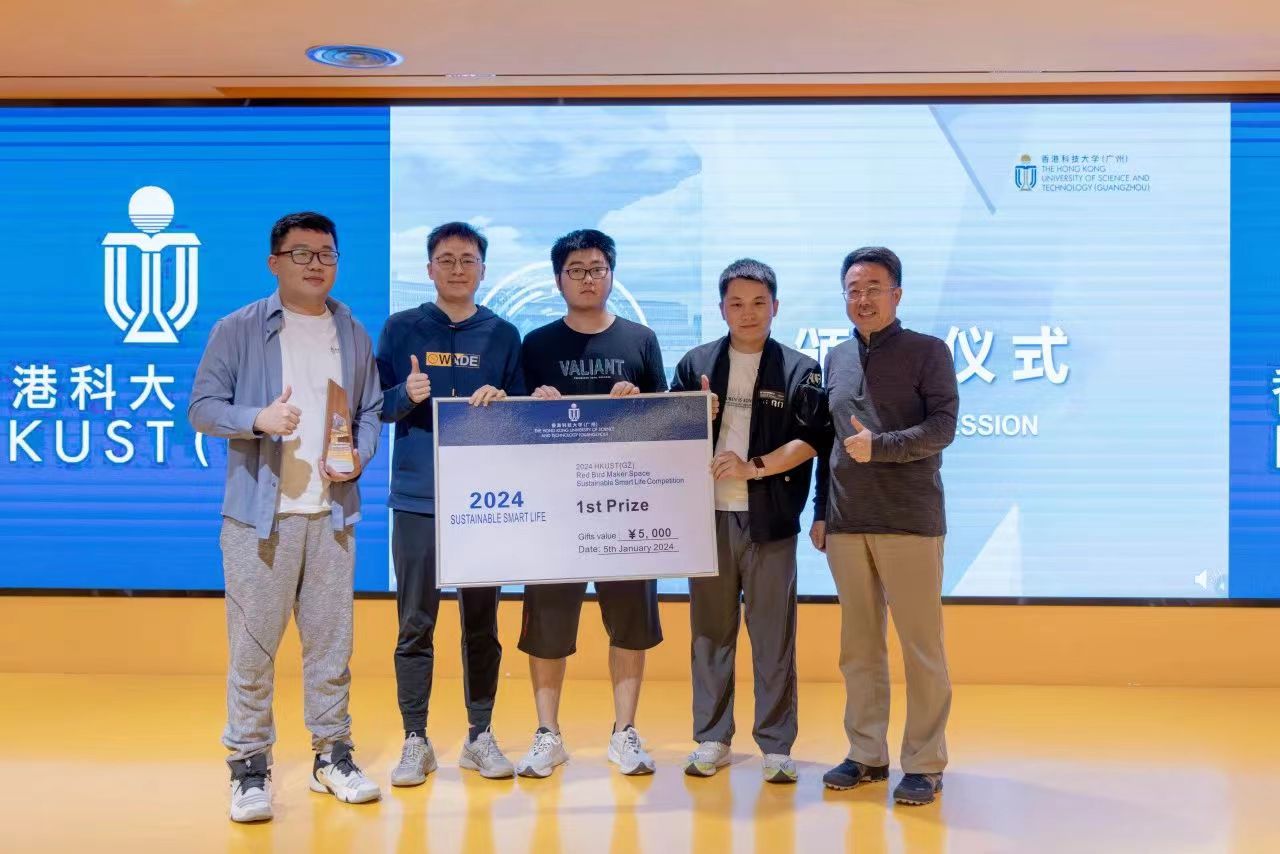
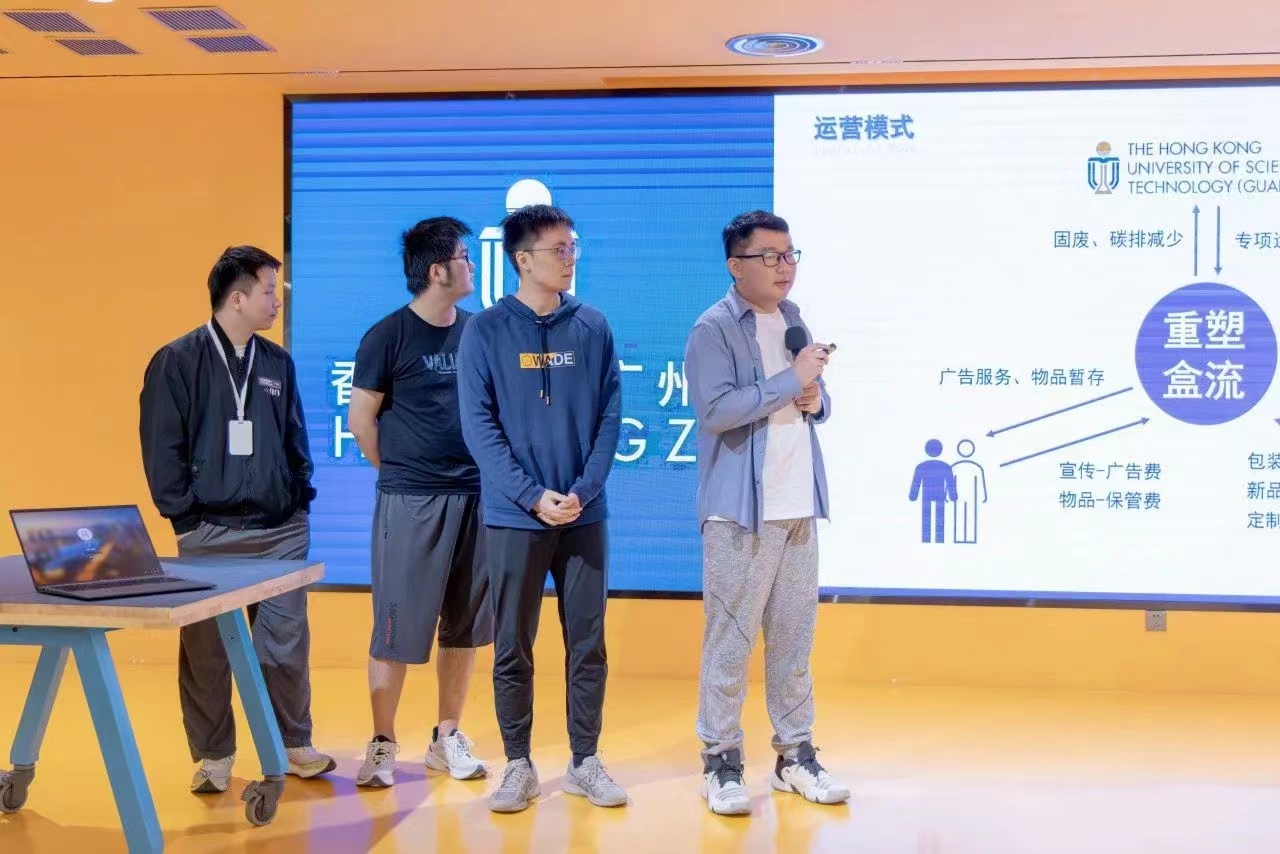
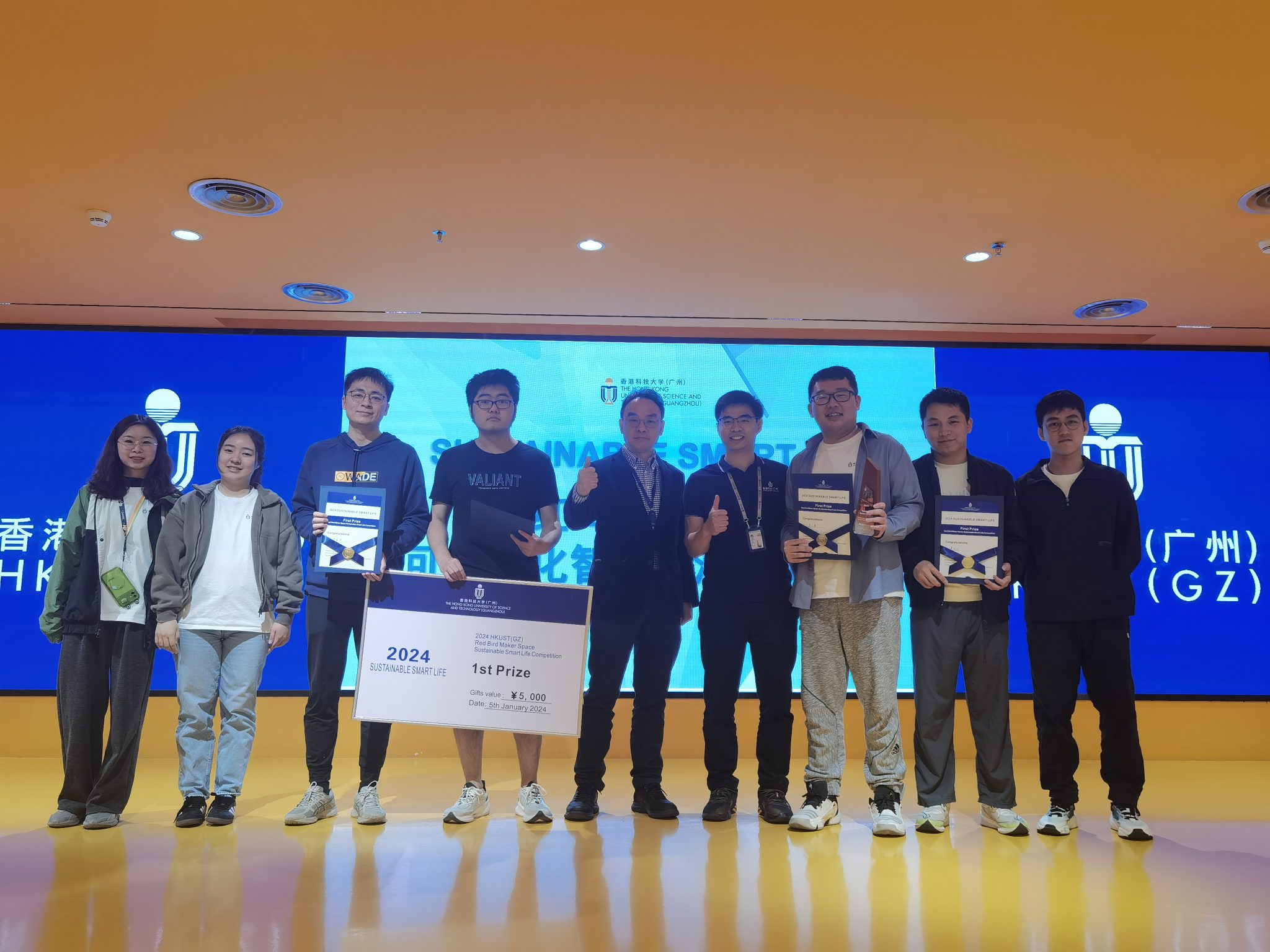
Through preliminary division of labor and field research, the team designed and initially set up a smart packaging management system based on recyclable turnover boxes for the campus food delivery scenario, reducing the use of disposable plastic bags and enabling the circular use of delivery packaging. The project won the first prize in the Campus Sustainable Smart Living Competition and was highly praised by the judges.

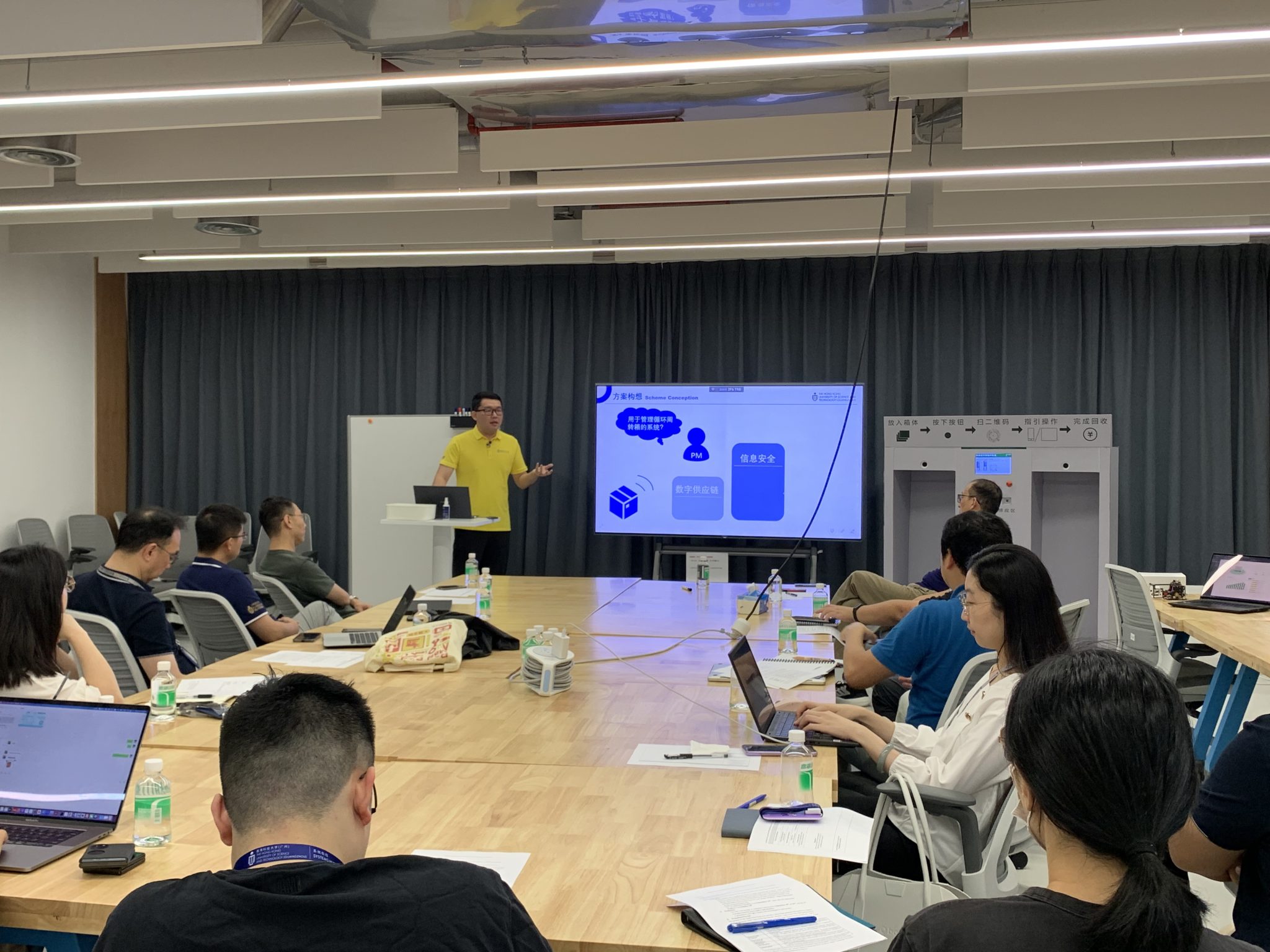
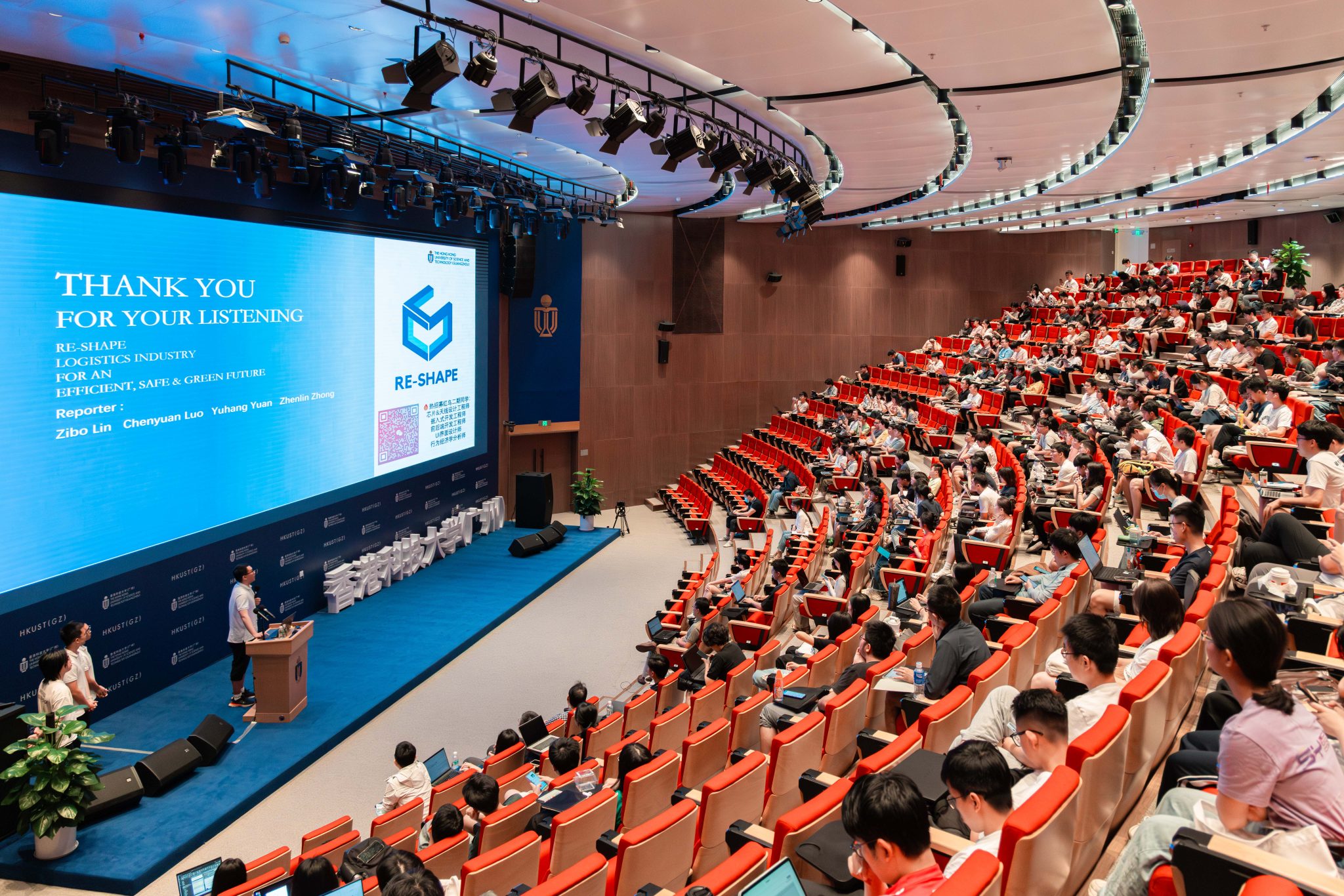
In the various stages of project initiation discussions, field research, plan implementation, and project roadshows, students from different academic backgrounds actively engaged in discussions, generating many sparks of inspiration. Guided by the mentors of the project team and through the concerted efforts of the students, students with a background in business and social sciences have gained a clearer understanding of how to progressively implement a project through technology and design. Students with a background in science and engineering have also learned more about considering the costs of project implementation and the potential for future commercial value in the process.

Messages form the team

Team Leader: Zibo LIN

Against the backdrop of sustainable development, the challenge of achieving economic viability, low carbon footprint, and meeting the public's expectations for enhanced logistics efficiency in packaging is an exciting and enduring research topic. The project-based, interdisciplinary talent development model ensures that every team member is supported throughout their research journey, constantly learning from various disciplines and engaging with diverse perspectives. Two years have passed quickly, and we still carry the dreams we started with and are now taking more resolute steps towards our goals.


12121233

Under construction …

Under construction …

Under construction …

Under construction …