Growing Through Experience——HKUST(GZ) College of Future Technology PIE · NewUU Visit Recap
Meaningful research and innovation seldom emerge from theory alone;
They stem from curiosity about the world,
awareness of real-world challenges,
and a relentless desire to learn.
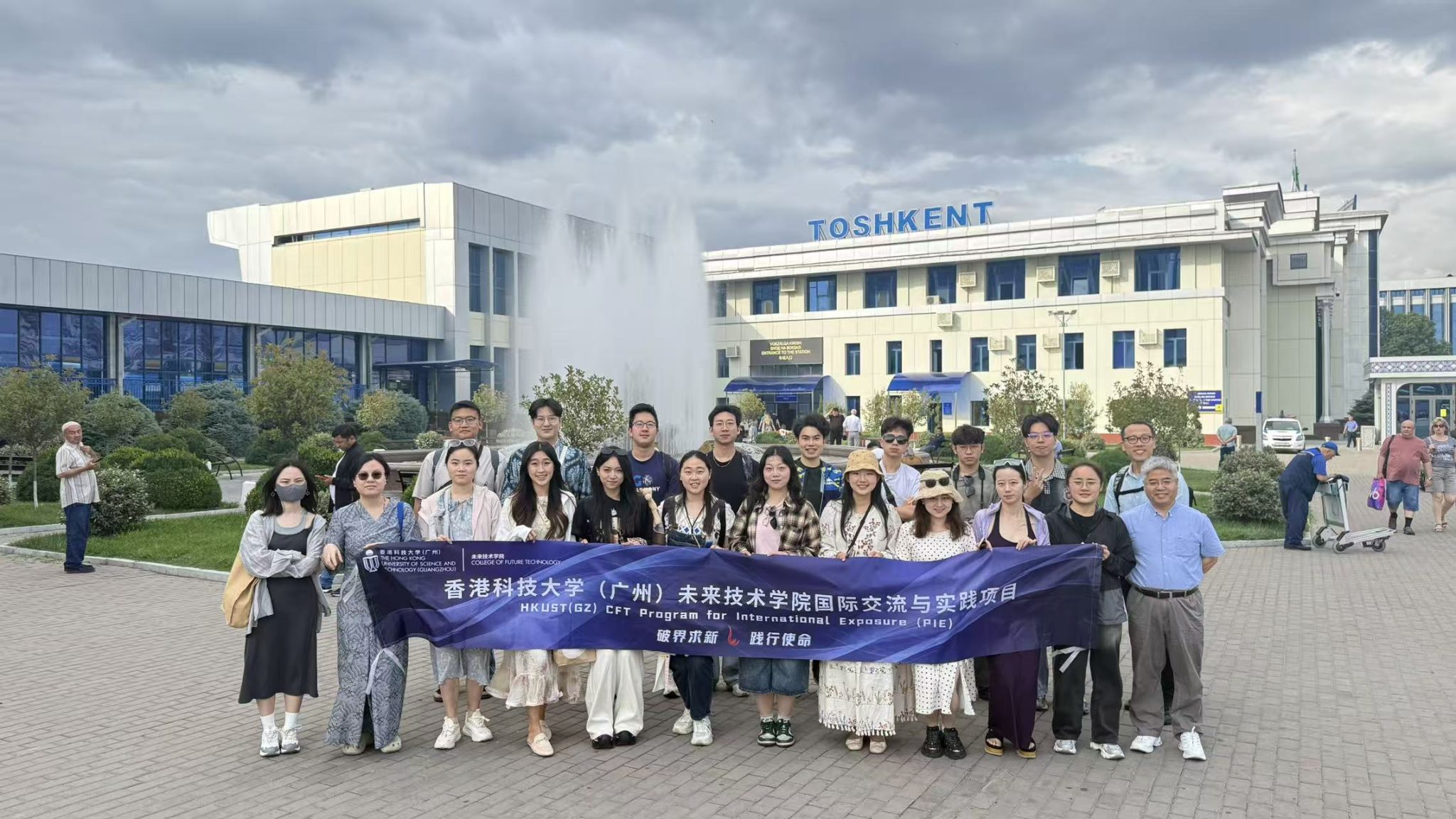
In May 2026, a team of faculty and students from the Red Bird MPhil Program (RBM) at College of Future Technology, HKUST(GZ) traveled over 4,000 kilometers to Uzbekistan, a pivotal hub on the ancient Silk Road.
They brought notebooks, questionnaires, and boundless curiosity with them. Nine days later, they returned with unexpected insights and a wealth of brand-new questions.
This is the Program for International Exposure (PIE).
Part 1 When Data Came Alive Beyond the Screen
After the plane landed and the coach pulled out of the airport, rows of Chevrolet vehicles streamed past the windows. Before the trip, Jiacheng Zhong had found that Chevrolet held nearly 90% market share in Uzbekistan—but this was only data on paper. As he arrived and the data came alive beyond the screen, he had a question: what logic underpins this market phenomenon?
Jixin Yang had conducted extensive pre-trip research on local fintech: Uzum valued at 1.5 billion (USD); digital payment volume tripling in two years… Yet after arriving in Uzbekistan, he spotted a stark gap between statistical records and real-world experience. What surprised him most was the fervent enthusiasm local youth hold for AI and entrepreneurship.
Between data and reality, between expectations and truth—this gap unfolded repeatedly over the nine days, becoming a shared focus for all five teams.
Every student sought their own way to understand the country.

Part 2 The Idea of Cultural Design Project
On a weekend after arrival, the group visited Samarkand. The blue domes left by the Timurid Empire shimmered under the midday sun with an almost surreal glow. Outside Bibi-Khanym Mosque, locals warmly invited students for photos.
"Even without a shared language, we all smiled brightly under the sun." —Yuelin Kuang
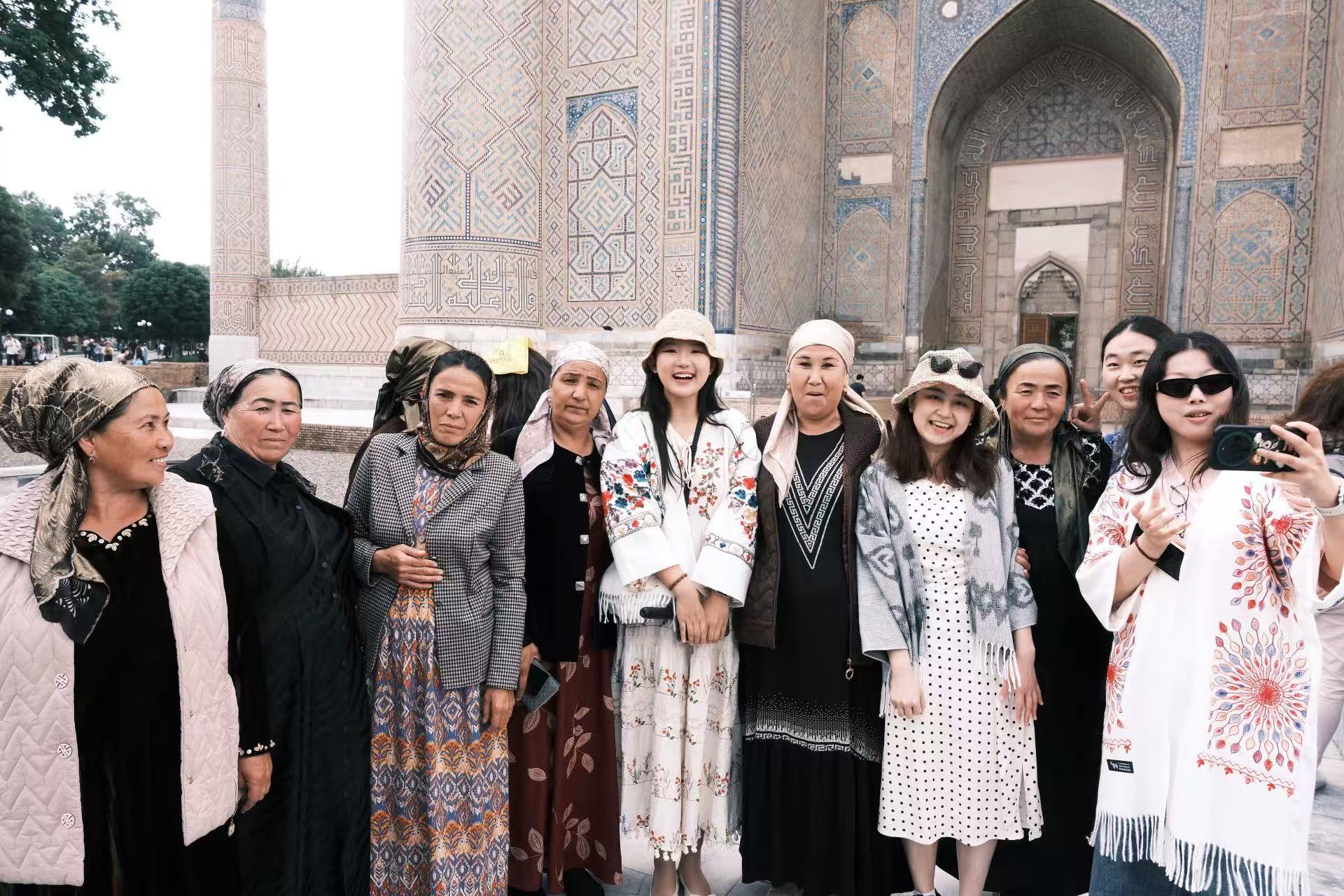
Standing before the historic architecture, Ruyu Jiang and Yuxiao Huang from Group 4 shared the same thought: why are these intricate tile patterns, dome curves and traditional ornaments only confined to postcards and fridge magnets?
This question later evolved into their team’s project, YammyMemory. The solution leverages AI to identify architectural patterns in travel photos, generate 3D printing mold templates, and translate these cultural motifs into edible, mass-producible cultural souvenirs. It allows tourists to take a piece of local culture home and share it with others.
Part 3 Lost Belongings and an Unexpected Project Idea
On the second day of the trip, a small incident reshaped the entire trajectory of Group 2. Before departure, they had decided on "digital banking" and "fintech" as their research topic and finalized their research framework. But after arriving, a new question lingered in their minds: how do people retrieve lost items here?
This question did not emerge out of nowhere. On their way to Samarkand, one team member lost his backpack at the train station, then left his phone in a taxi. "We felt utterly helpless facing information asymmetry and language barriers in a foreign land," said Chenyu Yuan. The team’s joint efforts to recover the lost items became the turning point for their research focus, shifting their attention to the socially meaningful study of lost-and-found mechanisms.
Thus, UzFind was born: a multilingual lost-and-found platform supporting Chinese, English, Russian, and Uzbek language. It connects tourists, residents, volunteers, and official authorities to make lost property reporting and retrieval more credible and efficient.
"A promising project does not have to start with grand-scale problems. Small, tangible real-life issues hold enormous room for improvement." —Ziwei Xu
"This was our first lesson: we must start from real problems, not from technology itself." —Chenyu Yuan
Part 4 Unexpected Discoveries During Company Visits
Local company visits formed a core component of this event. The team toured TexnoPark, UzAuto Powertrain, Safia Bakery, Bayan Medical, TBC Bank, and many other enterprises spanning high-end manufacturing, modern services, bio-medicine, and cutting-edge fintech.
Technical specialists and senior management at the visited company demonstrated outstanding professionalism and global vision. They patiently answered every question from the students and held in-depth discussions about frontline industry trends. This allowed students to grasp the real dynamics of local overseas industries.
Safia Bakery’s visit validated the practical viability of Group 4’s project. It was far more than a handcrafted bakery: it operated a complete system covering raw material management, standardized recipes, sanitation protocols, cold chain logistics, and store distribution.
"Real-world industries are far more complex than textbook case studies."
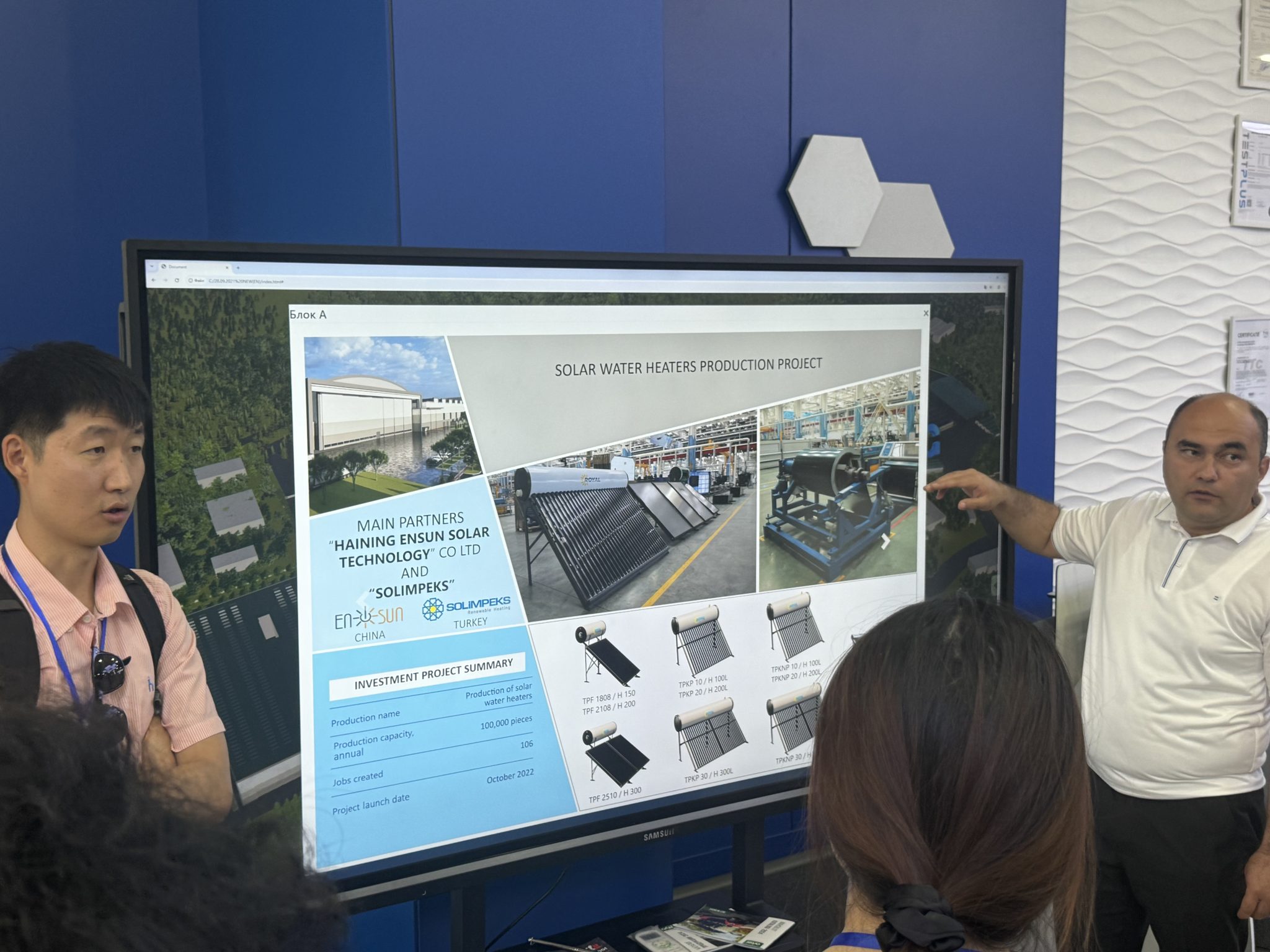
At TBC Bank, Jixin Yang from Group 5 raised a specific question: how do financial institutions conduct risk control for young people with no credit history? The answer made him realize that "quantitative analysis proves applicable to all business contexts."
Fintech had been Jixin Yang’s most anticipated research track before the trip. Yet through field research and corporate dialogues, he came to understand that "research must not be limited to familiar, comfortable research domains; you must understand the local context." His team ultimately changed their project to another field plagued by information asymmetry.
Part 5 Meeting Real People On the Streets
Research did not only take place inside corporate offices. It unfolded at markets, subway stations, park benches, and in casual chats with random passers-by.
Guided by Ozodbek, a volunteer from New Uzbekistan University(NewUU), Group 3 conducted questionnaire surveys in parks near the NewUU campus. "Respondents were overwhelmingly welcoming, making the survey work far smoother than we anticipated." Through conversations with locals, the team developed ChinaLink Education, a platform bridging Chinese and Uzbek education to eliminate information gaps for Uzbek students hoping to study in China.
Group 1 took another approach to explore the city, developing AutoGuide UZ to address information asymmetry within Uzbekistan’s automotive market. To validate their concept, they proactively contacted a local BYD dealership and interviewed sales staff and customers on-site. Kun Yang had the feeling of being an entrepreneur for the first time: identifying a real problem, actively sourcing resources and conducting field research independently.
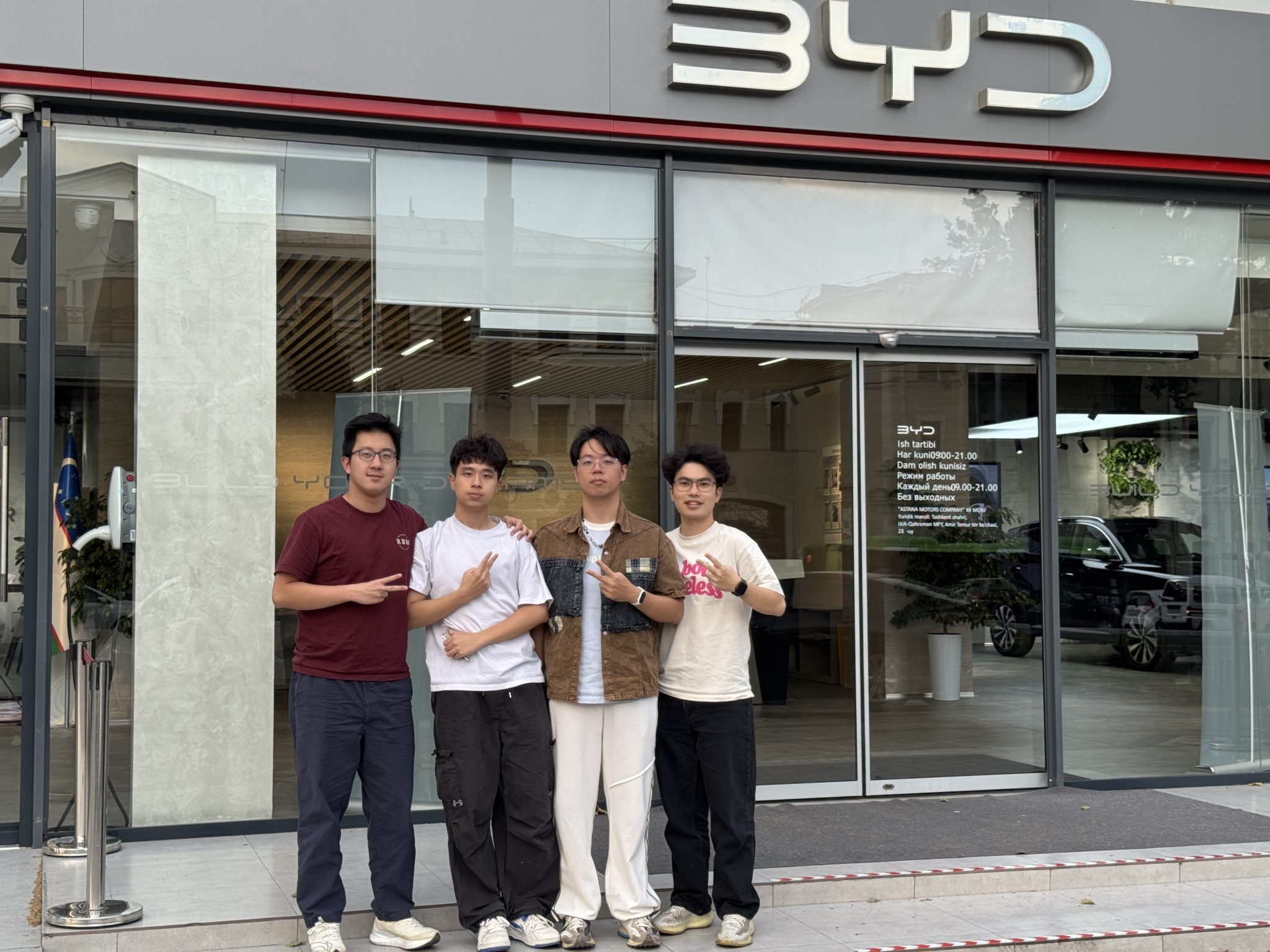
"Learning often takes place from uncertainty. We need interdisciplinary and cross-cultural competence to tackle complex real-world challenges." —Junkai Ling
Part 6 Debates, Divergences, and Finalized Directions
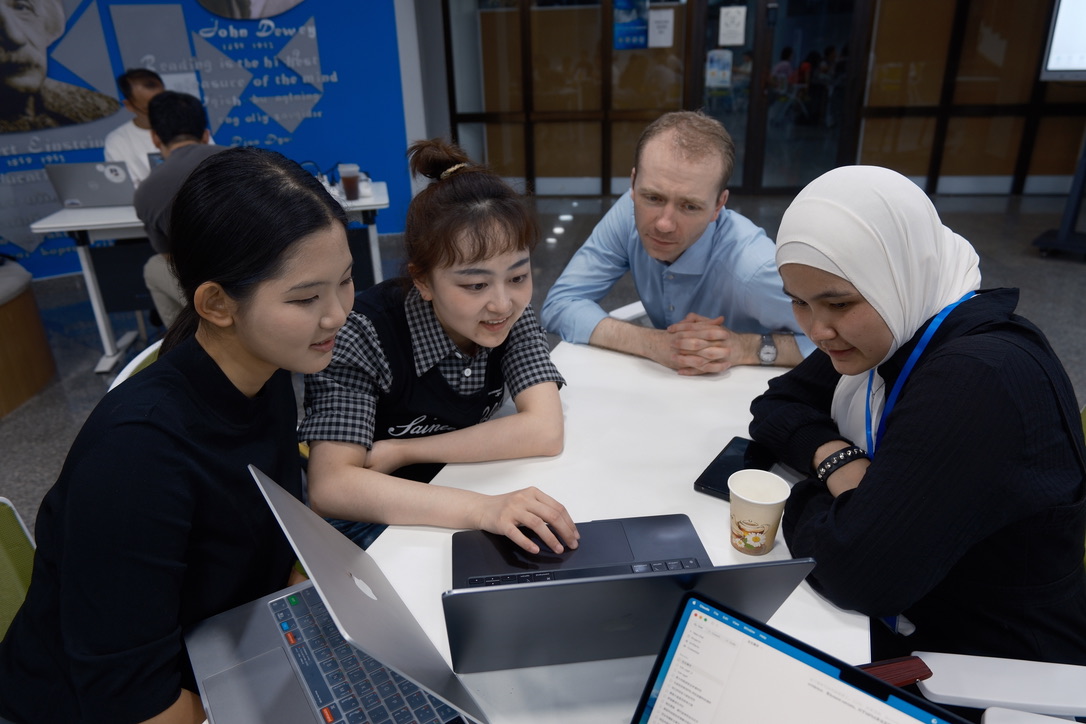
After the students finished company visits and field surveys, PBL (Project-Based Learning) discussions kicked off on the NewUU campus.
Group 5’s final project, Click Tourist Mode, is a travel platform exclusively for foreign visitors exploring the Silk Road in Uzbekistan. This research direction was only finalized after rounds of debate and compromise.
Tingyu Zhu recounted that the team initially held conflicting views on problem definition: some prioritized payment convenience, others focused on elevating the overall tourist experience. "It was chaotic at first, with intense exchanges of differing opinions. But disagreements were not a setback—they helped us break down core problems more clearly, transform vague, abstract ideas into tangible, implementable solutions."
Part 7 The Guiding Questions From Supervising Faculty
A carefully structured framework underpinned the entire program. Lead supervisors Arthur Lin and Li Chen did not assign fixed research topics to students. Instead, they immersed the students in on-site project contexts, guiding them to observe user behaviors and connect field research findings with product design.
The faculty emphasized that "process outweighs final outcomes", encouraging students to pursue in-depth exploration and learning rather than focusing solely on polished presentations.
For Group 4, supervisor feedback marked a critical turning point. "In the early stages, we only focused on creating visually appealing cultural bakery souvenirs featuring architectural motifs," said Beinuo Zhou. "Guided by supervisors, we gradually recognized that a strong project cannot rely merely on creative design—it must respond to real users, market demands, and local cultural contexts." This shift transformed YammyMemory from a visual design concept into a fully-fledged product solution.
When Group 2 proposed to change their project to a lost-and-found platform, supervisors did not push them back to their original agenda. Instead, they asked two questions: Have you interviewed actual end users? Is this pain point widespread enough to warrant a solution? Equipped with these guiding inquiries, the team went to the local streets to validate the feasibility of their idea.
"Supervisors guided us to conduct rigorous real-world research,
rather than merely completing a presentation report." —Jiazhuo Chen
By balancing free exploration with rigorous validation,
all five teams reached their unique research outcomes.
Part 8 New Uzbekistan University: The Warm Heart of This Journey
The program launch ceremony was held at New Uzbekistan University(NewUU) on May 25. Professor Azizbek Avazjonovich Marakhimov, Vice-Rector for International Affairs at NewUU, and Professor Xudong Wang, Dean of the College of Future Technology at HKUST(GZ), delivered opening remarks. Faculty and students from both universities held in-depth conversations on international education, youth talent cultivation, and innovation & entrepreneurship practice, quickly fostering close bonds between the two sides.
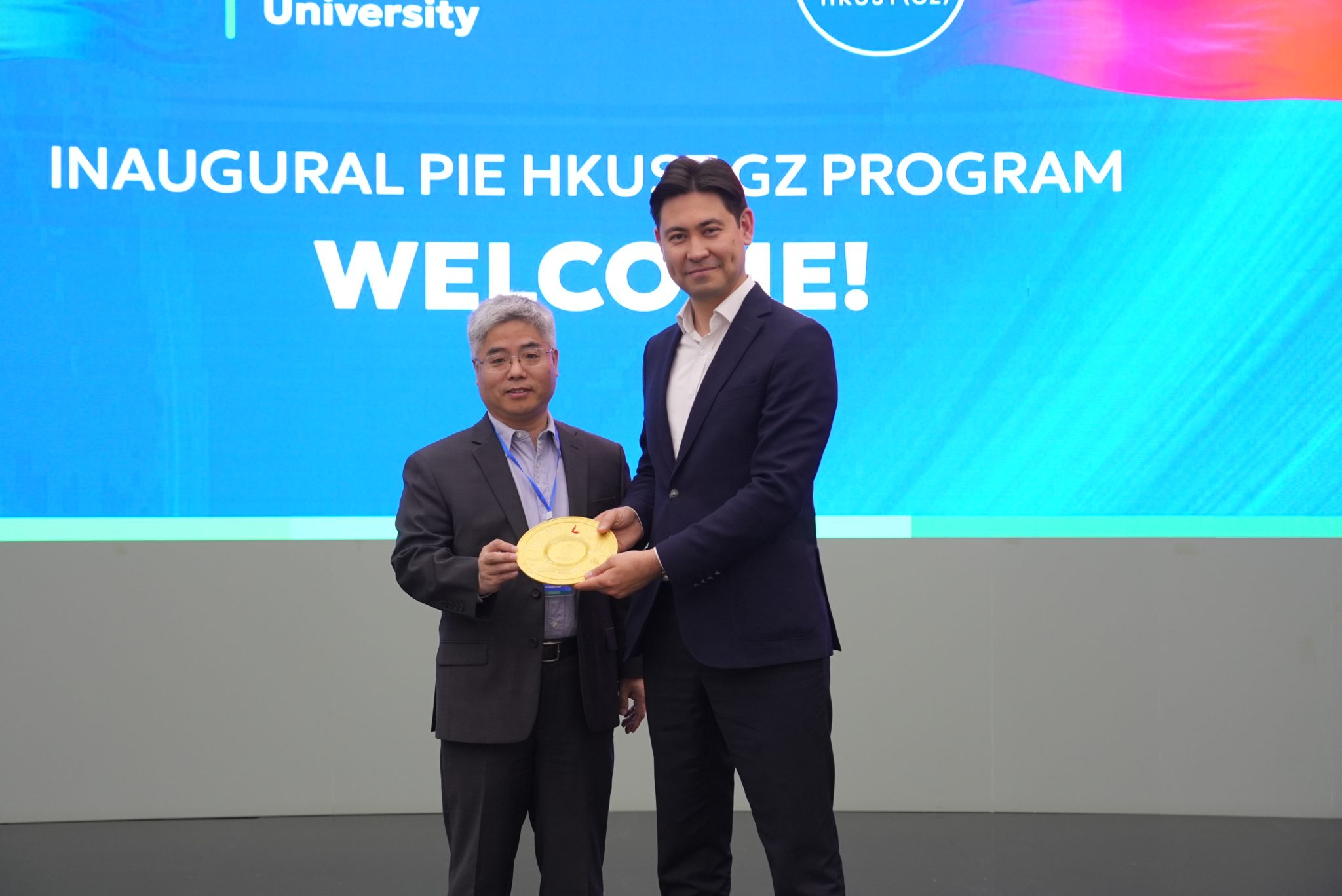
The program’s success would not have been possible without full support from NewUU staff. They coordinated company visits and organized a series of special lectures covering economic development, energy transition, agricultural transformation, and industrial ecosystems. During the Eid al-Adha holiday, NewUU professors gave up their holiday time to deliver lectures.
"These lectures were far more than introductory background material," said Yuxiao Huang. "They helped us move beyond superficial impressions of historic architecture to grasp the country’s potential in agricultural development, industrial transformation, youth education and international collaboration."
NewUU student volunteers accompanied the student teams throughout the program. Ozodbek guided the group to conduct surveys, using his natural rapport with locals to streamline data collection. Sador and Niso provided critical local cultural context, helping RBM students frame survey questions in natural, accessible language. When one of the students fell ill, volunteers stayed by her side to communicate with medical staff and complete administrative procedures.
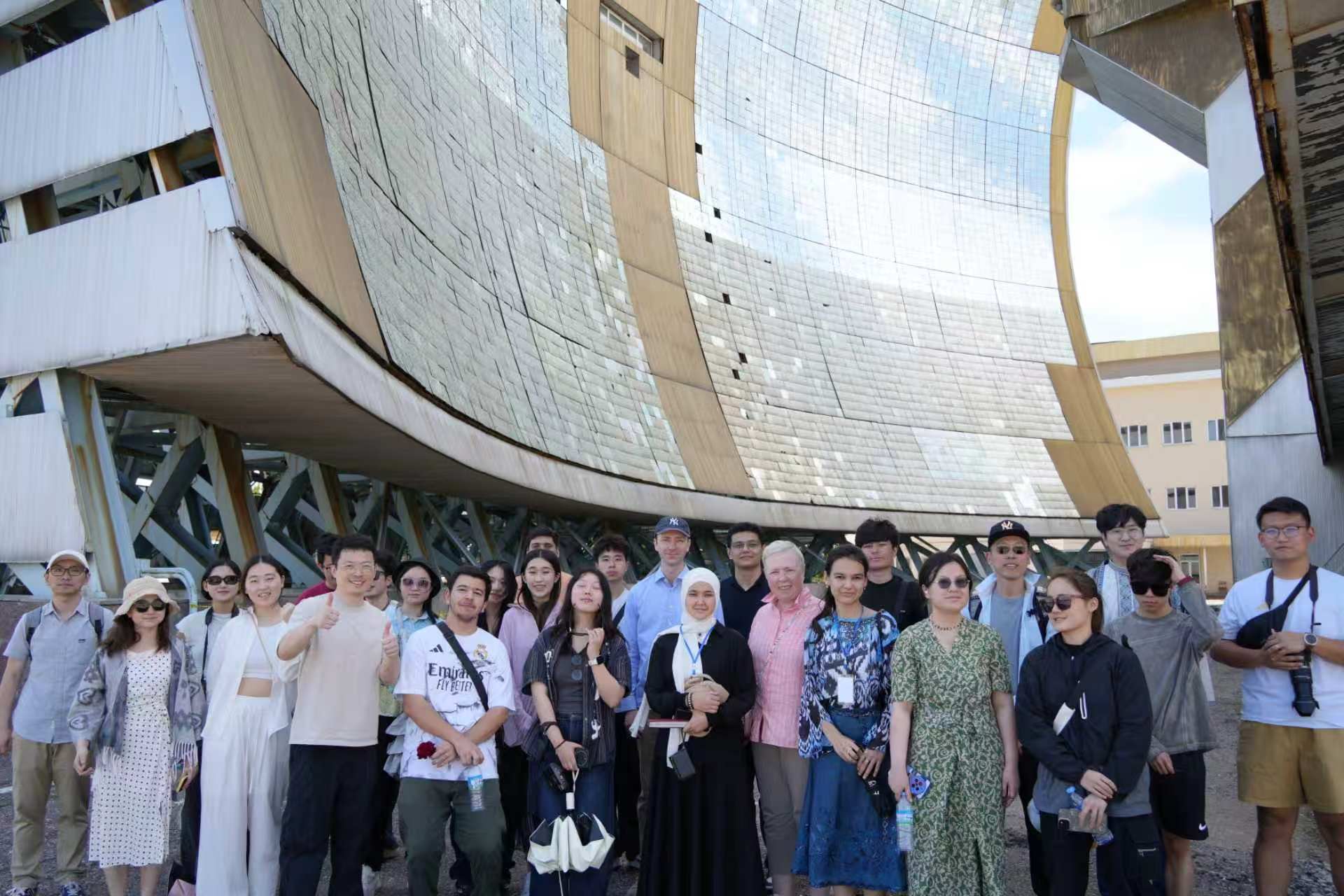
Names including Niso, Sador, Sam and Ozodbek were mentioned repeatedly by every student.
On the closing day of the program, Professor Bahodir Ahmedov, Rector of New Uzbekistan University, delivered a summary speech. He praised the program’s achievements and proposed sustained collaboration between the two institutions.
Beyond research deliverables
Students returned home with cross-cultural friendships forged over the nine days
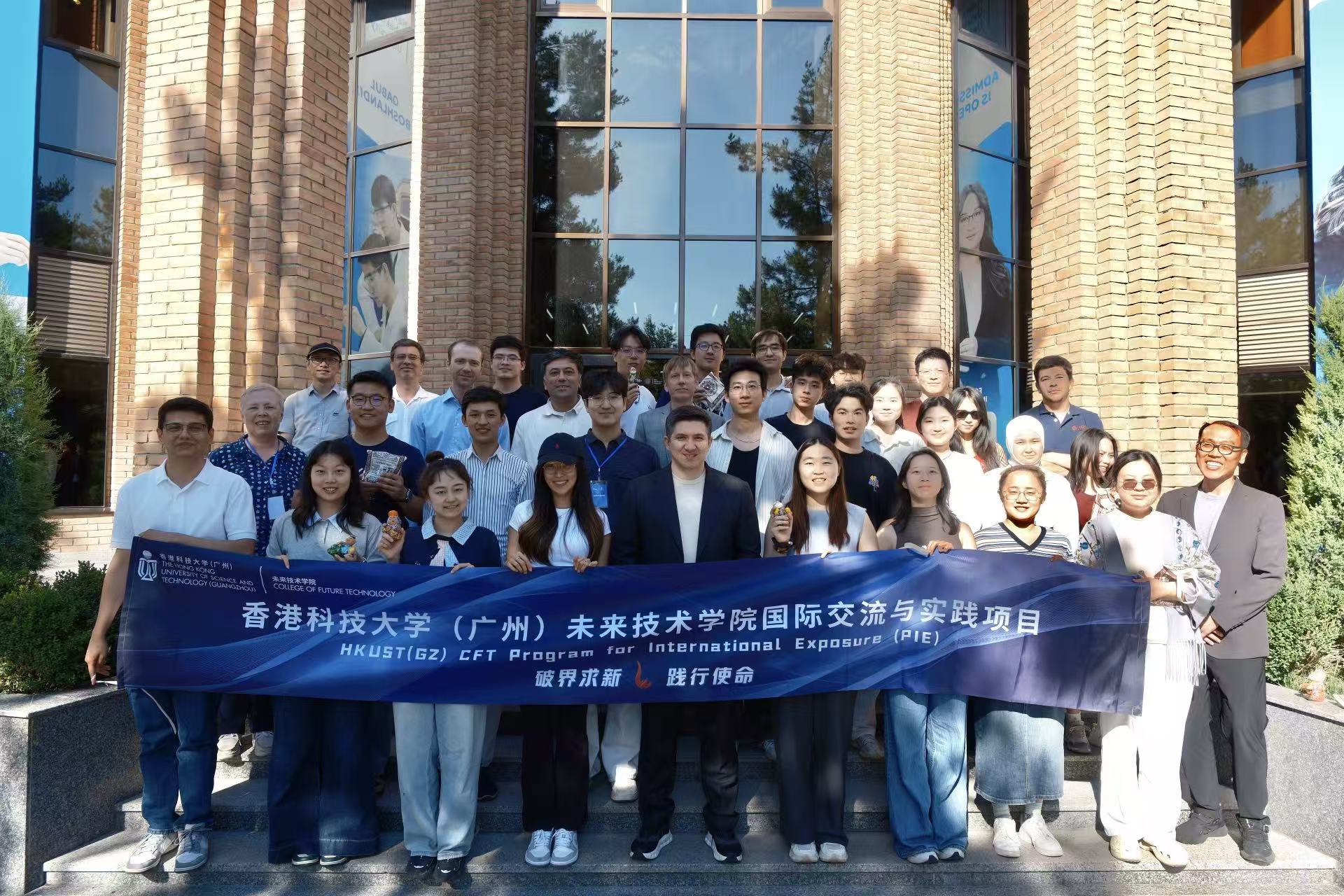
Part 9 Epilogue: Returning With New Questions
The night before the project roadshow, temperatures in Tashkent dropped to a comfortable level. Students from all five teams stayed up late: some proofread questionnaire data, others refined product logic, and the rest polished design drafts.
That night, Jixin Yang chatted with local university students about mobile payment models, explaining WeBank’s operational framework. His conversation partners grew visibly excited: “We need solutions like this here too.”
“In that moment, I knew all our field research had not been in vain.
It enabled me to build genuine connections within an entirely unfamiliar cultural landscape
—and that is the true essence of the PIE:
It is far more than a cultural experience trip.
We arrived with questions,
and we left with brand-new ones.”
—Jixin Yang
May 29 marked the final roadshow day. Students who had wandered Samarkand’s streets, conducted street surveys, and debated late into the night stepped onto the stage to present their refined project prototypes.
(Click to view the introduction of five projects)
AutoGuide UZ – Uzbekistan’s automotive information platform, resolving market information asymmetry (Group 1)
UzFind – Multilingual lost-and-found platform born from real experiences of misplaced personal belongings (Group 2)
ChinaLink Education – Educational exchange platform bridging information barriers for Uzbek students pursuing further education in China (Group 3)
YammyMemory – AI-powered cultural souvenir solution converting travel photos into edible cultural crafts (Group 4)
Click Tourist Mode – All-in-one travel platform delivering seamless Silk Road travel experiences for foreign visitors (Group 5)
“We start with questions, and we came back with new ones.”
This sentiment was echoed across nine days in countless languages,
yet it never felt overstated.
What is Uzbekistan?
It is the dazzling Timurid tilework;
It is street cleaners using GPT translation at subway stations;
It is the eager support of local student volunteers;
It is an immature credit infrastructure still under construction;
It is a rapidly growing land brimming with untapped opportunities.
Uzbekistan is not a single answer—it is a series of more profound questions.
-
Release date
2026年07月08日
-
Topics
News & Media, News, Events